Standard Test Sieve
Stainless Steel Laboratory Test Sieves for Particle Size Analysis
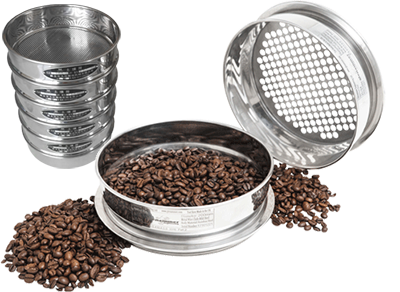
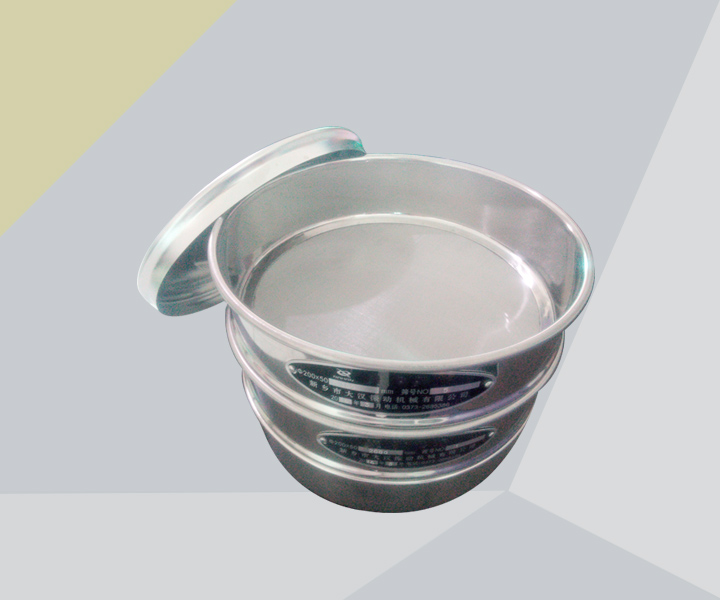
Standard test sieves are laboratory screening tools used to separate and classify particles according to size. They are commonly used for particle size analysis, material classification, and quality control.
Dahan supplies standard test sieves in different diameters, nominal apertures, frame materials, and configurations. Woven wire test sieves can be supplied according to applicable ASTM, ISO, GB/T, and customer specifications.
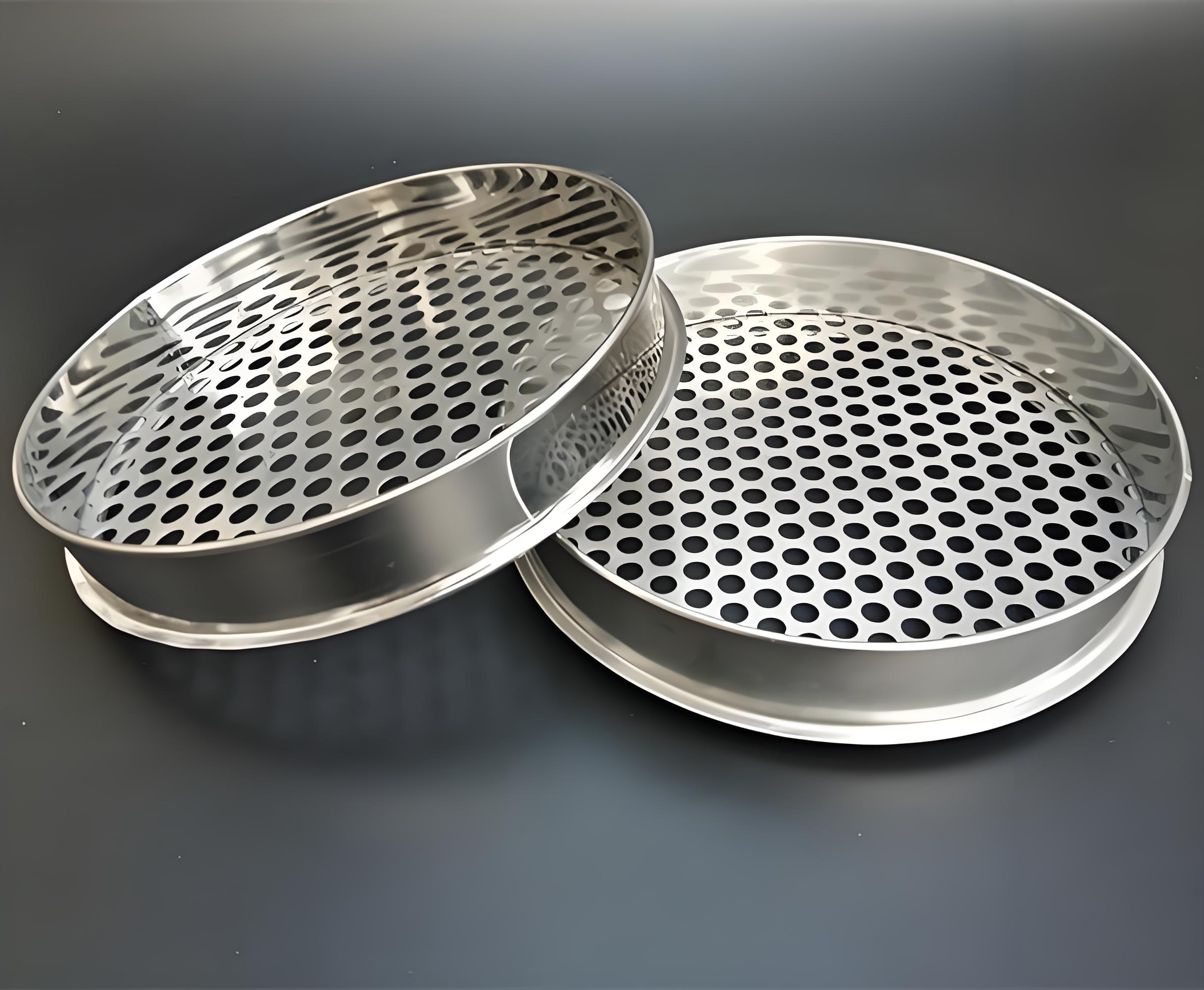
Standard Test Sieve Specifications
| Specification | Available Options |
|---|---|
| Sieve Type | Woven Wire Mesh / Perforated Plate / Electroformed |
| Available Diameter | 75 / 100 / 200 / 300 mm and other sizes upon request |
| Frame Material | Stainless Steel / Brass |
| Nominal Aperture | Standard and selected custom sizes |
| Applicable Standards | ASTM / ISO / GB/T / Customer Specification |
| Main Applications | Particle Size Analysis / Quality Control |
| Accessories | Lid / Receiving Pan / Sieve Shaker Compatibility |
Availability depends on sieve type, aperture, diameter, and customer requirements.
What Is a Standard Test Sieve?
A standard test sieve is a laboratory device used to separate particles according to size through a defined screening surface.
During sieve analysis, a sample is placed on one or more sieves with different apertures. Larger particles are retained while smaller particles pass through. The retained material can then be weighed to determine the particle size distribution.
The appropriate sieve should be selected according to the required aperture, sieve diameter, material, applicable standard, and testing method.
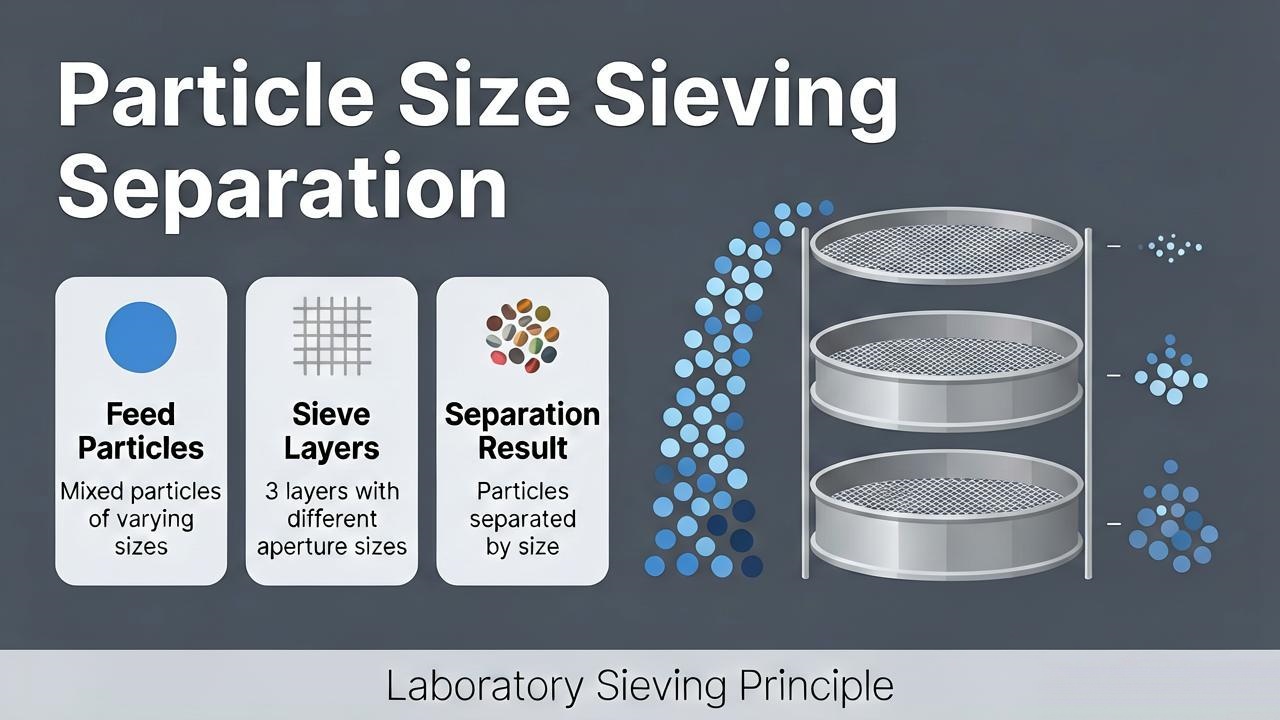
Standard Test Sieve Sizes and Apertures
The nominal aperture identifies the specified size of the sieve opening. Sieve numbers and other designations are commonly used to identify standard sieve sizes, but the required aperture should be confirmed against the applicable standard or test method.
Mesh number and nominal aperture are related but should not be treated as interchangeable terms; the nominal aperture should be confirmed against the applicable sieve standard when selecting a test sieve.
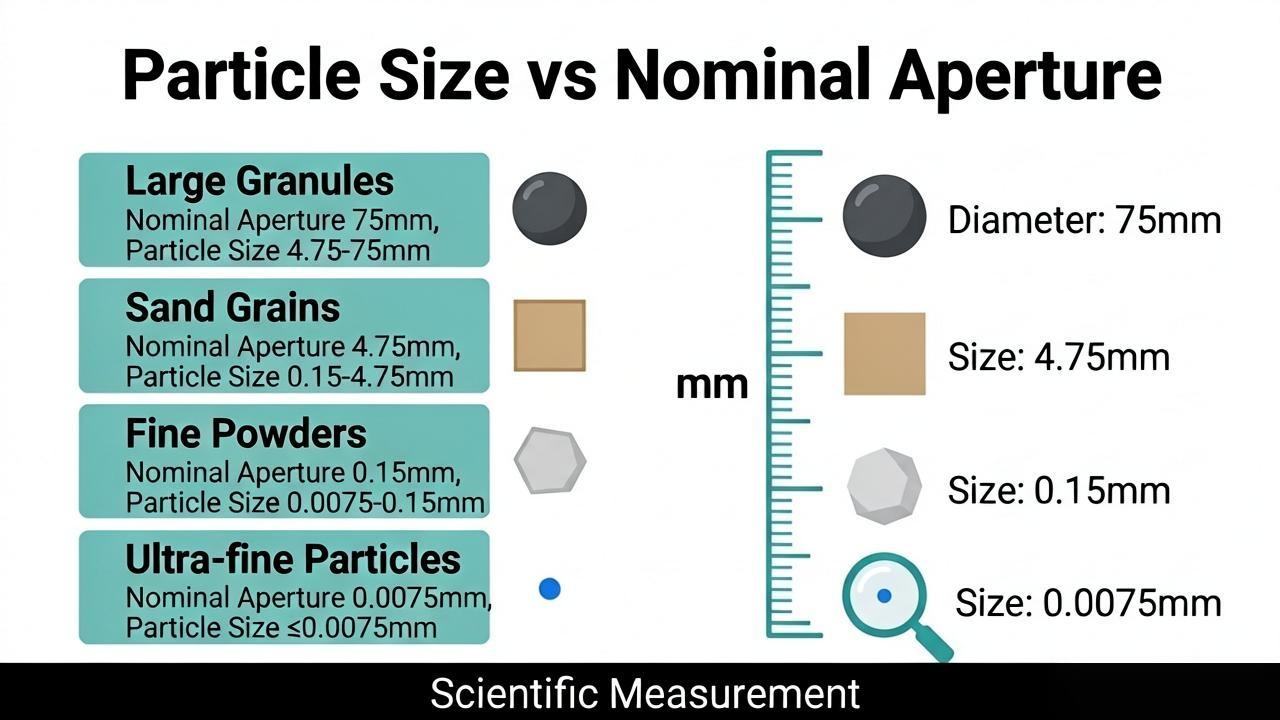
Common Test Sieve Sizes
| US Sieve No. | Nominal Aperture |
|---|---|
| No. 4 | 4.75 mm |
| No. 8 | 2.36 mm |
| No. 10 | 2.00 mm |
| No. 16 | 1.18 mm |
| No. 20 | 850 μm |
| No. 30 | 600 μm |
| No. 40 | 425 μm |
| No. 50 | 300 μm |
| No. 60 | 250 μm |
| No. 100 | 150 μm |
| No. 200 | 75 μm |
| No. 325 | 45 μm |
For a more complete sieve size reference, see our ASTM E11 Test Sieve guide.
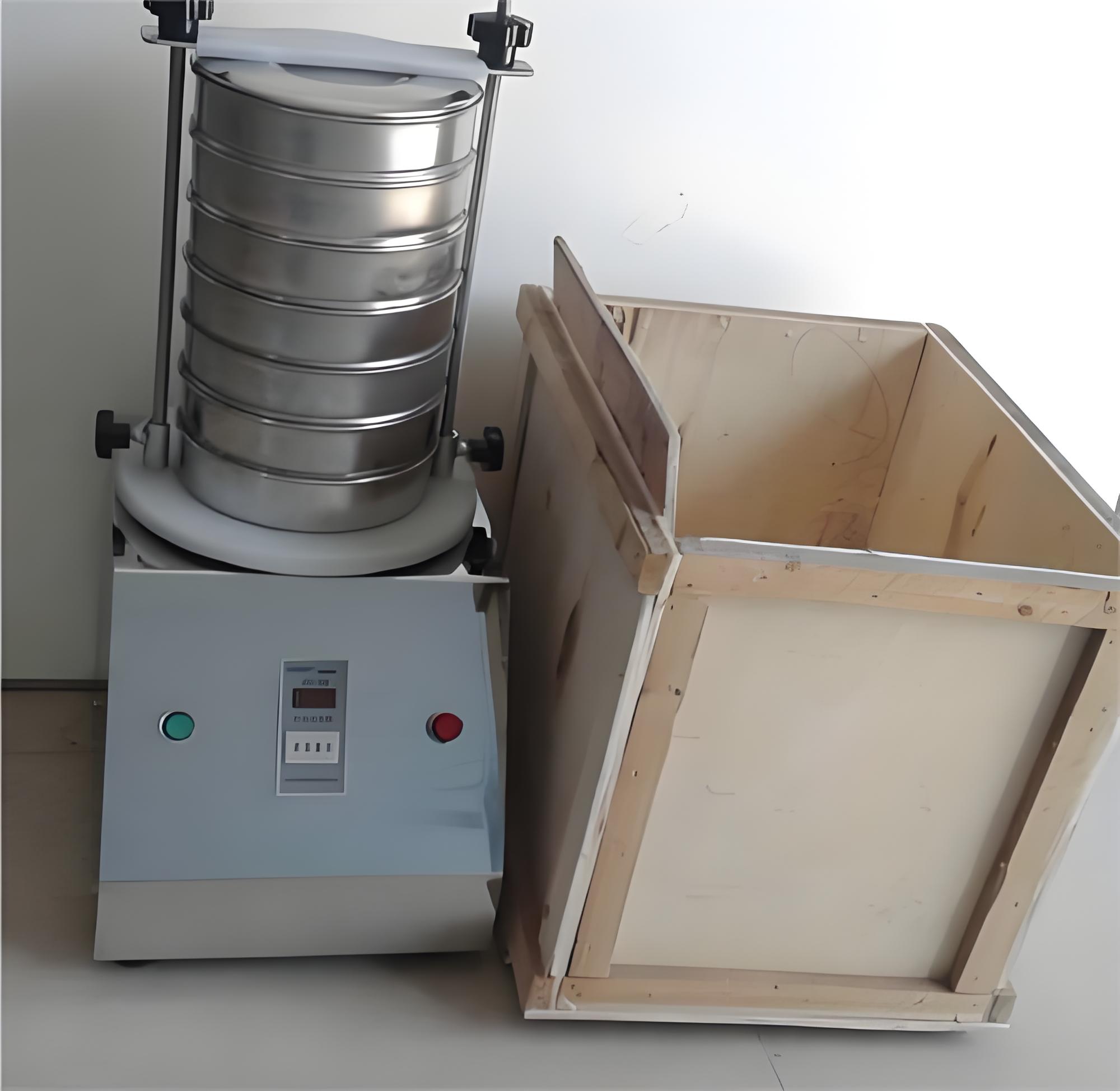
ASTM E11 Test Sieve
ASTM E11-24 is the ASTM specification for woven wire test sieve cloth and test sieves. It specifies requirements for sieve cloth, test sieve construction, standard and non-standard frame sizes, and procedures used to inspect sieve cloth and test sieves. Its scope covers woven wire test sieve cloth with nominal apertures from 125 mm down to 20 μm.
ASTM E11-24 also specifies different inspection confidence levels for Compliance, Inspection, and Calibration test sieves.
Common ASTM E11 Sieve Designations
| Sieve Designation | Nominal Aperture |
|---|---|
| No. 4 | 4.75 mm |
| No. 10 | 2.00 mm |
| No. 20 | 850 μm |
| No. 40 | 425 μm |
| No. 60 | 250 μm |
| No. 100 | 150 μm |
| No. 200 | 75 μm |
| No. 325 | 45 μm |
| No. 635 | 20 μm |
This is a selection of commonly used sizes, not the complete ASTM E11 series.
For more information, see our ASTM E11 Test Sieve Standard guide.
Standard Test Sieve Types
Woven wire mesh test sieves are commonly used for laboratory particle size analysis and are the primary sieve type addressed by ASTM E11-24.
| Sieve Type | Typical Use | Relevant Standard Consideration |
|---|---|---|
| Woven Wire Mesh | General particle size analysis | ASTM E11-24 and applicable test method |
| Perforated Plate | Coarse materials and rigid openings | ASTM E323 where applicable |
| Electroformed | Fine and precision screening applications | ASTM E161 where applicable |
ASTM E11-24 specifically addresses woven wire test sieve cloth and test sieves. Perforated-plate and electroformed sieve requirements are covered by separate ASTM standards where applicable.
Test Sieve Diameters and Materials
Sieve diameter affects the available screening area, sample handling, and compatibility with a sieve shaker.
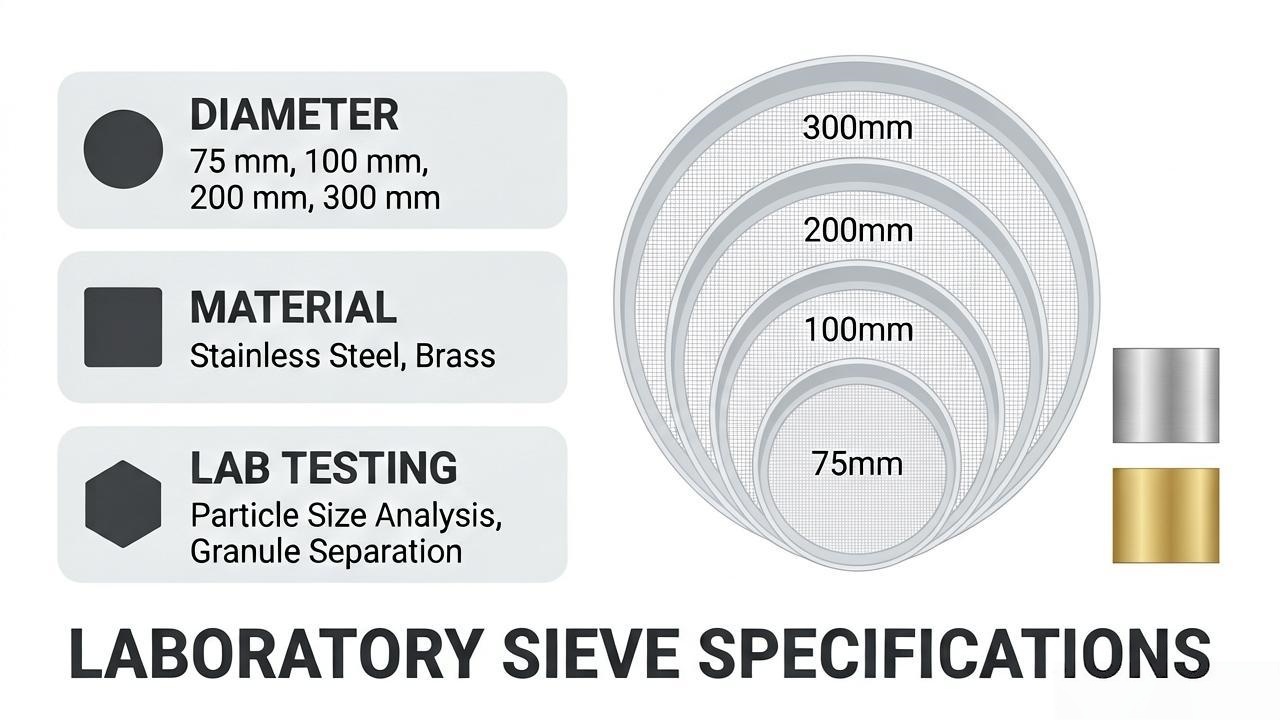
| Sieve Diameter | Typical Application |
|---|---|
| 75 mm | Small laboratory samples |
| 100 mm | Compact laboratory testing |
| 200 mm | Routine laboratory analysis |
| 300 mm | Applications requiring greater screening area |
Frame Material
| Material | Main Characteristics |
|---|---|
| Stainless Steel | Corrosion resistance, durability, easy cleaning |
| Brass | Suitable for selected laboratory applications |
| Other Materials | Available for specific requirements |
The required diameter and material should be selected according to the test method, sample characteristics, and sieve shaker configuration.
ASTM, ISO and Other Test Sieve Standards
The applicable standard should be confirmed before ordering because sieve construction, apertures, tolerances, and inspection requirements may differ between standards.
| Standard | Main Scope | Typical Application |
|---|---|---|
| ASTM E11-24 | Woven wire test sieve cloth and test sieves | ASTM particle size testing |
| ISO 3310 series | Test sieves for particle size analysis | International testing |
| Applicable GB/T Standard | Chinese test sieve requirements | China-based testing |
| Customer Specification | Special dimensional or testing requirements | Customized applications |
For ASTM applications, specify ASTM E11-24 when a woven wire test sieve is required to meet this specification.
How to Choose a Standard Test Sieve?
Do not select a sieve based on mesh number alone. Consider the complete testing requirement.
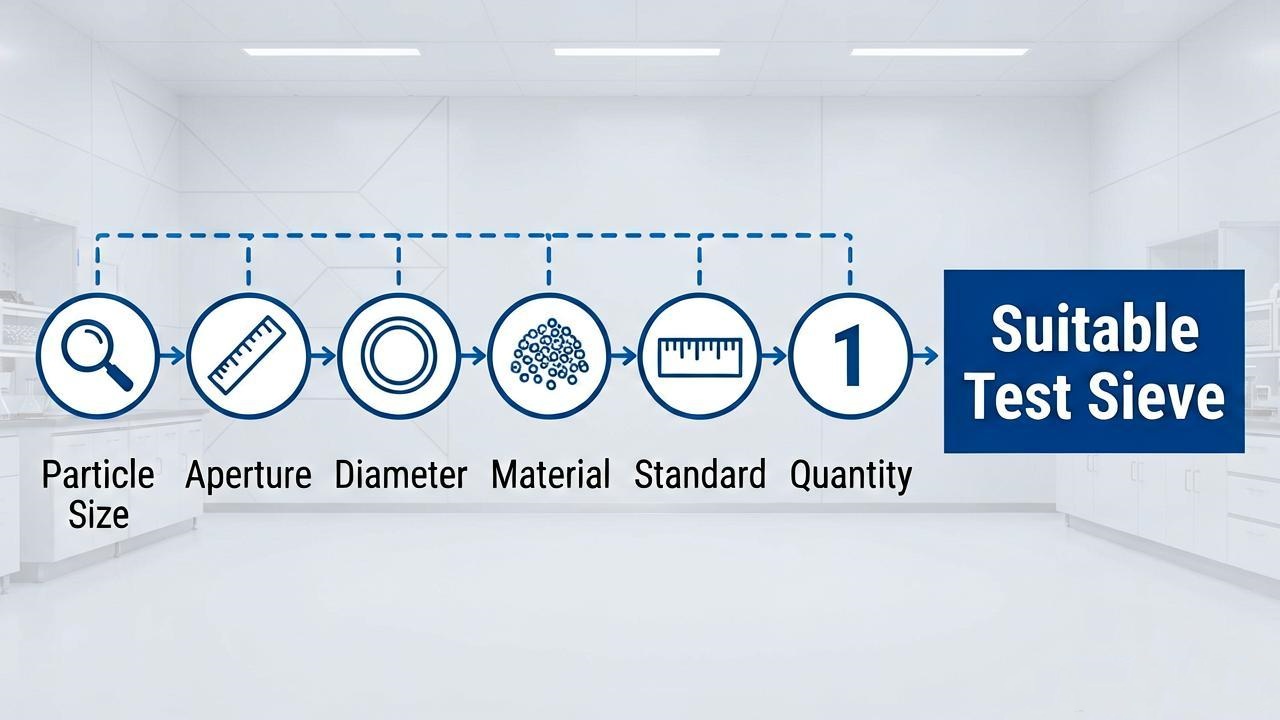
| Customer Requirement | Selection Consideration |
|---|---|
| Particle size analysis | Select nominal aperture according to the test method |
| Coarse particles | Larger aperture and suitable sieve diameter |
| Fine powders | Fine aperture and suitable sieve shaker |
| Corrosive materials | Stainless steel construction |
| ASTM testing | ASTM E11 woven wire test sieve |
| ISO testing | Sieve meeting the applicable ISO specification |
| Larger sample quantity | Consider a larger screening area |
| Existing sieve shaker | Match sieve diameter and frame design |
| Mesh blockage | Consider an ultrasonic deblinding system |
Detailed Selection Guide
Choose the Aperture
Select the nominal aperture according to the required particle size range and applicable test method.
Choose the Diameter
Choose the sieve diameter according to sample quantity, required screening area, and sieve shaker compatibility.
Choose the Material
Stainless steel is commonly selected when corrosion resistance, durability, and easy cleaning are important. Brass may be suitable for applications where it is permitted or specified.
Standard Test Sieve Applications
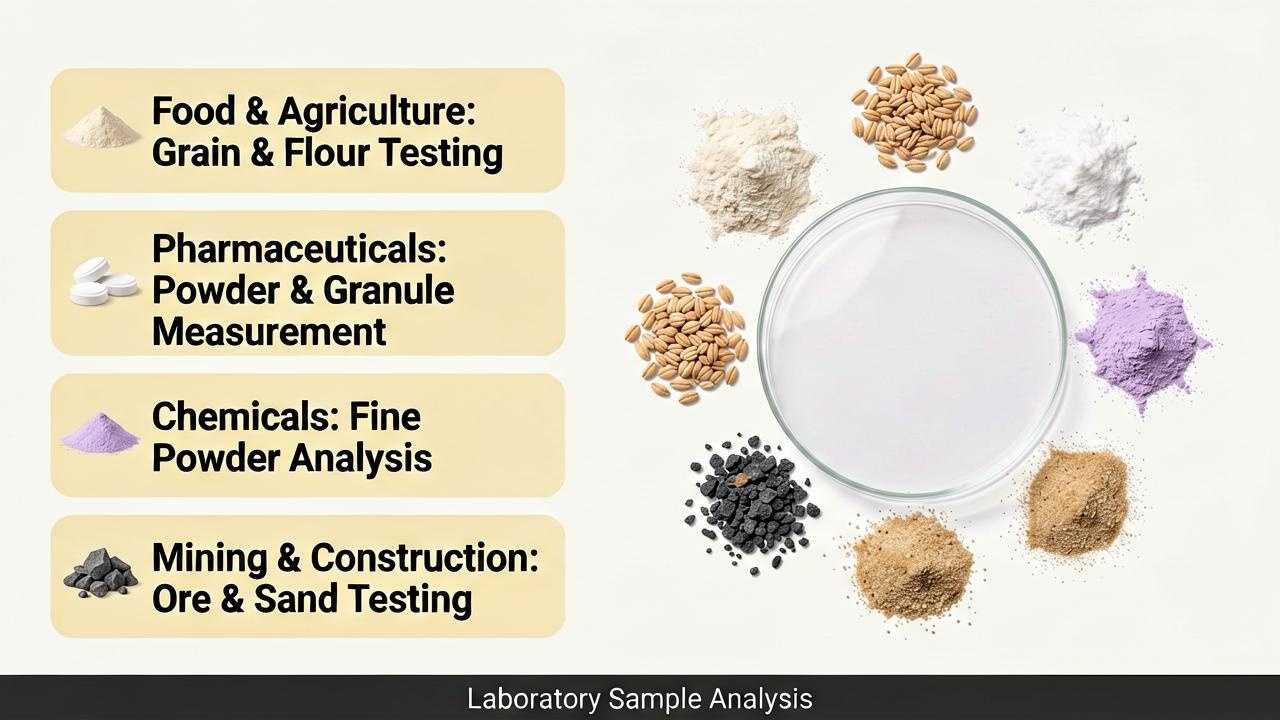
| Industry | Typical Materials |
|---|---|
| Food & Agriculture | Flour, grain, starch, salt |
| Pharmaceutical | Powders and granules |
| Chemical | Powders, pigments, fertilizers |
| Mining & Minerals | Ore and mineral particles |
| Construction | Sand and aggregates |
| Laboratory Research | Various particulate materials |
Standard test sieves are used for particle size analysis, material classification, and laboratory quality control.
Standard Test Sieve Quality Control
The accuracy of sieve analysis depends partly on the condition and dimensional accuracy of the sieve.
| Inspection Item | What to Check |
|---|---|
| Aperture | Opening size meets the specified requirement |
| Wire Diameter | Conforms to the applicable specification |
| Mesh Condition | No broken or significantly deformed wires |
| Mesh Attachment | Securely mounted without excessive distortion |
| Frame | Correct size and suitable rigidity |
| Identification | Sieve designation and aperture clearly marked |
ASTM E11-24 includes inspection requirements and distinguishes Compliance, Inspection, and Calibration test sieve levels.
For applications requiring a specific inspection or calibration level, the requirement should be stated when ordering.
Standard Test Sieve and Sieve Shaker
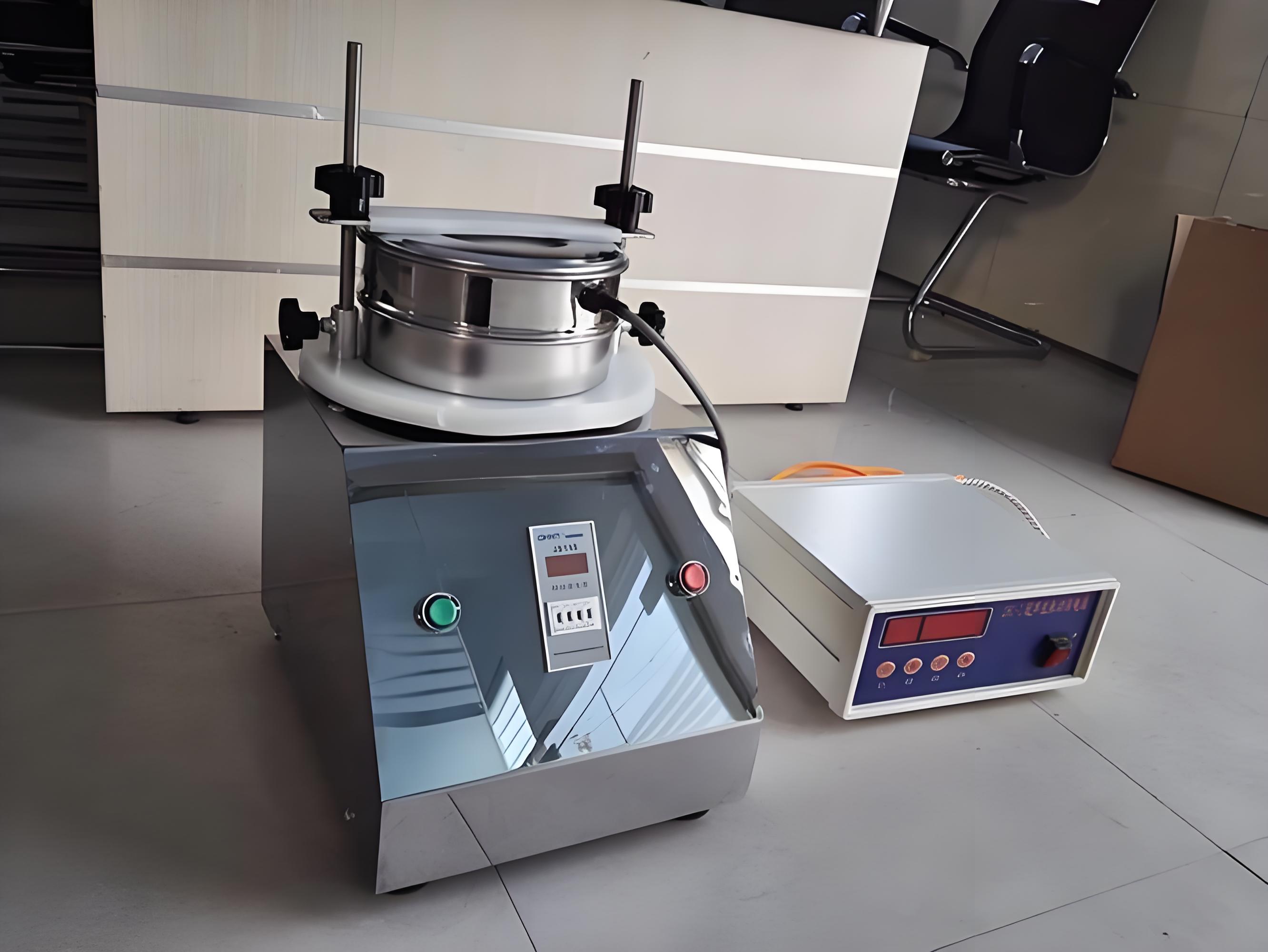
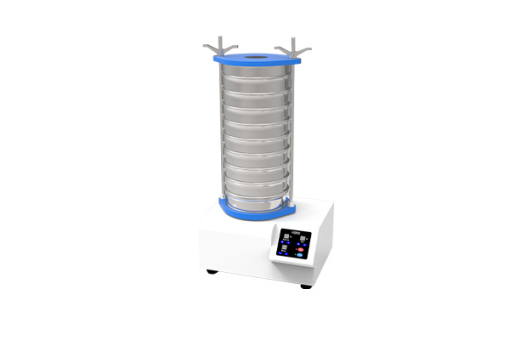
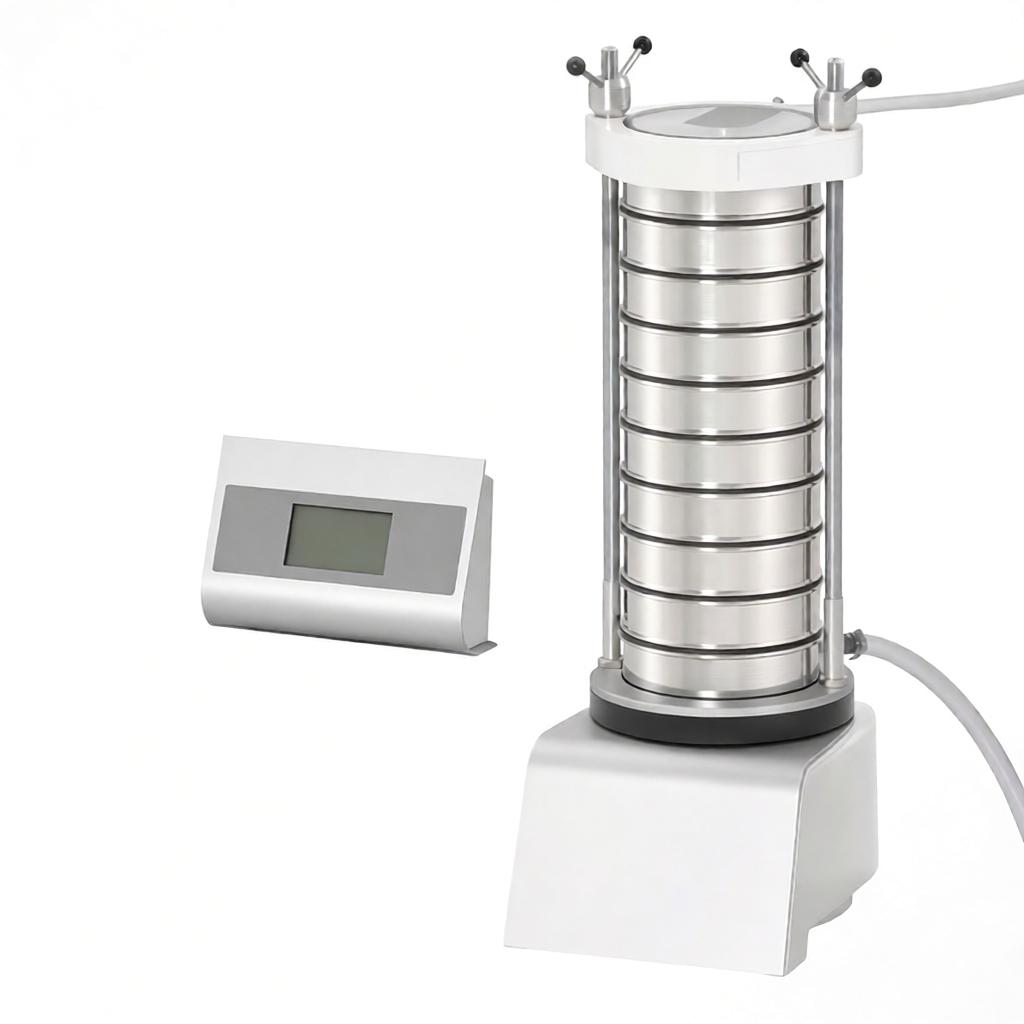
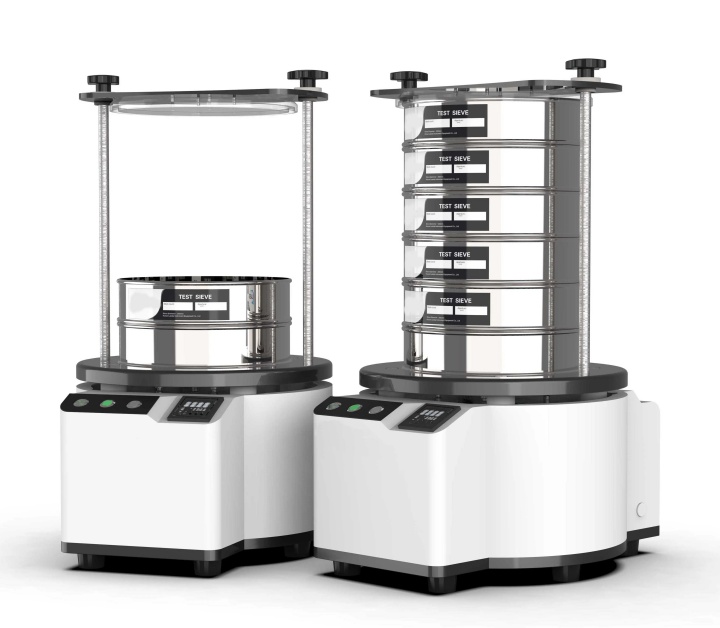
Standard test sieves are commonly used with laboratory sieve shakers for particle size analysis.
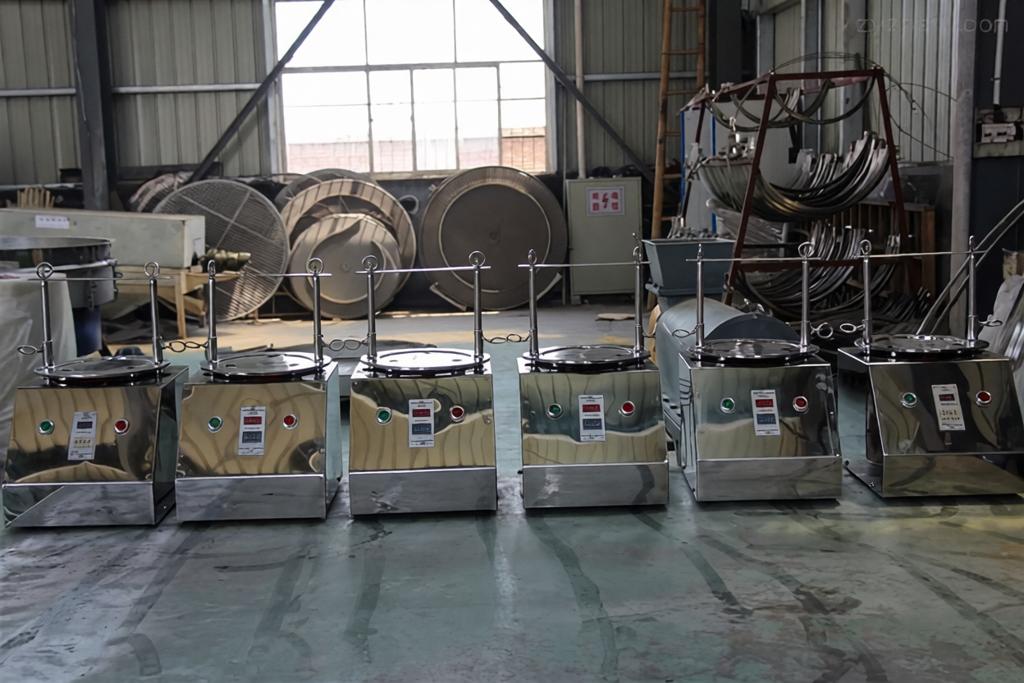
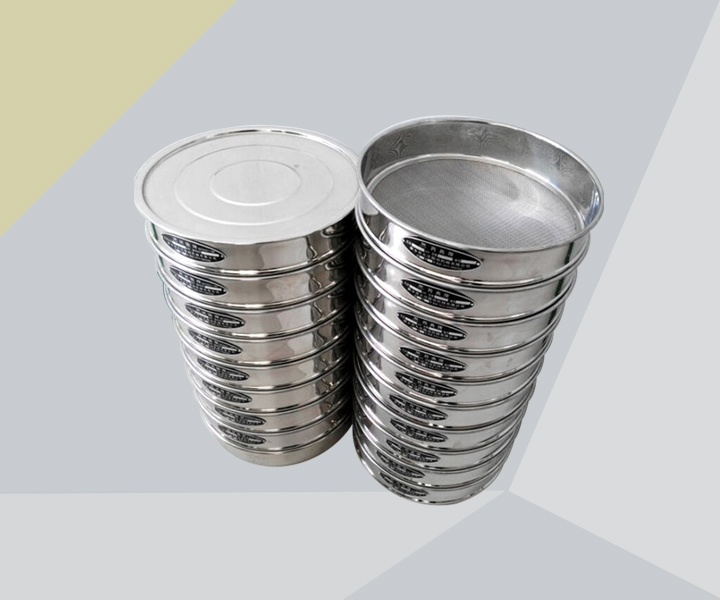
A typical sieve stack places larger apertures above smaller apertures, followed by a receiving pan. The shaker applies controlled motion to help particles pass through the appropriate openings.
For fine powders that tend to block the mesh, an ultrasonic sieve shaker or ultrasonic deblinding system may help reduce mesh blockage.
What Information Should You Provide When Ordering?
| Required Information | Example |
|---|---|
| Sieve Diameter | 200 mm |
| Nominal Aperture | 75 μm |
| Sieve Designation | No. 200 |
| Sieve Type | Woven Wire |
| Frame Material | Stainless Steel |
| Applicable Standard | ASTM E11-24 |
| Quantity | 10 pcs |
Providing the diameter, nominal aperture, material, applicable standard, and quantity helps match the sieve configuration to the intended application.
Frequently Asked Questions
What is a standard test sieve?
A standard test sieve is a laboratory device used to separate particles according to size through a defined screening surface.
What are standard test sieve sizes?
Standard test sieves are available with different nominal apertures and frame diameters. ASTM E11-24 covers woven wire test sieve cloth with nominal apertures from 125 mm to 20 μm.
What is the difference between mesh and aperture?
Aperture is the specified size of an individual sieve opening. Sieve designations and mesh terminology are used to identify sieve sizes, but the required aperture should be confirmed against the applicable standard or test method.
What is ASTM E11-24?
ASTM E11-24 is the ASTM specification for woven wire test sieve cloth and test sieves. It covers sieve cloth requirements, test sieve construction, frame sizes, and inspection procedures.
How do I choose the right test sieve?
Choose the sieve according to the required aperture, diameter, material, applicable standard, sample quantity, and testing method.