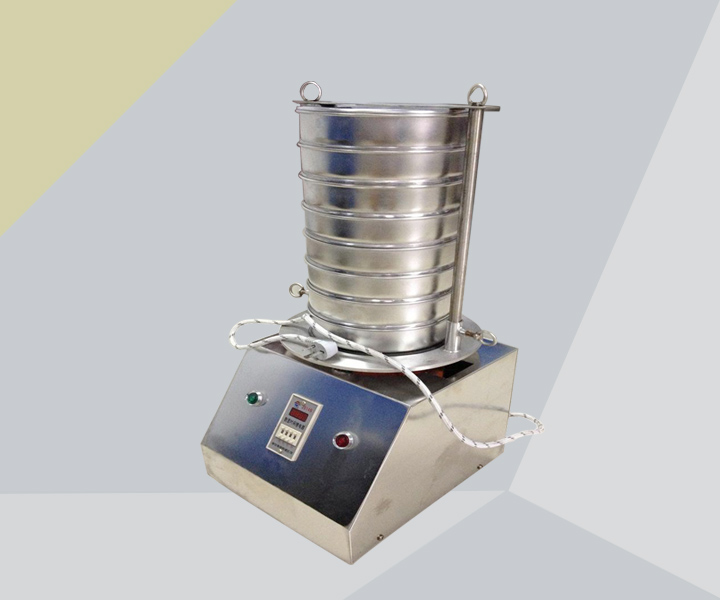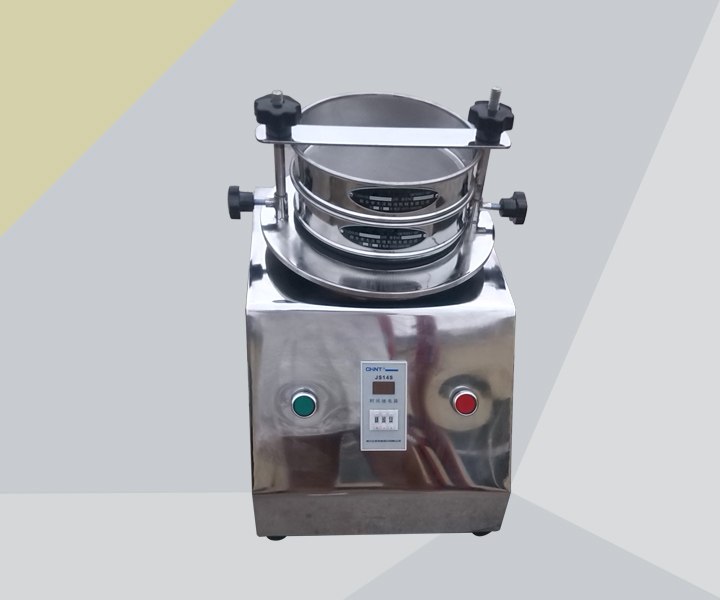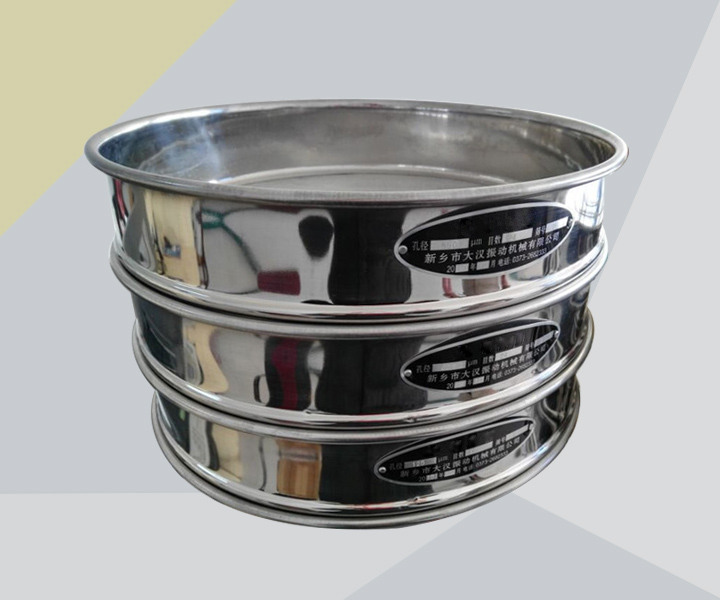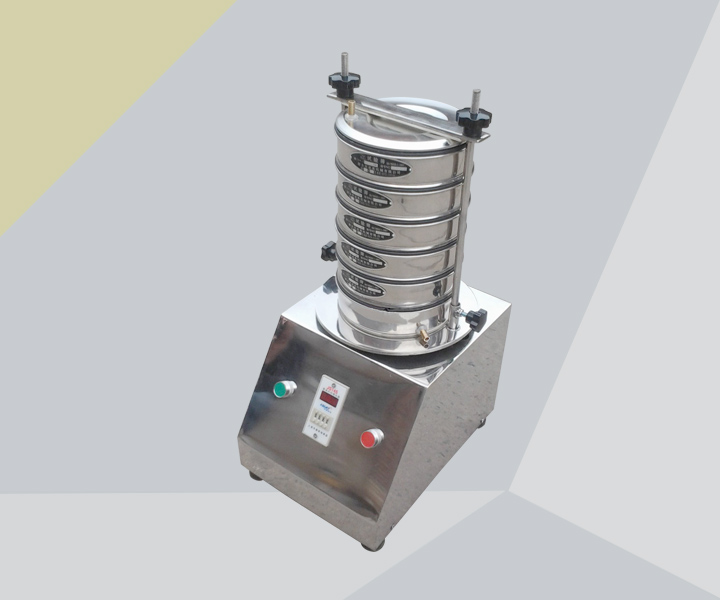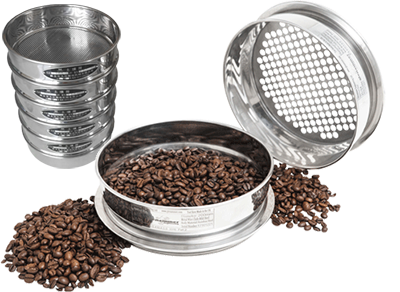
Metallurgical powder sieve is a device dedicated to metal powder particles. The device is designed based on the physical properties of metal powders, including parameters such as particle size distribution, particle shape, surface state and density difference, to ensure adaptability to typical metallurgical powders such as atomized iron powder, electrolytic copper powder, and cemented carbide raw materials. Through the combination of multi-layer sieves and multi-dimensional vibration technology, the device can achieve classification in the particle size range of 5μm to 3mm, meeting the strict requirements of press molding, additive manufacturing, injection molding and other processes on powder fluidity and bulk density.
Working Principle
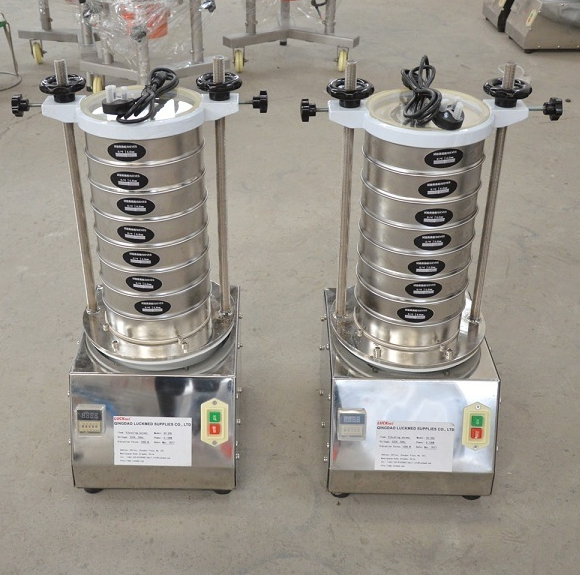
Metallurgical powder sieve uses a vertical vibration motor to drive an eccentric hammer system to generate a horizontal and vertical composite vibration field. The vibration frequency is usually set to 270-300rpm, and the amplitude range is controlled at 2-3cm, forming a three-dimensional throwing motion trajectory. This vibration mode produces multiple mechanical effects on metal powders:
According to the particle size distribution characteristics of metal powders, the equipment adopts a stepped vibration energy input. For powders with a wide particle size distribution (such as atomized iron powder), the vibration intensity must meet the requirements of throwing away particles with the largest particle size while avoiding the loss of fine particles through sieving. When the sieve surface acceleration reaches 4.5-5.0G, effective separation of 200 mesh particle size can be achieved, while fine powder (<44μm) needs to be reduced to 3.0-3.5G to prevent flying.
The particle shape of metal powder affects the screening efficiency. For powders with sphericity > 0.8 (such as aerosolized aluminum powder), the equipment uses a standard elliptical vibration mode to improve the screening rate by using the rolling characteristics of the particles; for flake/needle-shaped particles (such as electrolytic copper powder), it switches to a linear vibration mode with a vibration frequency of 150-160 times/minute to destroy the oriented accumulation of particles.
In view of the surface oxide film and lubricant addition characteristics of metal powders, the equipment is equipped with a vibration parameter adaptive system. When the powder contact angle is detected to be > 60° (indicating the presence of an oxide layer) or the lubricant content is > 0.5%, the system automatically increases the vibration intensity by 15%-20%, and at the same time extends the screening time by 3-5 minutes to fully disperse the particles. For hydrophilic powders (such as electrolytic nickel powder), reverse pulse vibration technology is used to effectively remove the capillary adsorption between particles.
Structural features
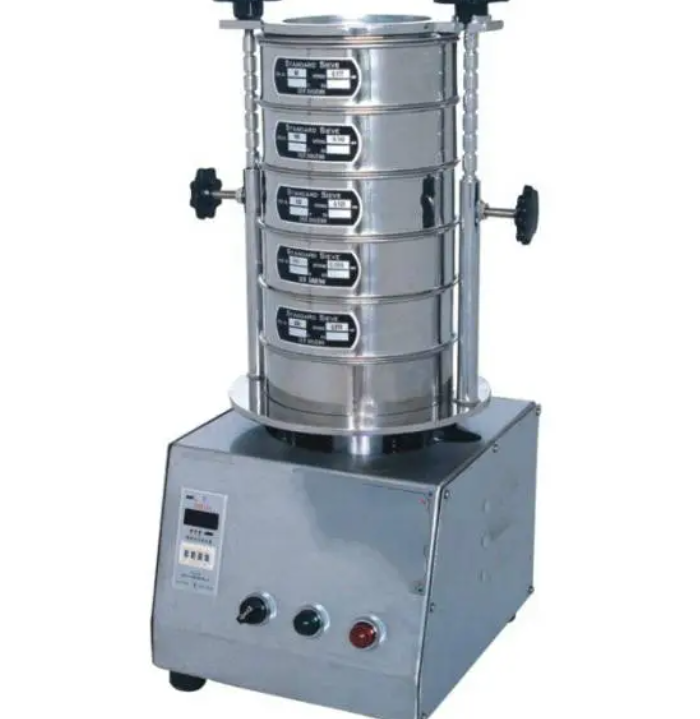
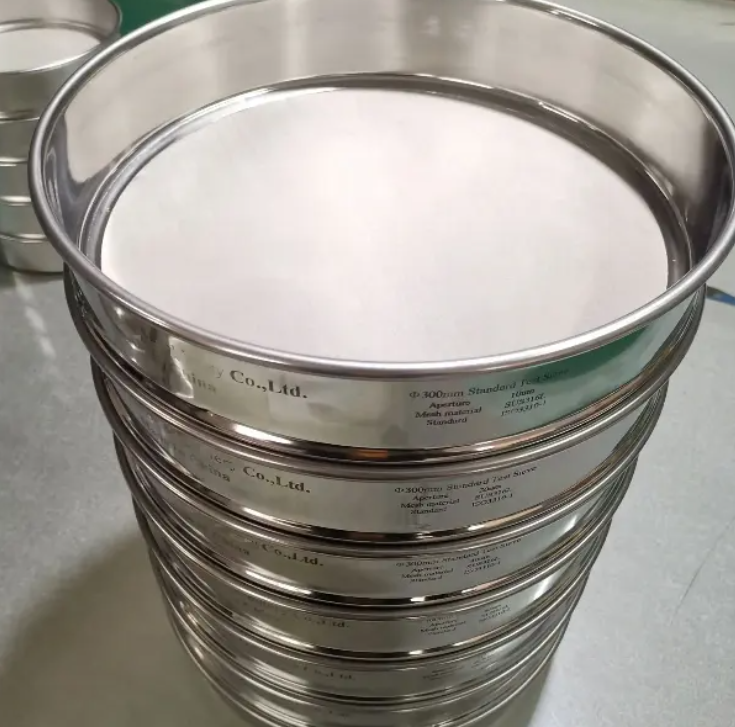
Material of screen assembly
Wire mesh: 316L stainless steel wire is used, with an aperture range of 500μm-5μm, suitable for conventional metal powder classification. For powders that are prone to static electricity (such as titanium powder), the surface is coated with a nano-level anti-static coating to reduce the surface resistance of the screen to below 10⁶Ω.
Electrochemical etching mesh: The aperture accuracy is ±1μm, and the wire diameter tolerance is controlled at ±2μm. It is specially used for fine powder (<10μm) classification. The screen base material is made of alloy, which still maintains dimensional stability at a high temperature of 800℃.
Perforated plate: Nickel-based alloy is used, and the opening rate can reach 65%, which is suitable for pre-classification of coarse particles above 3mm.
Vibration system
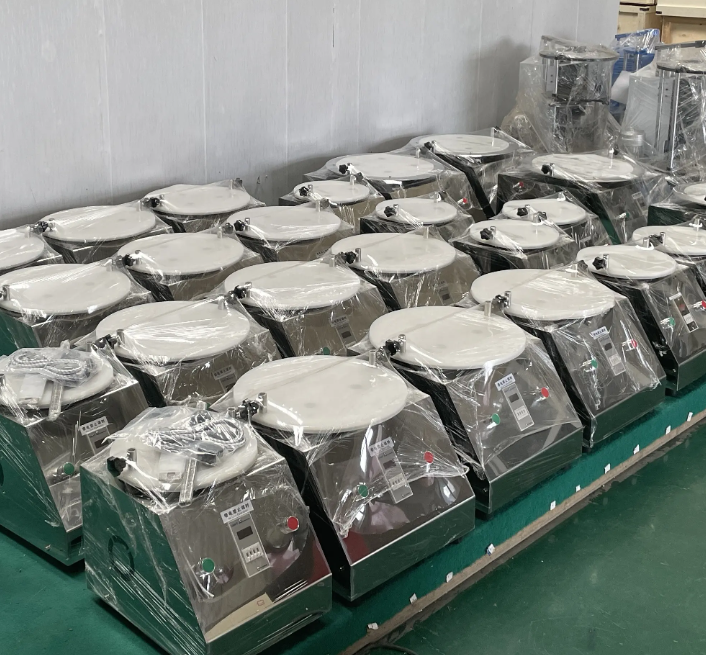
Drive device: Equipped with a double eccentric hammer system, the adjustable phase angle range is extended to 0°-225°, and the linear/elliptical/circular vibration mode switching is realized. For high-density powders (such as tungsten powder), an asymmetric mass distribution design is adopted to increase the uniformity of the acceleration of the screen surface to ±5%.
Vibration reduction mechanism: A three-stage composite vibration reduction system is adopted, including air springs, rubber dampers and hydraulic buffer devices, which reduces the working noise of the equipment to below 65dB and the vibration transmission rate is <5%.
Control system
Automatically call the preset program:
Iron-based powder: frequency 285rpm, amplitude 2.8cm
Carbide raw materials: frequency 270rpm, amplitude 2.5cm
Load monitoring system: Equipped with a high-precision pressure sensor to detect the blockage status of the screen in real time. When the pressure difference exceeds the set value, the reverse vibration clearing program is automatically started, and the clearing efficiency is more than 98%.
Sealing system
In view of the chemical activity of metal powders, the equipment uses perfluoroether rubber sealing rings, and the corrosion resistance temperature range is extended to 30℃-250℃. For easily oxidized powders (such as titanium alloy powders), a nitrogen protection interface is configured to maintain the oxygen content in the screening chamber <50ppm.
Typical Applications
Quality Control and Production
Metallurgical powder sieve plays a vital role in quality control and can control the particle size distribution of powders. The sieving process can remove oversized or undersized particles, thereby optimizing key performance indicators of powders such as fluidity and bulk density. This is of great significance for improving process parameters such as pressing density and reducing the coefficient of variation of sintering shrinkage, which helps to improve the quality of the final product.
New Material Research and Development
In the field of new material research and development, it is used to screen powders with a specific particle size range to meet the needs of manufacturing technologies such as 3D printing and metal injection molding (MIM). For example, in 3D printing, particle size control helps to improve the accuracy and strength of printed parts; in MIM, the appropriate particle size range can ensure the fluidity and sintering performance of the feed, thereby optimizing the sintering process and reducing defects.
Process Parameter Optimization
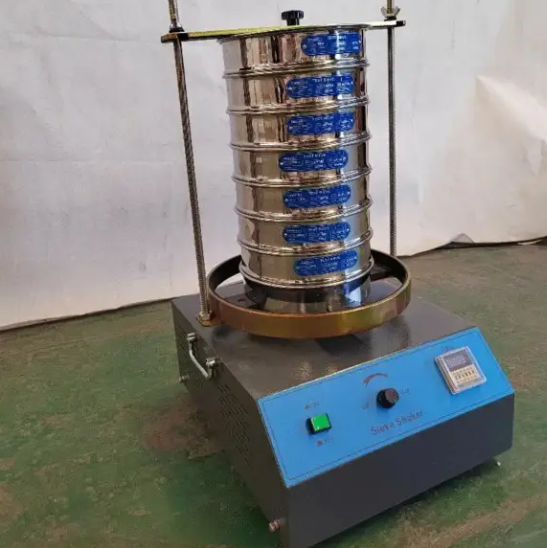
Metallurgical powder sieve is also used to study process parameters. By grading the powder, the behavior of powders of different particle sizes during processes such as pressing and sintering can be studied. This helps to understand the relationship between powder properties and process parameters, thereby optimizing process conditions and improving production efficiency and product quality.
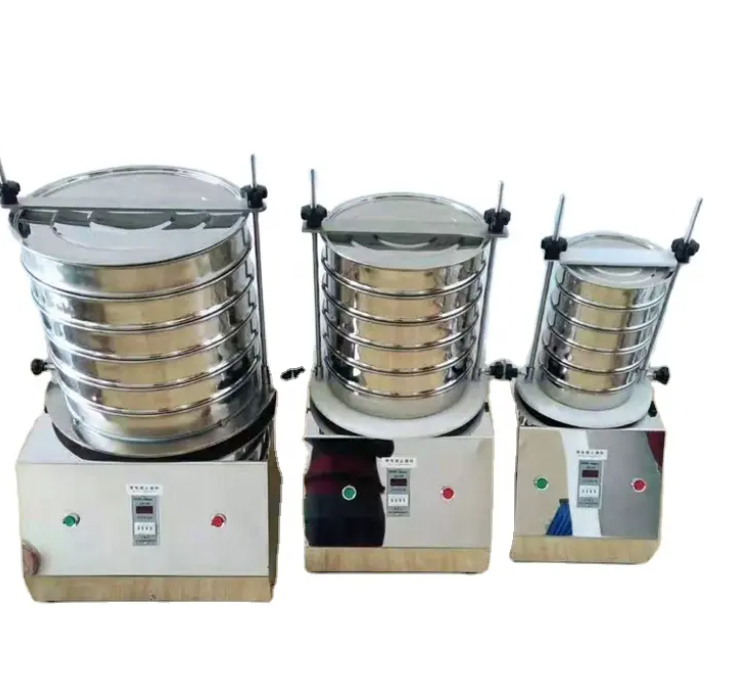
The technical advantages of Metallurgical powder sieve are mainly reflected in the deep adaptation to the characteristics of metal powder. For example, electrochemical etching mesh is used for fine powder, and high-opening-rate perforated plate is used for coarse particles to ensure classification accuracy while reducing the risk of screen blockage. The dynamic optimization of the vibration system enables the equipment to cope with powders with different particle size distributions and shape characteristics, and maintain the screening efficiency through parameter adaptive adjustment. The material compatibility design of the sealing and vibration reduction system can effectively solve the oxidation protection and dust control problems of metal powders.