How to Choose the Right Test Sieve Aperture
Wednesday September-30 2026 10:10:13
Choosing the right test sieve aperture starts with the particle size you need to measure, not simply the mesh number printed on a sieve. The aperture determines which particles pass through the sieve and which remain on the sieve surface, so an unsuitable opening can change the size distribution reported by the test.
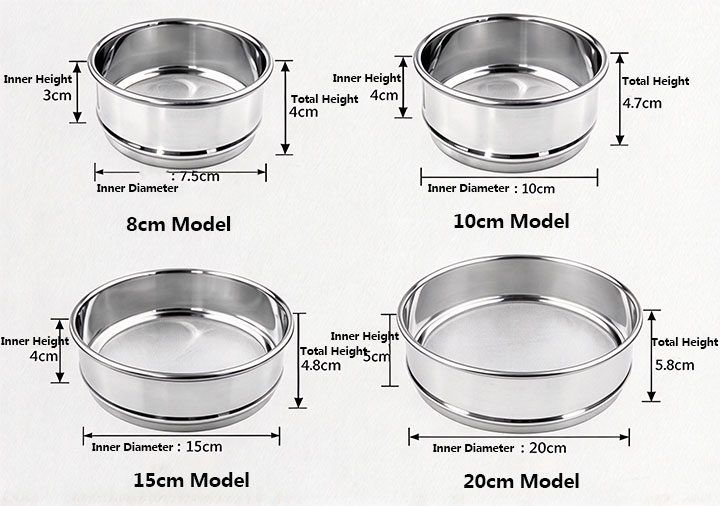
To choose the right test sieve aperture, first define the target particle size or separation point, then select a suitable nominal aperture and check it against the testing standard. Sieve diameter, material, sample quantity, and the characteristics of the material being tested should also be considered before the final sieve is selected.
What Is a Test Sieve Aperture?
A test sieve aperture is the nominal opening in the sieve mesh through which particles can pass during particle size analysis. It is normally expressed in micrometers (μm) or millimeters (mm) and represents the intended separation size of the sieve. For example, a sieve with a 500 μm aperture is used to separate particles around this size, with smaller particles generally passing through the openings while larger particles are retained.
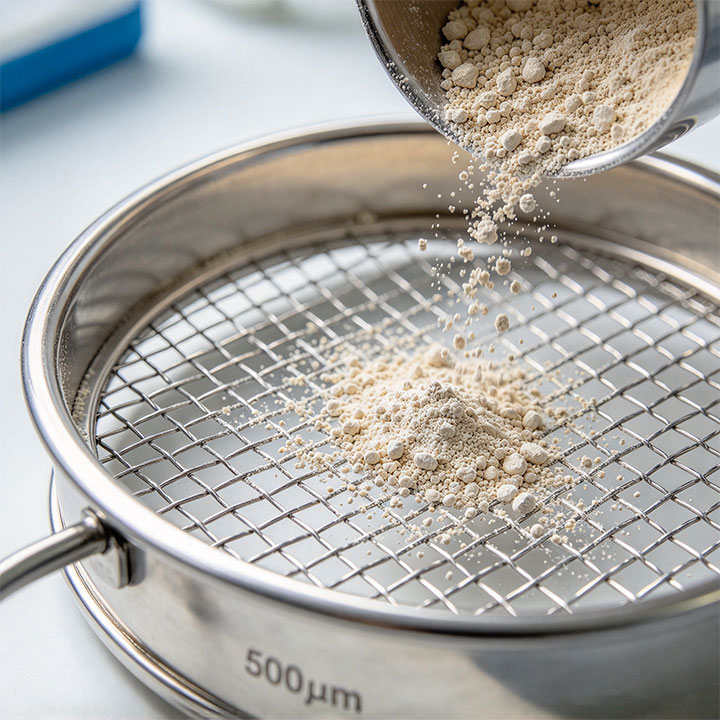
The aperture is the working size that matters during a sieve test. It should be selected according to the particle-size range and separation point required by the test rather than treated simply as a mesh label. The actual openings also have manufacturing tolerances, which is why standardized test sieves specify requirements for aperture accuracy and uniformity.
Start With the Particle Size You Need to Measure
Before selecting a test sieve, identify the particle size you actually need to measure. A sieve test may be used to check whether material passes a specified size, determine the amount retained above a certain size, or divide a sample into several particle-size fractions. These different testing purposes can require different aperture selections.
If the test has one critical separation point, start with that particle size. If the sample covers a broad range and the purpose is to determine particle size distribution, several apertures may be required to separate the material into successive fractions.
| Testing Purpose | Aperture Approach |
|---|---|
| Check material above or below a specified size | Start from the required separation size |
| Determine several particle-size fractions | Use a series of apertures covering the required range |
| Analyze a wide particle-size distribution | Select several apertures that represent the relevant size range |
How to Choose the Right Test Sieve Aperture
Once the required particle size has been identified, turn that requirement into a specific sieve selection. The following five steps provide a practical way to work from the testing requirement to the final sieve specification.
Step 1: Define the Target Particle Size
Start with the particle size that the test needs to identify or separate. If the requirement concerns particles around 1 mm, 500 μm, or 75 μm, use that size as the starting point rather than choosing a sieve from a mesh-number chart alone.
Step 2: Identify the Required Separation Point
Determine where the material needs to be divided. A single cut point may require one aperture, while a particle-size distribution test may require several apertures covering the range of interest. The separation point should come from the test method, product specification, or laboratory requirement.
Step 3: Select the Nominal Aperture
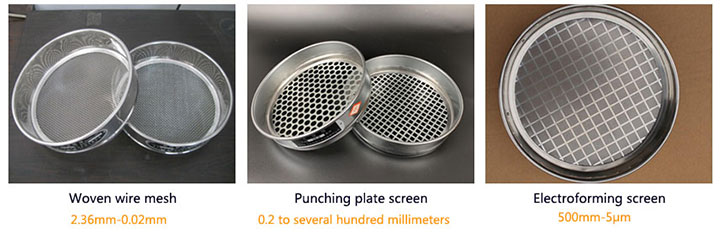
Choose a nominal aperture corresponding to the required separation point and applicable sieve series. The nominal value is the designated opening size used to identify the sieve; it should not be interpreted as the exact measured size of every individual opening.
Step 4: Check the Applicable Sieve Standard
Confirm which standard the test follows before ordering. Standards such as ASTM E11 and ISO 3310 specify requirements for test sieves, so the selected aperture should be available within the relevant sieve series and meet the required specification.
Step 5: Confirm the Sieve Diameter and Configuration
Finally, check the sieve diameter, frame and mesh material, and the number of sieves required. The diameter should work with the sieve shaker and sample quantity, while the material should suit the testing and cleaning conditions.
Selection sequence: target particle size → separation point → nominal aperture → sieve standard → sieve configuration.
Test Sieve Aperture vs Mesh Number: What Is the Difference?
Test sieve aperture and mesh number describe the sieve in different ways. Aperture refers to the nominal size of the opening, usually given in μm or mm, while mesh number is a designation related to the number of openings in a linear inch of mesh. They are related, but they are not interchangeable measurements.
The relationship between mesh number and aperture also depends on wire diameter. A change in wire diameter changes the available opening even when the mesh count remains the same. For accurate particle-size testing, it is therefore better to confirm the required aperture and applicable standard rather than relying on a mesh number alone.
| Term | What It Describes |
|---|---|
| Test Sieve Aperture | The nominal opening size of the sieve |
| Mesh Number | A designation related to the number of openings per linear inch |
| Wire Diameter | The thickness of the wire forming the mesh |
Check the Sieve Standard Before Selecting the Aperture
A suitable aperture is only part of a test sieve specification. If the sieve is used for standardized particle size analysis, the selected opening should be checked against the standard required by the test method. This helps ensure that the sieve designation, aperture requirements, and manufacturing tolerances are appropriate for the intended test.
ASTM E11: ASTM E11 is widely used for woven wire test sieves and specifies requirements related to sieve cloth, nominal aperture sizes, and opening tolerances. When a test procedure calls for an ASTM E11 sieve, select the required aperture from the applicable ASTM sieve series rather than converting a mesh number without checking the specified opening.
ISO 3310: ISO 3310 provides specifications for test sieves used in particle size analysis, including requirements for sieve construction and openings. When an ISO-based testing method is specified, the aperture should be selected from the corresponding ISO sieve series and matched to the requirements of the test.
Other Applicable Standards: Some laboratories follow national standards, internal specifications, or a particular testing method instead of ASTM or ISO alone. In these cases, use the actual test procedure or product specification as the reference. If the stated standard, aperture, and mesh designation appear inconsistent, confirm the requirement before ordering.
Test Sieve Aperture Selection Examples
The required aperture becomes easier to determine when it is tied to an actual testing task. These examples show how the target particle size and testing purpose can be turned into a practical sieve selection.
2 mm Particle Size
If the purpose is to determine the amount of material above and below approximately 2 mm, start with a sieve whose nominal aperture corresponds to the required separation point. If the test also needs to describe the coarser and finer fractions, additional apertures can be placed above and below the 2 mm point.
500 μm Powder
For a powder that needs to be evaluated around 500 μm, use 500 μm as the starting point for the aperture selection. Before ordering, confirm that this aperture belongs to the sieve series required by the testing standard and select a suitable sieve diameter for the sample and test equipment.
Wide Particle Size Distribution
If a sample contains particles across a wide size range, one sieve cannot describe the complete distribution. A series of apertures can be arranged from larger to smaller openings so the material is separated into several size fractions. The selected sieve series should cover the range relevant to the analysis rather than simply including as many sizes as possible.
Should You Use One Test Sieve or a Sieve Set?
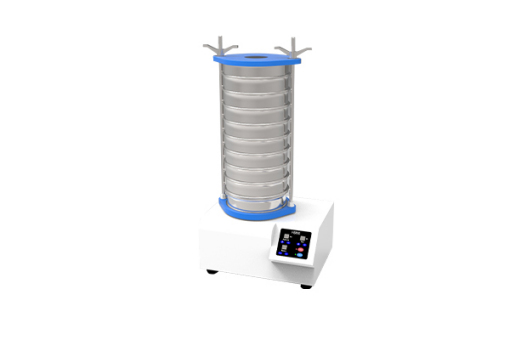
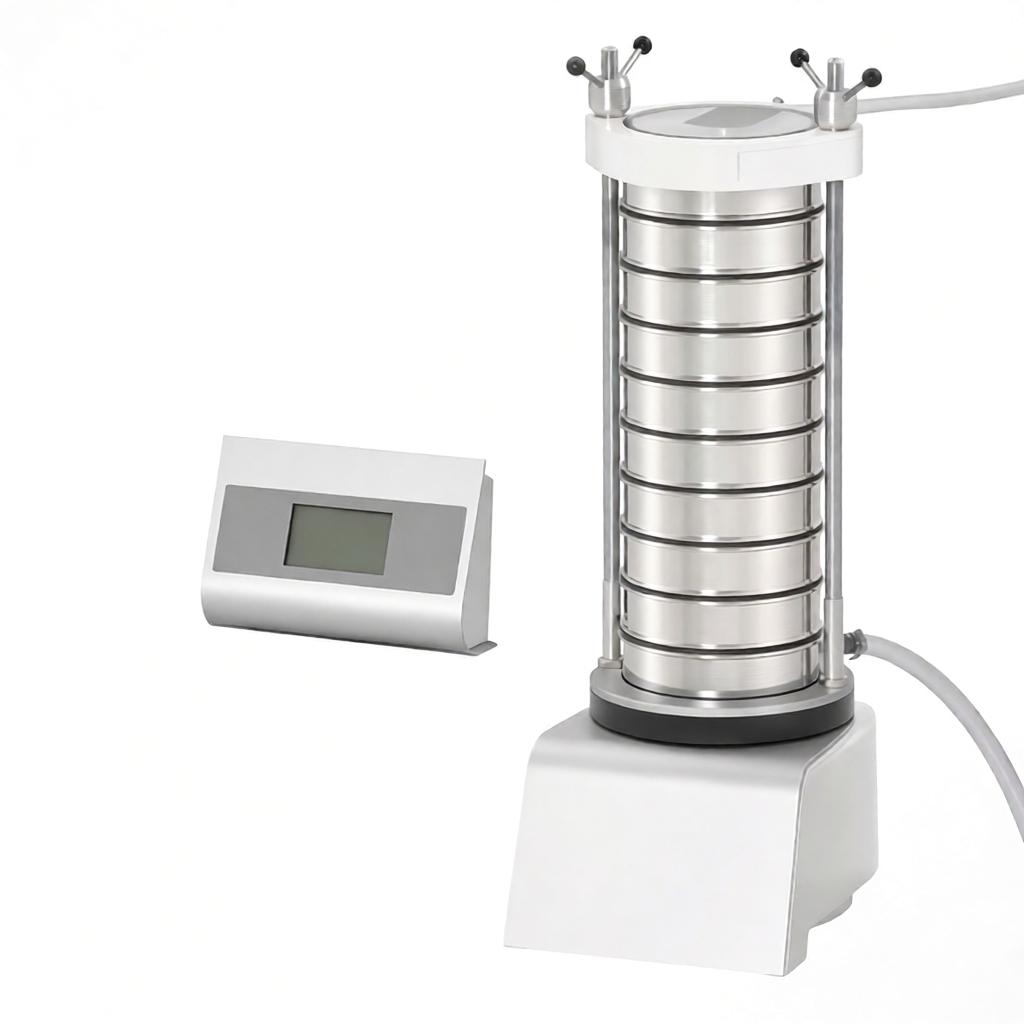
The choice depends on what the analysis needs to show. If the test only checks whether material passes or remains above one specified particle size, a single test sieve may be sufficient. A sieve set is more appropriate when the purpose is to determine particle size distribution or divide the sample into several size fractions.
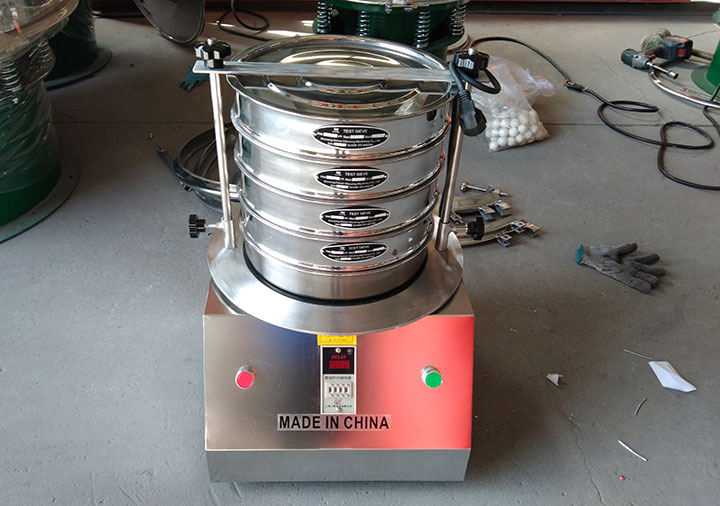
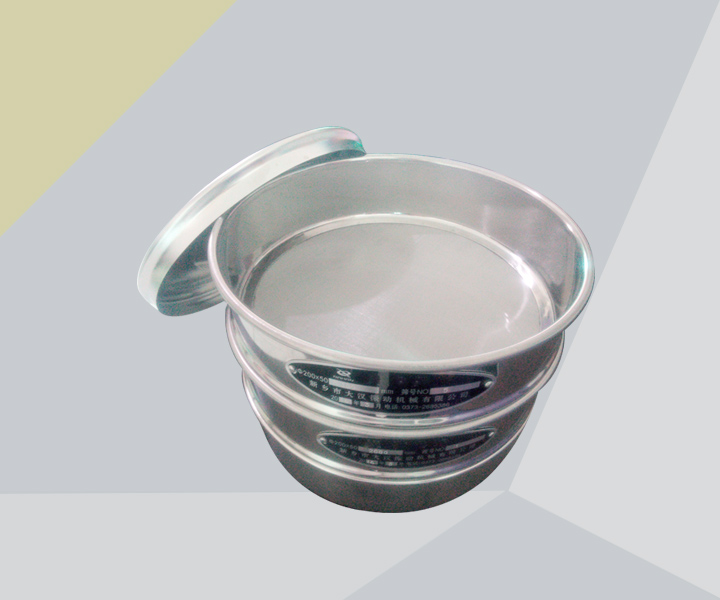
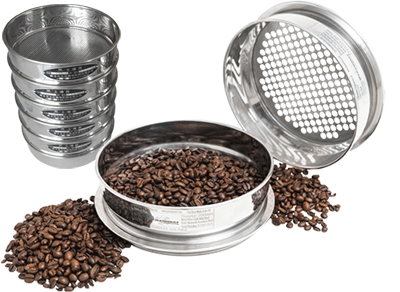
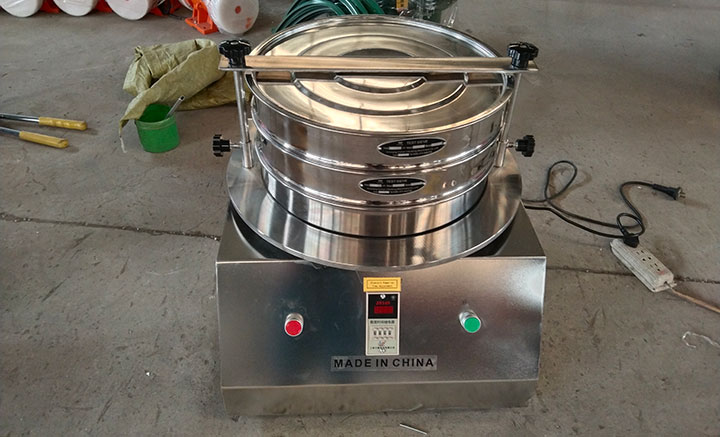
For a sieve set, the apertures are normally arranged from larger openings to smaller openings, with a receiving pan underneath. Each sieve retains a different fraction of the sample for weighing or further analysis. The number of sieves should be based on the test method and particle-size range, rather than simply using more sieves than necessary.
Common Test Sieve Aperture Selection Mistakes
Aperture selection problems often begin with an unclear testing requirement or an assumption that different sieve specifications mean the same thing. Three mistakes are particularly worth checking before a sieve is ordered.
Choosing by Mesh Number Without Confirming the Aperture
A mesh number can help identify a sieve, but it should not replace the required nominal aperture when the test has a defined particle-size limit. Confirm the aperture and applicable standard before placing the order.
Ignoring the Applicable Testing Standard
If the laboratory method calls for ASTM, ISO, or another defined standard, select the aperture within the required sieve series. A general mesh conversion is not enough when the test requires a specified sieve standard.
Overlooking Material Behavior
Very fine, moist, electrostatic, or cohesive materials may not pass through the mesh as easily as free-flowing dry particles. Agglomeration or material buildup on the mesh can affect the test, so the material characteristics and test conditions should be considered alongside the aperture.
How to Check Test Sieve Aperture Accuracy
A test sieve is identified by a nominal aperture, but individual openings in woven wire mesh are not expected to have exactly the same measured size. Manufacturing tolerances allow a controlled range of variation, so aperture accuracy should be evaluated against the requirements of the applicable sieve standard rather than by checking one opening in isolation.
| What to Check | Purpose |
|---|---|
| Nominal Aperture | Confirms the designated opening size |
| Applicable Standard | Defines the requirements used for evaluation |
| Opening Uniformity | Checks whether openings remain within the specified tolerance |
| Inspection or Calibration Documentation | Provides evidence of the required verification |
For standardized or regulated testing, use a sieve that meets the applicable standard and retain the relevant inspection or calibration records when required. This provides a more reliable basis for verifying sieve conformity than simply measuring a few openings by hand.
Frequently Asked Questions About Test Sieve Aperture
How do I choose the right test sieve aperture?
Start with the particle size or separation point that the test needs to measure. Then select the corresponding nominal aperture and confirm that it meets the applicable testing standard. Sieve diameter, sample quantity, and material characteristics should be checked before the final configuration is selected.
Is test sieve aperture the same as mesh number?
No. Aperture refers to the nominal size of the opening in the sieve mesh, while mesh number is a designation related to the number of openings per linear inch. Wire diameter also affects the resulting opening size, so mesh number should not be used as a substitute for the required aperture when a specific test size is required.
Do I need one test sieve or a complete sieve set?
A single sieve may be sufficient when the test only needs to verify one separation point. A sieve set is more suitable when the purpose is to determine particle size distribution or divide a sample into several size fractions. The number and apertures should be based on the test method and particle-size range.
Contact Us for the Right Test Sieve Aperture
Not sure which test sieve aperture or configuration is suitable for your analysis? Send us the material being tested, target particle size or size range, testing standard, sieve diameter, and required quantity. If the aperture is not yet confirmed, you can also provide your testing purpose and particle-size requirement.
These details can be used to confirm a suitable aperture, sieve specification, and configuration before ordering.
Contact us for test sieve selection, aperture requirements, or a quotation.
Do you want to know the output? model? price? Please click (inside product page) or online consultation to learn more.
Dahan can also customize it for you according to your needs. Come and get the design that suits you.
Kon Leung, Ph.D.
Staff Simulation Engineer at BISSELL Homecare, Inc.