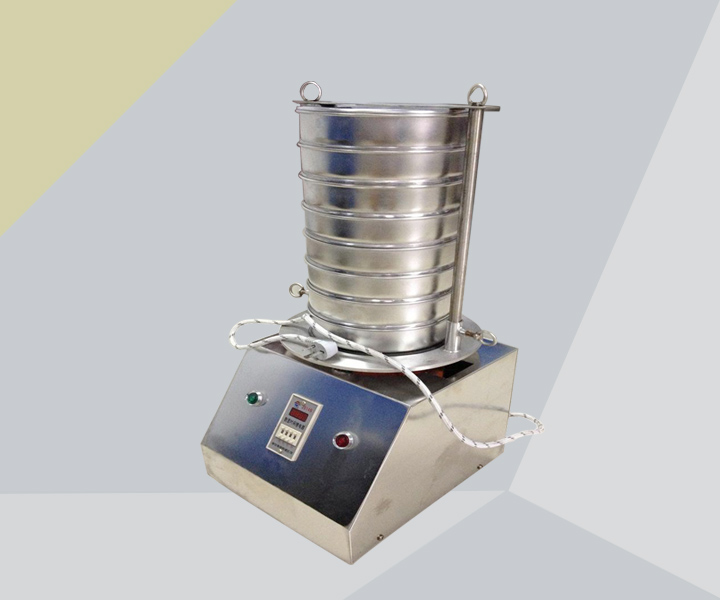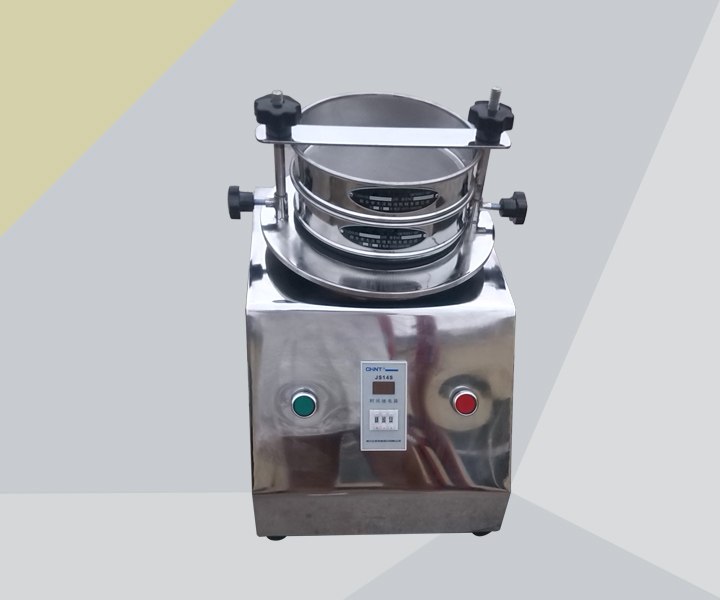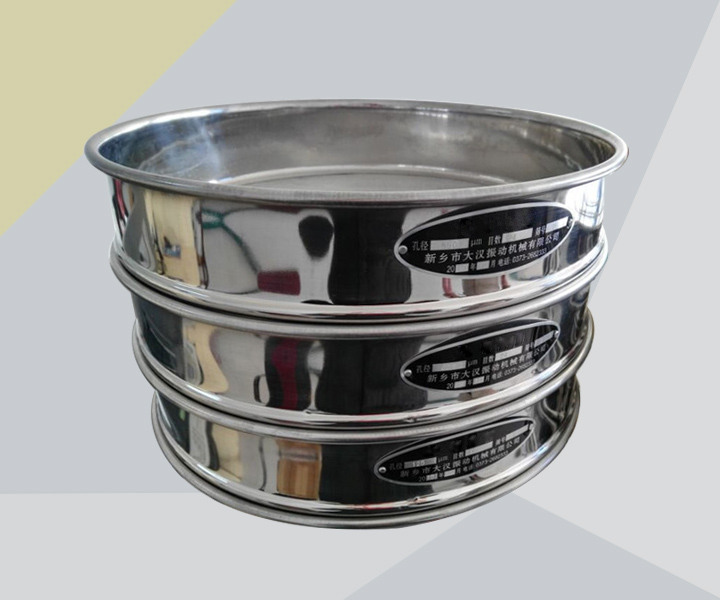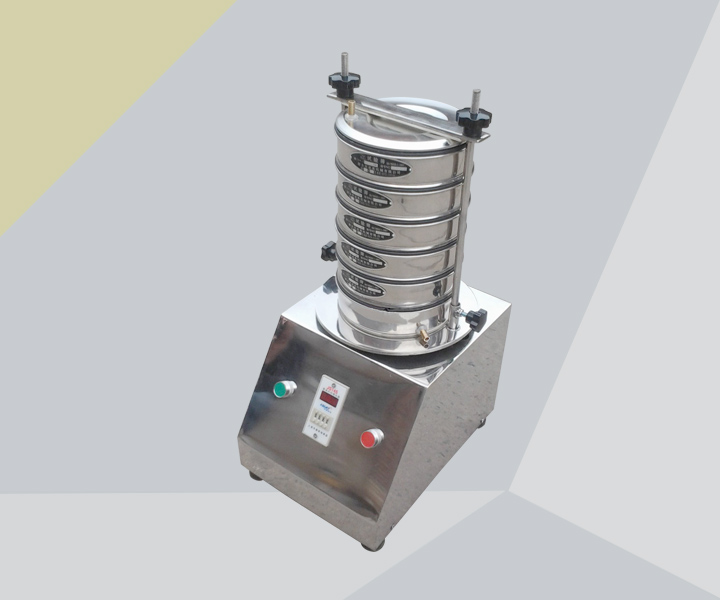
Ceramic powder is a fine powder with a particle size ranging from 0.1 μm to 50 μm. It has the characteristics of micron and submicron fine particle size, high density, irregular shape and easy agglomeration, which puts forward requirements on the accuracy of screening equipment. The test sieve needs to have good sealing, screening accuracy and structural stability. The ceramic powder test sieve is a device commonly used in ceramic material testing and particle size grading, mainly used to analyze the particle size distribution of ceramic powder. In the process of ceramic powder sieving , it is necessary to comprehensively consider the physical and chemical properties of the powder, screening principles, screening methods and equipment structure to meet the needs of particle size distribution analysis and grading processing.
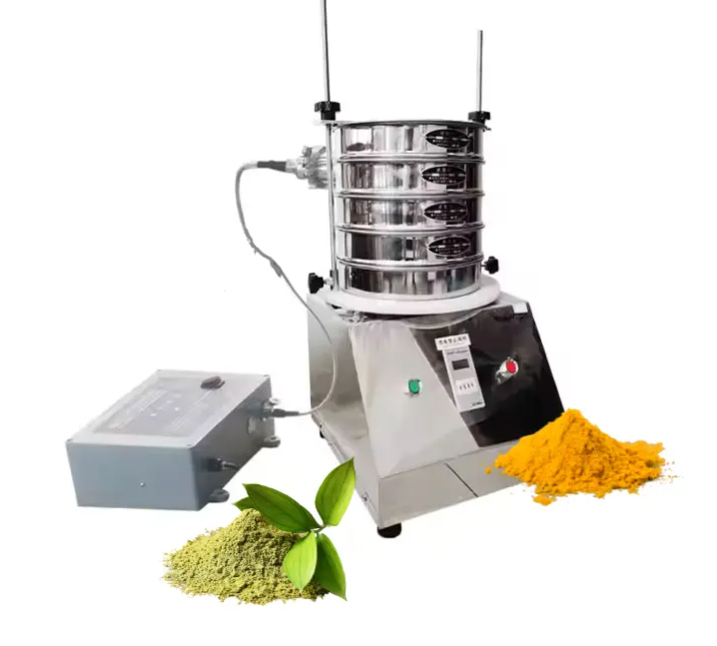
Working principle of ceramic powder sieving
Vibration excitation and material spreading
In order to overcome the weak agglomeration force between ceramic powder particles, the equipment generates high-frequency vibration through an eccentric exciter or a double eccentric motor to make the screen frame vibrate along a predetermined trajectory. The vibration frequency and amplitude need to be adjusted according to the powder density and particle size distribution: higher density and finer particle size usually require a larger amplitude to promote particle deagglomeration and avoid sieve hole blockage; the vibration frequency controls the rhythm of the powder layer on the sieve surface to maintain the continuous flow and uniform dispersion of particles.
Under the action of vibration, the ceramic powder enters the sieve surface at a uniform speed from the equipment feed port, and moves along the sieve surface under the impetus of vibration energy to form a thin layer of spreading. Since the fluidity of the powder is affected by both particle size and hygroscopicity, the layer thickness and vibration parameters need to be coordinated to ensure that each micron-sized particle has sufficient contact with the sieve hole.
Grading sieving process
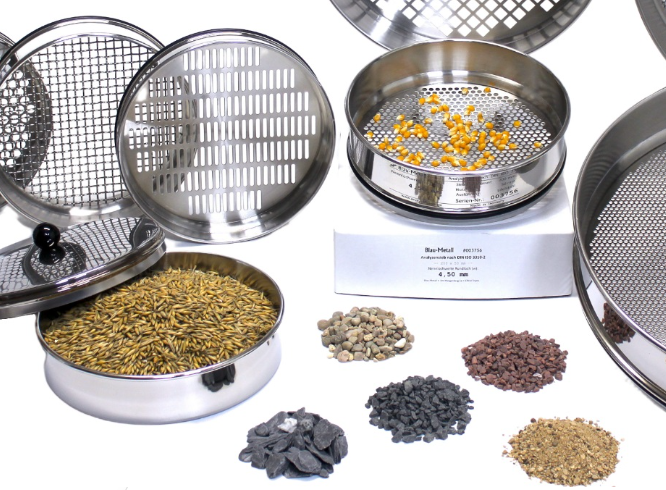
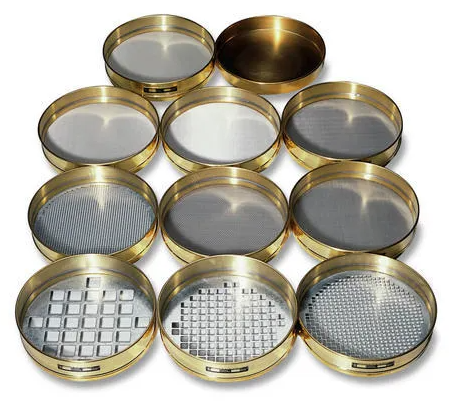
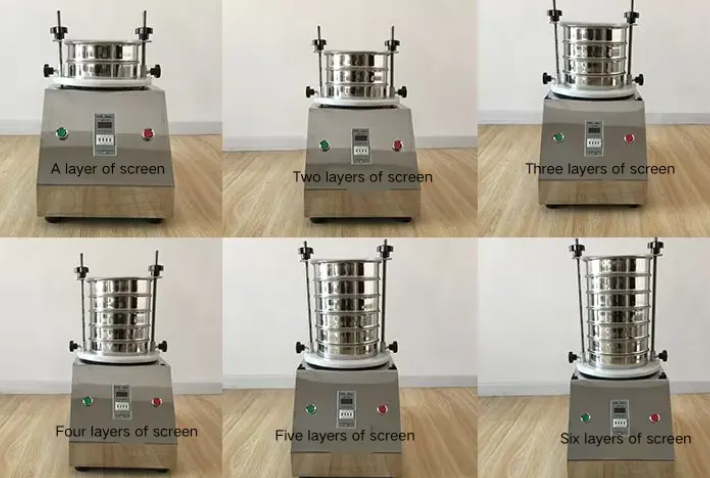
The test sieve is usually equipped with two or more layers of sieves, and the sieve hole size decreases from top to bottom. Ceramic powder is small and irregular in shape. The particles will rotate and tumble during vibration. The different projection sizes of non-spherical particles determine the difficulty of passing through the aperture. The upper screen mainly intercepts coarse particles and particle agglomerates. At the same time, the friction of particles at the edge of the hole and the vibration force can cause the agglomerates to break and release individual fine particles. The lower screen is graded for finer particle sizes to ensure that the particle size is more concentrated.
During the screening process, the interaction between the material under the screen and the screen surface is affected by the static electricity and moisture absorption of the powder. In order to reduce electrostatic adsorption, grounding or ion fans are sometimes added to the edge of the screen frame or screen to help release the surface charge of the powder and ensure that fine powder can pass through the screen normally.
Time and energy control
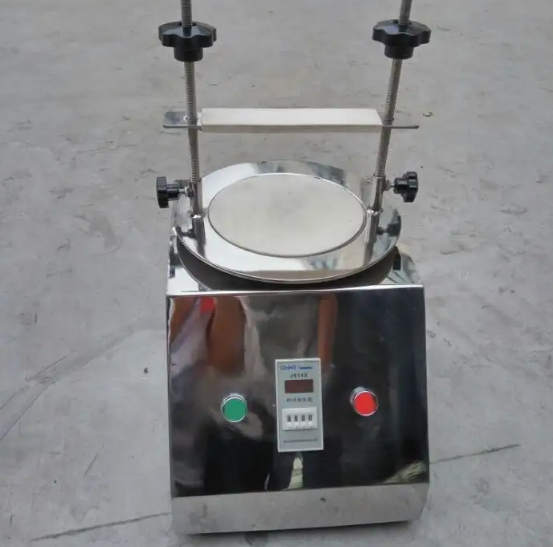
Ceramic powder has high density and relatively large resistance to particle penetration; too long vibration time may cause particles to re-agglomerate due to friction, heating and moisture absorption, while too short vibration time may result in insufficient screening. Therefore, the test sieve is equipped with a precise electronic timing system, and users can set the optimal vibration time according to the initial particle size distribution and humidity of the powder. The vibration energy can be fine-tuned by adjusting the eccentric angle or adding a spring support system to obtain the appropriate excitation intensity. During the vibration process, the vibration signal acquisition device can monitor the acceleration of the screen frame, provide real-time feedback, and assist the operator to make subtle parameter adjustments.
Particle collection and data analysis
After the preset time of screening is completed, the powder in each layer of the screen frame is collected from coarse to fine. Due to the high density and easy sedimentation of ceramic powder, the receiving tray is generally designed with a stainless steel belt slope, and a shockproof pad is installed at the bottom of the tray to slow down the impact of falling. The collected particles of each level can be accurately weighed by an electronic balance, and the content percentage of each particle level can be calculated in combination with the initial mass of the powder, providing a basis for subsequent process proportioning, equipment debugging and performance evaluation.
Application scope
Raw material particle size detection: Analyze the particle size composition of ceramic powder by screening to provide data support for raw material acceptance and batching design. For example, non-metallic mineral processing enterprises such as kaolin, feldspar, and quartz use it for factory inspection of finished powders.
Quality control: In the ceramic production process, the particle size of each batch of ceramic powder is detected to control product stability. For example, daily-use ceramics, electronic ceramics, and structural ceramics manufacturers use it for particle size control of raw material batches in the workshop.
Process optimization: Adjust process parameters such as grinding, spray drying, and granulation according to the screening results to optimize the ceramic preparation process. Used in the development of new powder equipment to evaluate the particle size changes after material processing.
Scientific research analysis: Used for particle size distribution analysis in material research to explore the impact of different particle sizes on ceramic properties. Used for powder analysis and parameter research in laboratory environments such as new ceramic material development and sintering performance analysis.
Equipment evaluation: Used to evaluate the impact of equipment such as ball mills and granulators on powder particle size, and guide equipment selection or improvement.
As an important tool for particle size detection, the ceramic powder test sieve is used in the quality control of ceramic raw materials and products. Its structural design and working principle fully consider the physical properties of ceramic powder. It can achieve stable and repeatable grading and screening on the basis of meeting the characteristics of micron-level, high density, irregular particles, and easy agglomeration due to moisture absorption, etc., providing reliable support for quality detection, process optimization and scientific research analysis of ceramic powder.