What the Automatic Sieve Shaker Is Designed to Do
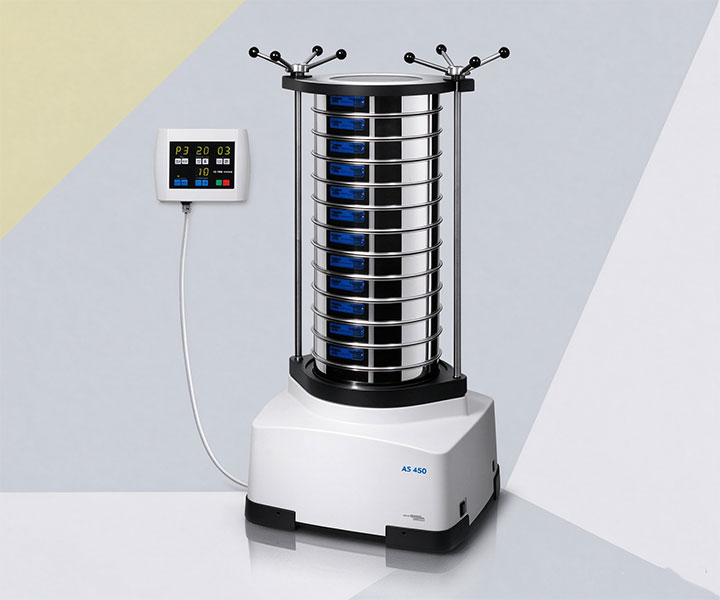
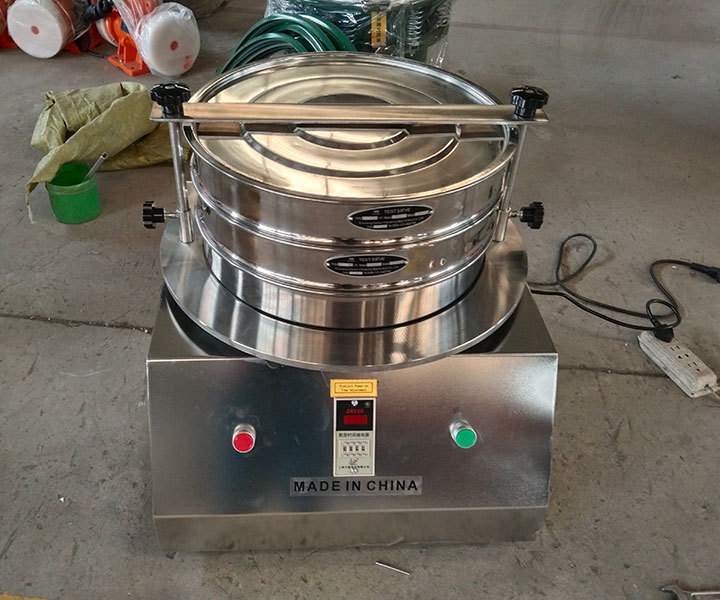
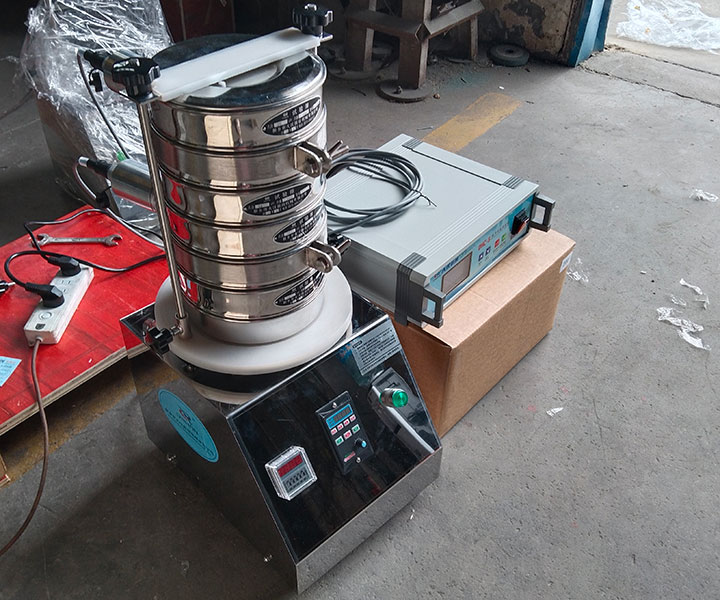
The main job of an automatic sieve shaker is to keep a set of test sieves moving in a repeatable way so that a sample can be separated into different particle-size fractions. Instead of manually shaking the sieve stack, the operator sets the required sieving conditions and lets the machine carry out the screening cycle.
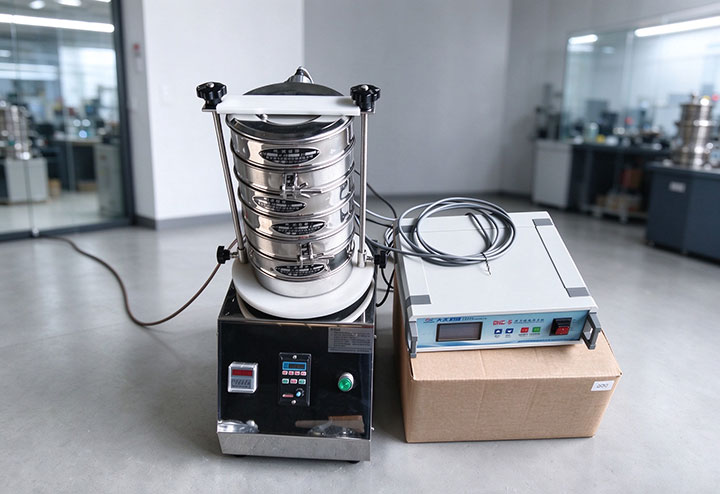
This makes the shaker useful for routine particle-size checks, sample classification, and laboratory quality control. The result depends on the selected sieve apertures, sample characteristics, and operating conditions, so the machine is normally configured around the material being tested rather than used as a one-size-fits-all screening unit.
How the Sieve Shaker Separates Different Particle Sizes
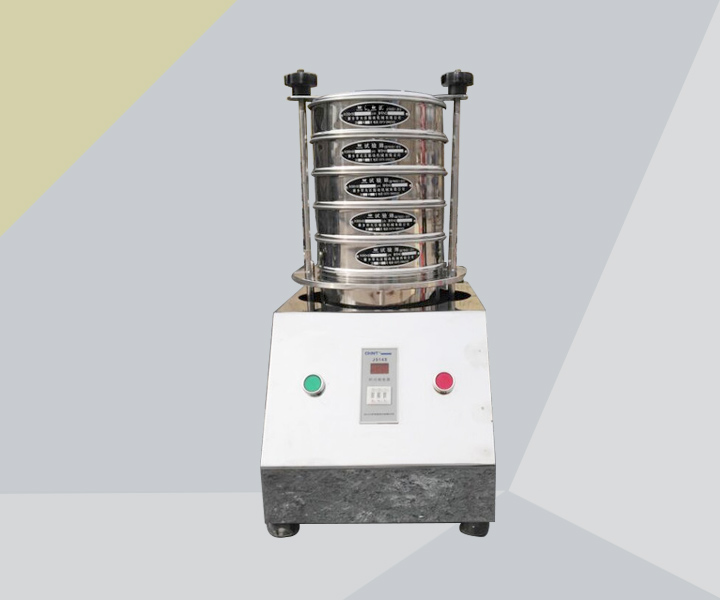
A sample is placed on the upper sieve of a stacked set of test sieves, with larger apertures positioned above smaller ones. When the shaker starts, the sieve stack moves continuously, spreading the material across the mesh and giving particles repeated opportunities to pass through the openings.
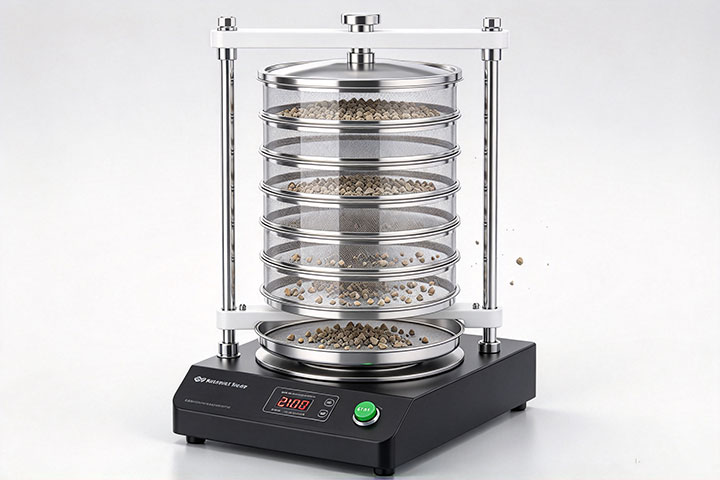
Particles smaller than a sieve aperture move to the next layer, while larger particles remain on that sieve. After the programmed screening cycle, each sieve retains a different size fraction, allowing the operator to compare or record the distribution of particles in the original sample.
The separation is affected by factors such as aperture size, sample amount, material shape, moisture, and sieving time. Choosing the sieve set and operating conditions to suit the sample is therefore an important part of obtaining useful test results.
Automatic Sieve Shaker Working Video
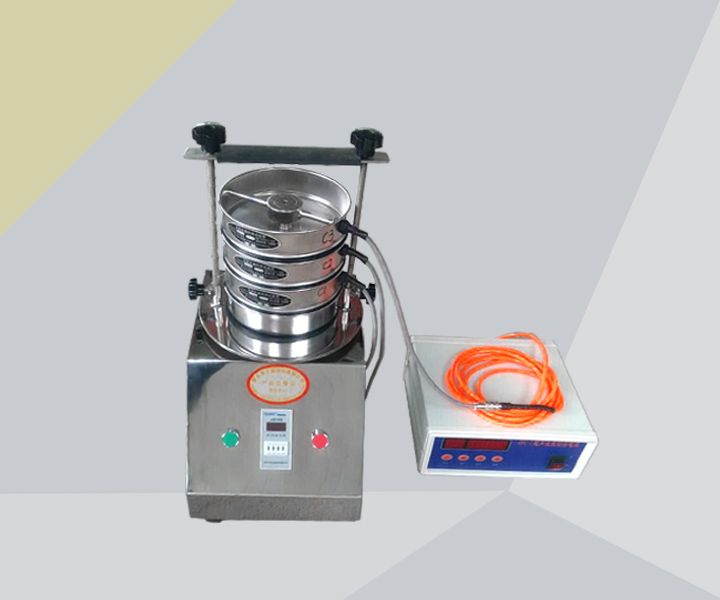
The following video shows the sieve shaker operating with a test sieve stack. It helps illustrate how the sieve stack is held in position and how the machine performs the automatic sieving cycle during particle size testing.
Specifications and Available Configurations
The Automatic Sieve Shaker can be configured around the sieve diameter, number of layers, particle size range, and testing conditions required for a specific sample. The following specifications are based on the standard configuration, while selected items can be adjusted for different testing requirements.
| Parameter | Standard Specification |
| Sieve Diameter | 200 mm |
| Number of Sieve Layers | 1–8 layers |
| Sieve Aperture Range | 0.025–3 mm |
| Vibration Amplitude | 1–4 mm |
| Vibration Frequency | 1440 r/min |
| Power Supply | 220 V, 50 Hz, 0.12 kW |
| Timing Range | Up to 999 s |
| Noise Level | Less than 50 dB |
Different test sieve diameters and screen types can be selected when the standard configuration does not match the sample or testing method. Sieve options include woven wire mesh, perforated plate, and electroformed mesh, with stainless steel and other materials available according to the application.
What Makes the Automatic Operation Useful?
Automatic operation is useful when the same type of sieve test needs to be repeated under similar conditions. Once the sieve stack is loaded and the required screening time is set, the shaker can complete the screening cycle without continuous manual shaking.
This is practical for routine laboratory testing involving multiple samples. Keeping the operating time and sieve movement consistent from one test to the next makes the testing process easier to repeat and compare, while allowing the operator to prepare samples or handle other laboratory tasks during the cycle.
Automatic Control for Consistent Sieving
The automatic control system allows the sieve shaker to operate for a defined testing period rather than relying on manual timing. The operator can set the required sieving time before starting the test, and the machine continues the programmed cycle until the set period is completed.
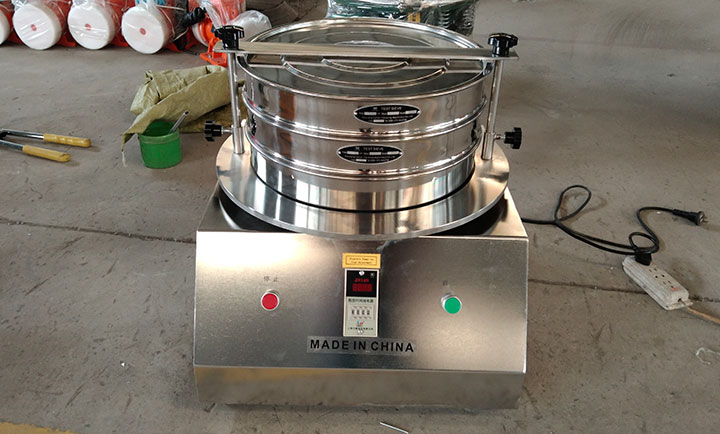
For repeated particle size tests, using the same sieve stack and similar operating conditions helps keep the testing procedure consistent between samples. This is useful when laboratory personnel need to compare results from different batches or carry out routine quality control checks.
Test Sieve Compatibility and Configurations
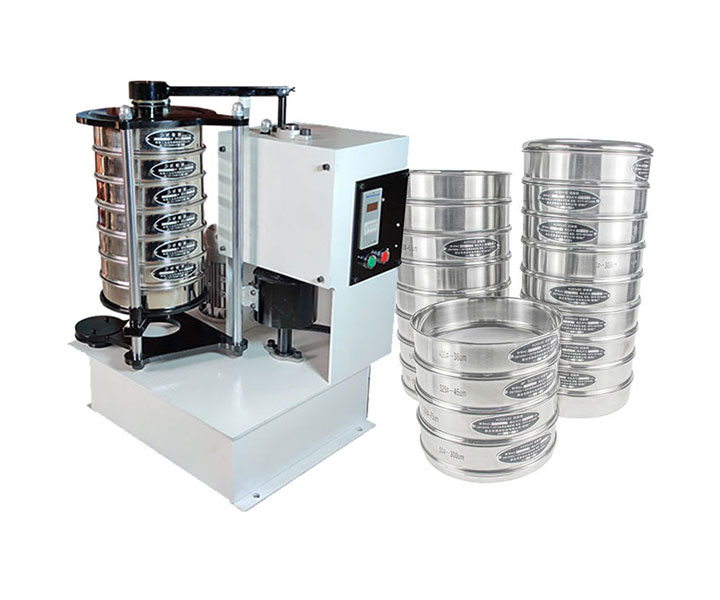
The sieve shaker can be used with different test sieve configurations according to the particle size analysis required. A typical setup consists of a sieve stack arranged from larger to smaller apertures, followed by a receiving pan at the bottom.
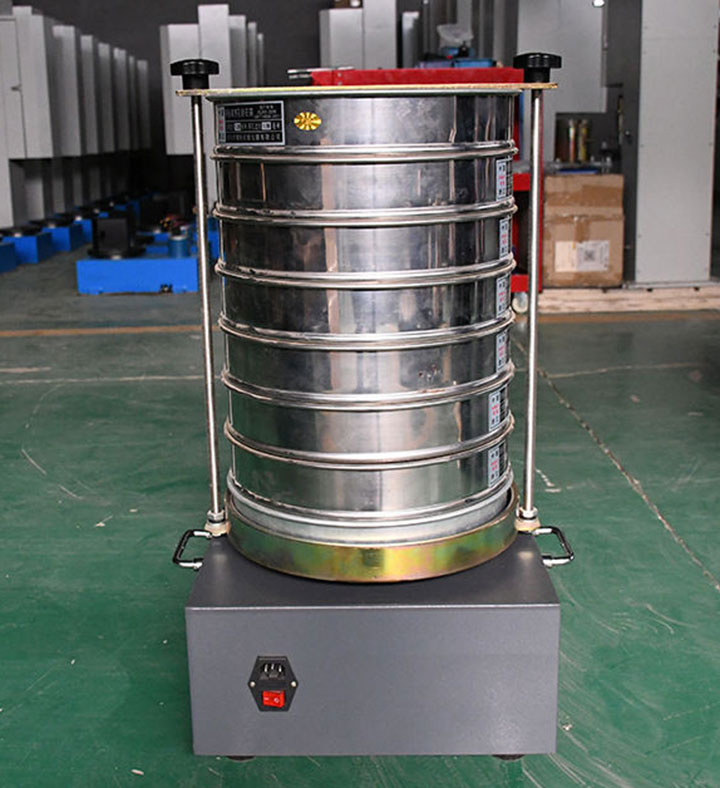
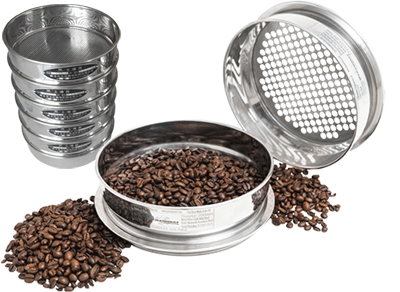
Test sieves can be selected by diameter, aperture size, mesh type, and material. Common options include woven wire mesh, perforated plate, and electroformed mesh. Stainless steel sieves are suitable for many routine laboratory tests, while other materials or specialized mesh types can be selected when the sample or testing method requires them.
The number of sieve layers can also be adjusted to match the required size fractions. For example, a simple test may use only a few sieves, while a more detailed particle size distribution analysis may require a larger sieve stack.
Automatic Sieve Shaker for Particle Size Analysis
An Automatic Sieve Shaker can be used to determine how a sample is distributed across different particle size ranges. By arranging test sieves with different apertures, the material is separated into fractions that can be weighed and recorded after the sieving cycle.
This method is commonly used for powders, granules, and other particulate materials where particle size needs to be checked as part of laboratory analysis or quality control. The selected sieve apertures should match the size range and testing standard of the sample.
For a complete particle size analysis, the operator can record the material retained on each sieve and calculate the proportion of each size fraction. This provides a practical way to compare samples or monitor changes between production batches.
Applications of Automatic Sieve Shaker
The Automatic Sieve Shaker is suitable for laboratory testing of powders, granules, and other particulate materials that require particle size separation or classification. The appropriate sieve stack can be selected according to the material and the required size range.
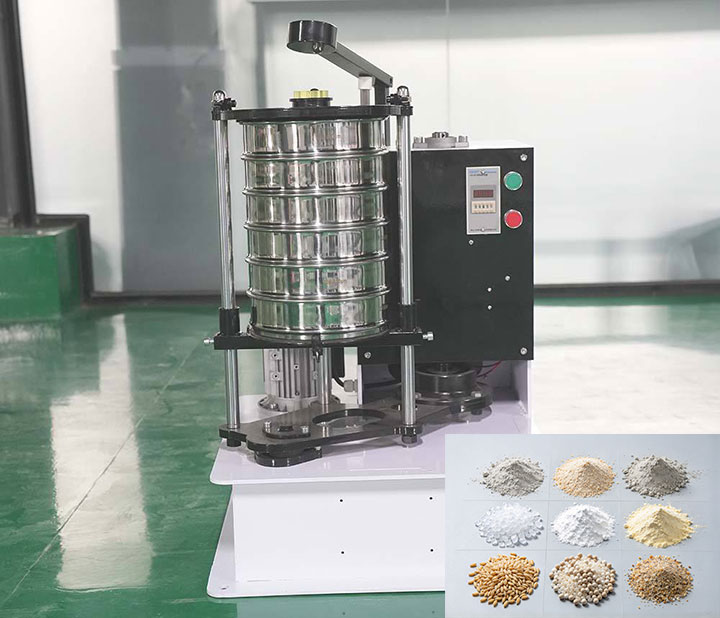
Typical testing materials include mineral powders, sand, cement, chemicals, pharmaceutical powders, food ingredients, grains, fertilizers, and other granular products. It can be used for incoming material inspection, production quality control, research testing, and comparison of different sample batches.
For materials with different particle shapes, moisture levels, or flow characteristics, the sieve aperture, number of layers, sample quantity, and sieving time should be selected according to the actual testing method.
Dry and Wet Sieving Options
Dry sieving is suitable for samples that can be separated directly through the test sieve without adding liquid. It is commonly used for dry powders, granules, sand, minerals, and other free-flowing materials.
When a sample contains fine particles that tend to agglomerate or cannot be separated effectively in a dry condition, wet sieving may be considered. In this case, the test sieve, receiving arrangement, and shaker configuration need to be suitable for the selected wet sieving method.
Whether dry or wet sieving is appropriate depends on the material properties and the applicable testing procedure. The sieve type and machine configuration should therefore be confirmed according to the sample before ordering.
How to Choose an Automatic Sieve Shaker
The right Automatic Sieve Shaker configuration depends mainly on the sample and the particle size analysis required. Before selecting a model, consider the sieve diameter, aperture range, number of sieve layers, sample characteristics, and required sieving time.
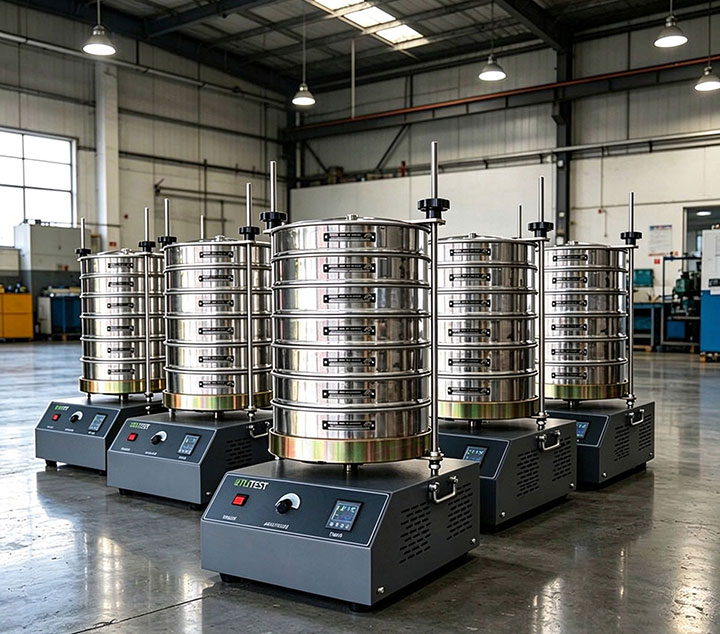
For a simple size check, a smaller sieve stack with fewer layers may be sufficient. If the test needs several particle size fractions, more sieve layers can be used to cover the required aperture range.
Sample properties should also be considered. Fine powder, coarse particles, sticky materials, and samples with different moisture levels may require different sieve types or testing methods. Confirming these conditions in advance helps determine the appropriate sieve configuration and operating parameters.
If you are unsure which configuration fits your sample, provide the material name, expected particle size range, sample quantity, and required test standard when requesting a quotation.
Questions About Automatic Sieve Shaker
What is an Automatic Sieve Shaker used for?
It is used to separate particulate samples through a stack of test sieves for particle size analysis, classification, and routine laboratory quality control.
How many test sieves can an Automatic Sieve Shaker hold?
The number of sieves depends on the machine and sieve configuration. A standard test sieve setup can be arranged with multiple layers, with the required number selected according to the particle size range being tested.
What information is needed to select an Automatic Sieve Shaker?
Useful information includes the material name, particle size range, sample quantity, required sieve diameter, number of size fractions, and whether the test requires dry or wet sieving. These details help determine a suitable configuration.
Need an Automatic Sieve Shaker for particle size testing? Send us your material name, expected particle size range, sample quantity, sieve diameter, and required number of sieve layers. We can recommend a suitable test sieve configuration based on your testing requirements.
If you already have a testing standard or specific sieve specification, you can also include it with your inquiry. This helps us confirm the sieve type, machine configuration, and other operating parameters before quotation.