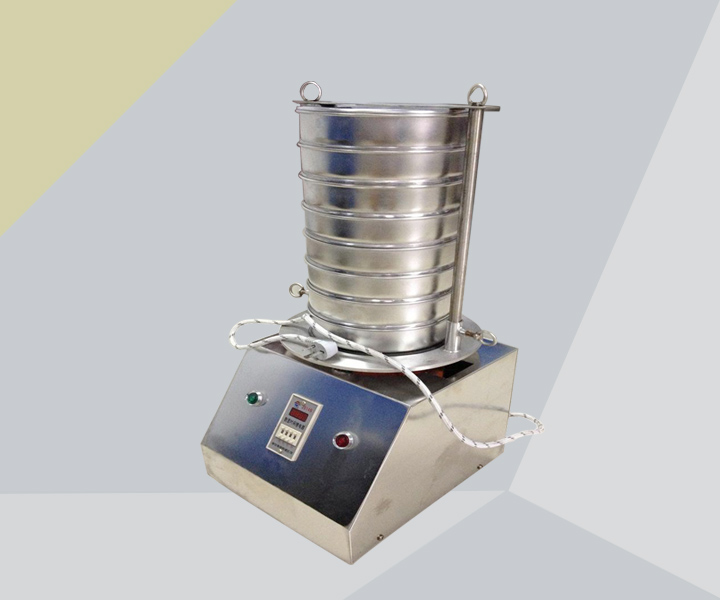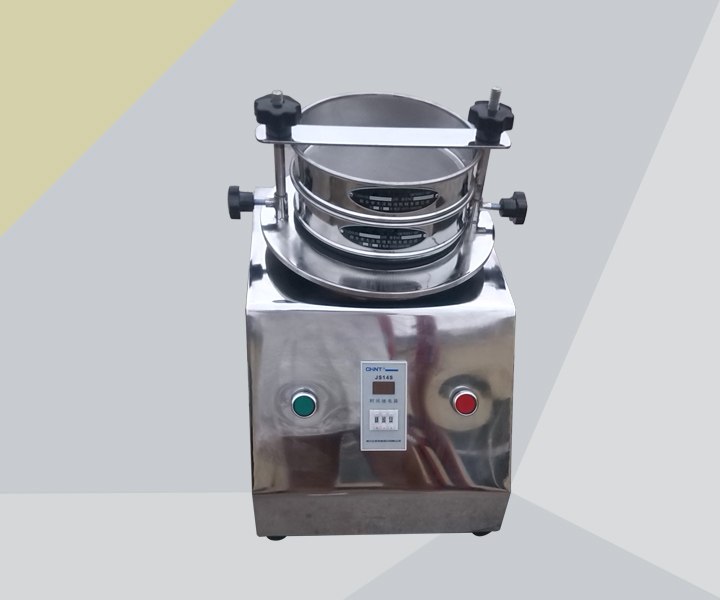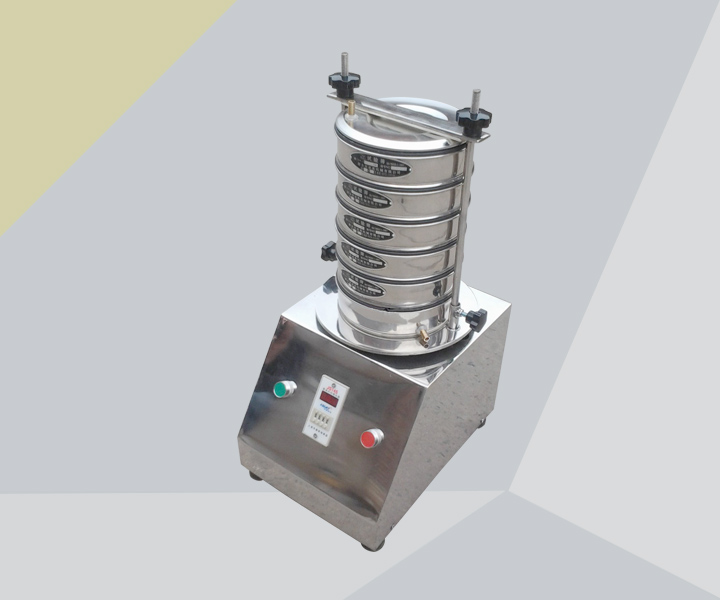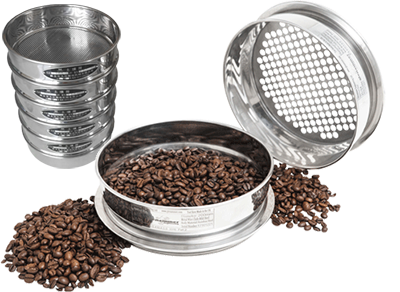
Grain cleaning sieve is mainly used for particle size detection and impurity separation of grain, oil and other granular materials. The main functions of this equipment include particle size distribution determination, foreign matter removal and grade classification. Its applicable materials include staple crops such as wheat, corn, and soybeans, oil crops such as rapeseed and flax seeds, and light particles such as quinoa. The sieve aperture range of the equipment covers 0.038 mm to 125 mm, and it can be configured with 2 to 8 layers of sieves to achieve multi-level sorting.
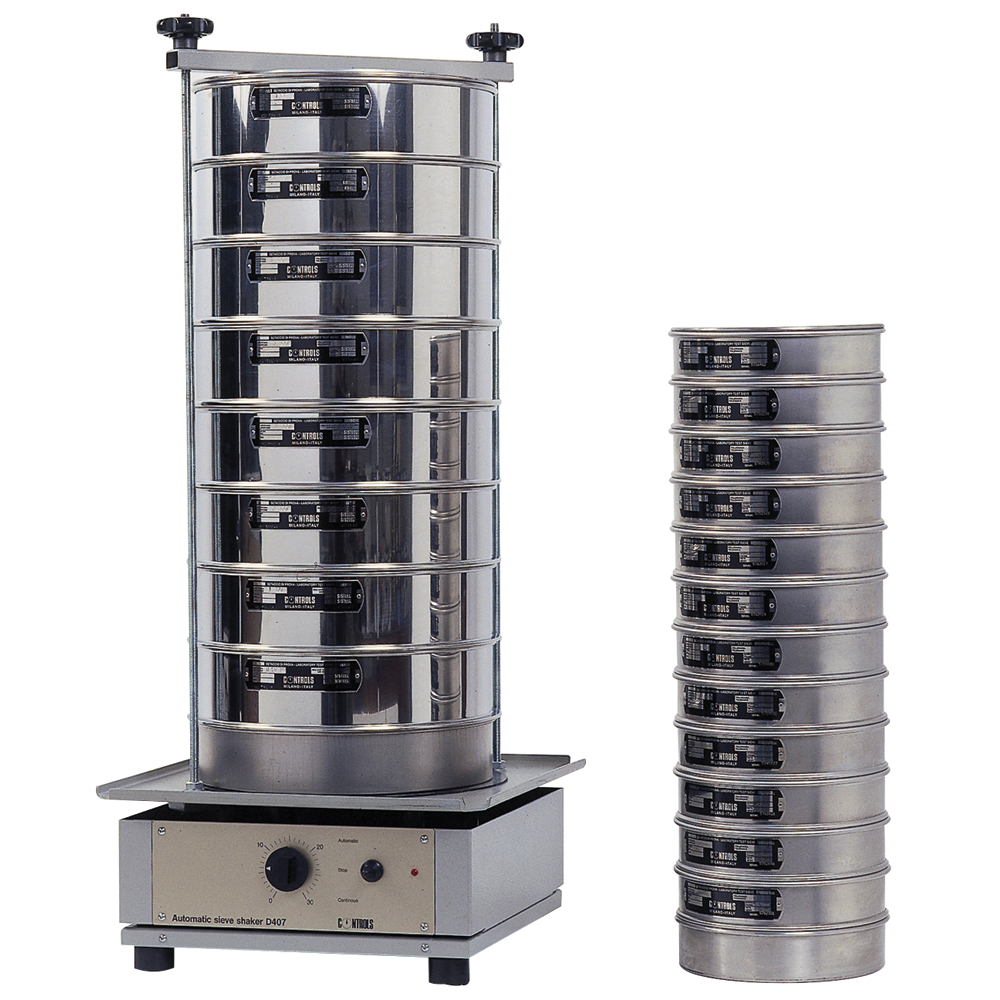
Structure of Grain Cleaning Sieves
Screen frame system
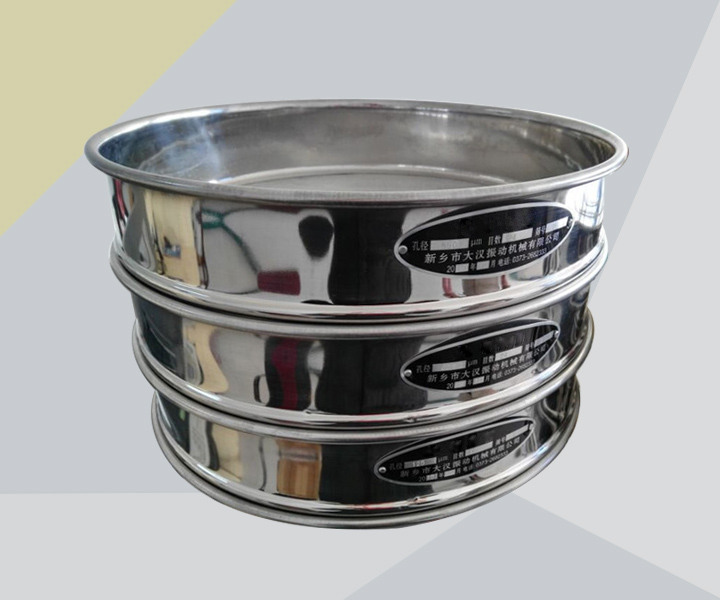
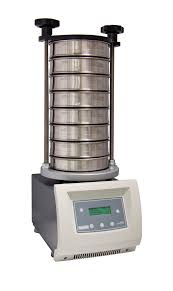
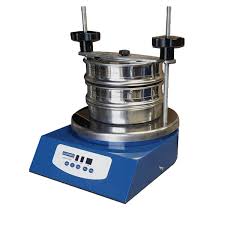
The split stainless steel screen frame structure is adopted, and the effective screening area is 0.25-1.5㎡. The screen is fixed with a snap-on structure, and the replacement time can be less than 5 minutes. The screen frame is equipped with a two-way tensioning device to ensure that the flatness error of the screen is less than 0.15mm.
Vibration host
The vertical vibration motor is selected, the exciting force adjustment range is 5-15kN, and it is equipped with an intelligent frequency conversion control system, which can achieve 0-100% stepless speed regulation.
Rigid base
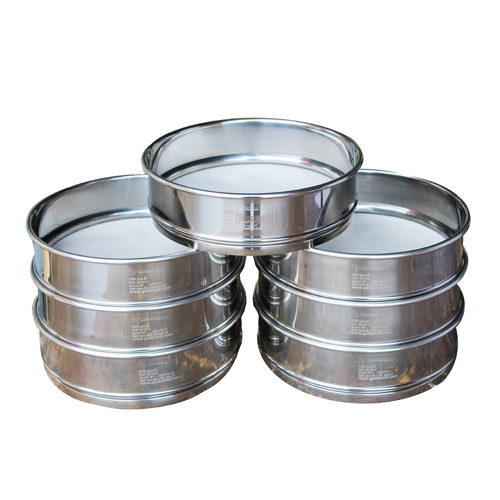
The base adopts Q345B steel plate welding structure, equipped with four sets of air spring shock absorption system, the natural frequency is less than 3Hz, and the vibration transmission is effectively isolated. The base integrates the hopper volume adjustment device, which can handle the flow range of 0.5-15t/h.
Drive system
The main motor power matches 0.75-5.5kW, the protection level is IP55, and the insulation level is F. The transmission system adopts a flexible coupling, and the torque transmission efficiency can reach 98%.
Applications of Grain Cleaning Sieves
Impurity removal
Through the three-stage screening system:
Primary screening (sieve hole 5.0mm): remove large impurities (straw, soil blocks)
Secondary screening (sieve hole 2.5mm): separate medium impurities (broken grains, insect-eaten grains)
Final screening (sieve hole 1.2mm): remove small impurities (sand, gravel, metal chips)
The equipment can remove impurities with an efficiency of up to 98%, and the impurity content of grain can be less than 0.5%.
Seed selection
Improvement of variety purity: separation of foreign variety particles through a specific sieve hole combination
Germination rate optimization: removal of damaged grains (breakage rate detection accuracy is less than 0.1%)
Coated seed processing: equipped with anti-sticking screen, the processing capacity can reach 8t/h
Finished product rate test
Output detection: determine the whole polished rice rate and wheat flour yield through the standard sieve group
Particle size distribution analysis: guide the optimization of crushing process parameters
Defect detection: identify insect-eaten grains and moldy grains (need to cooperate with image recognition system)
Raw material purification and quality control
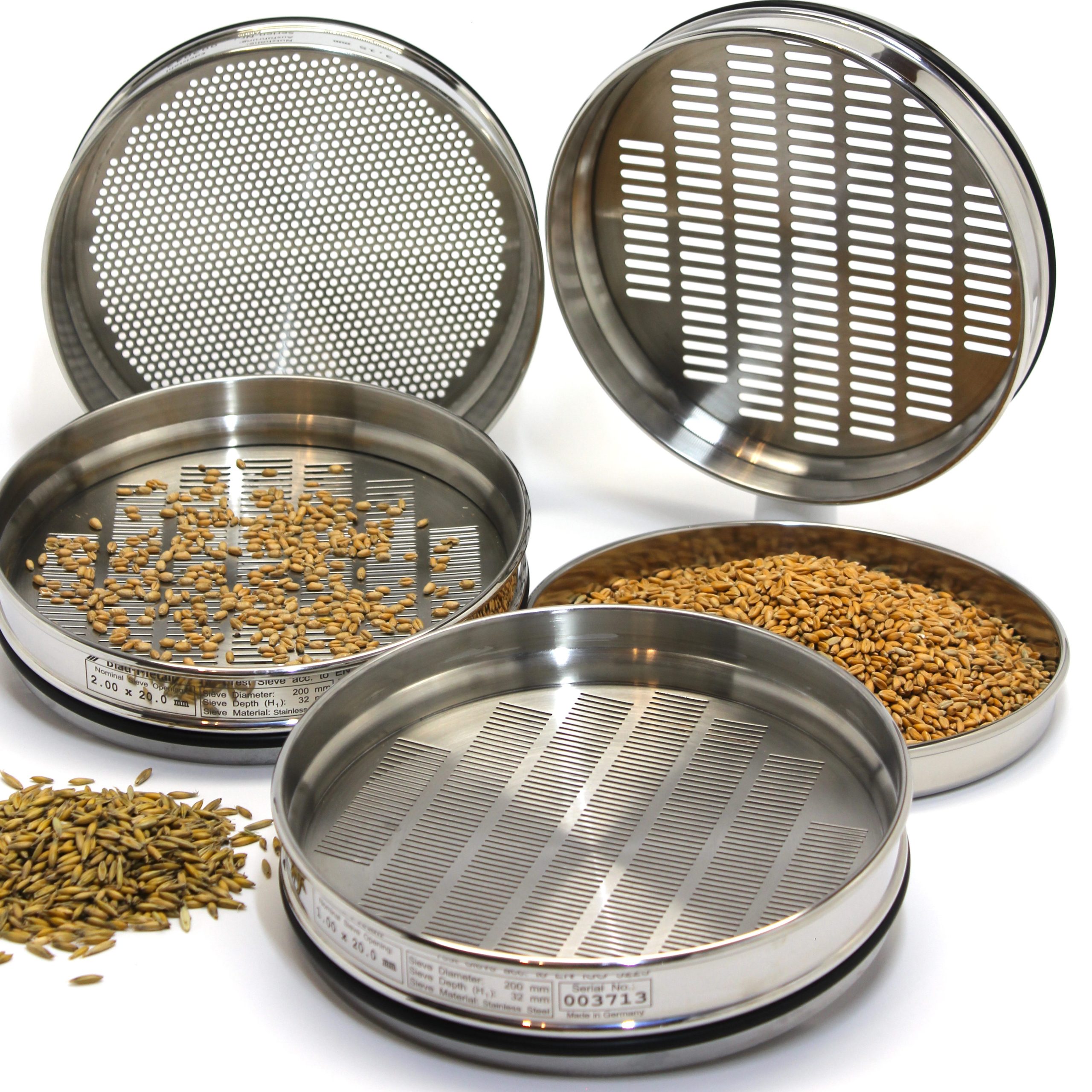
Sesame oil production enterprises use a double-layer screen structure, with 2.5mm sieve holes on the upper layer to remove large impurities such as straw and hemp shells, and 1.2mm sieve holes on the lower layer to separate fine sand and soil particles. The matching wind selection system removes light impurities through adjustable air volume (0-10m³/min), reducing the sesame impurity rate from 3.5% to below 0.15%. This process ensures the stability of the pressing process and reduces the generation of crude oil sediment.
In the field of peanut oil processing, the cleaning screen is adapted to raw materials with different impurity contents through frequency conversion control. When processing raw materials with an impurity rate of 5%, the equipment can automatically adjust the vibration frequency to 25Hz, and with a 10° screen surface inclination angle, it can achieve a processing capacity of 8 tons per hour, while maintaining a screening efficiency of more than 95%.
Safe grain storage and circulation quality inspection
In the grain storage link, the equipment uses a standard screen group (4.0/3.0/2.0mm) to detect impurities in raw materials such as wheat and corn, and combines it with an online particle size analysis system to generate an R-R distribution curve in real time. A grain depot application case shows that this process controls the total amount of impurities in the stored grain to within 0.7%, effectively delaying the deterioration of stored grain quality.
In the field of grain circulation, mobile cleaning screens are widely used in temporary purchasing points. The equipment adopts a folding screen frame design. After unfolding, the screening area reaches 1.5㎡. It is equipped with a diesel generator and can achieve a processing capacity of 15 tons per hour. By quickly changing the screen , it can meet the quality inspection needs of multiple varieties such as wheat, soybeans, and rapeseed.
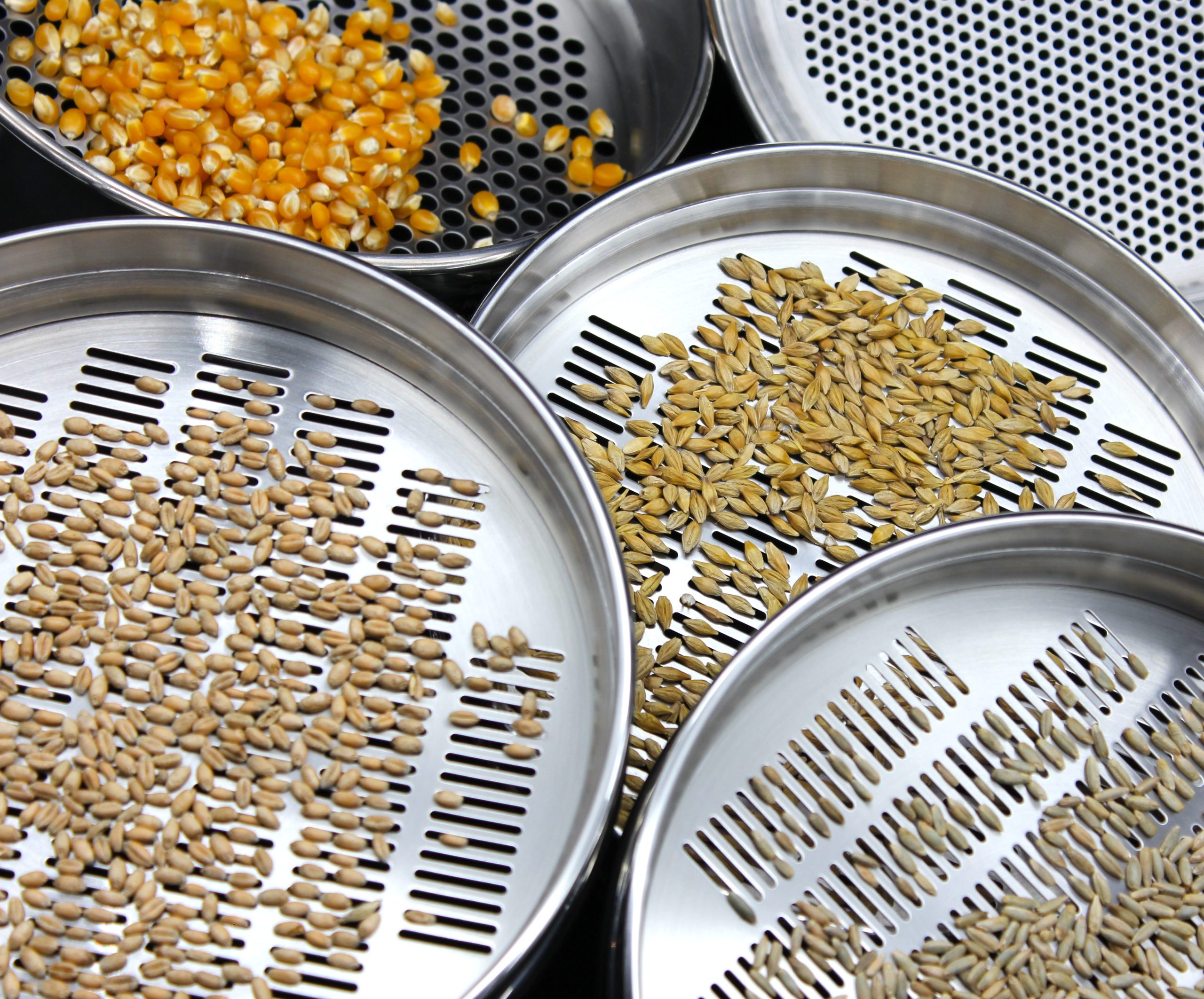
The application scope of grain cleaning screen covers grain processing enterprises, storage and logistics centers, scientific research and testing institutions and seed breeding enterprises. The equipment has the following three advantages: first, structural adaptability. The split screen frame and quick replacement device make the equipment compatible with a variety of screen specifications; second, processing flexibility. By adjusting the vibration frequency, inclination and amplitude parameters, the flow characteristics and screening requirements of different materials can be matched; third, precision controllability. The standardized screen and motion trajectory design ensure that the particle size test results are traceable.