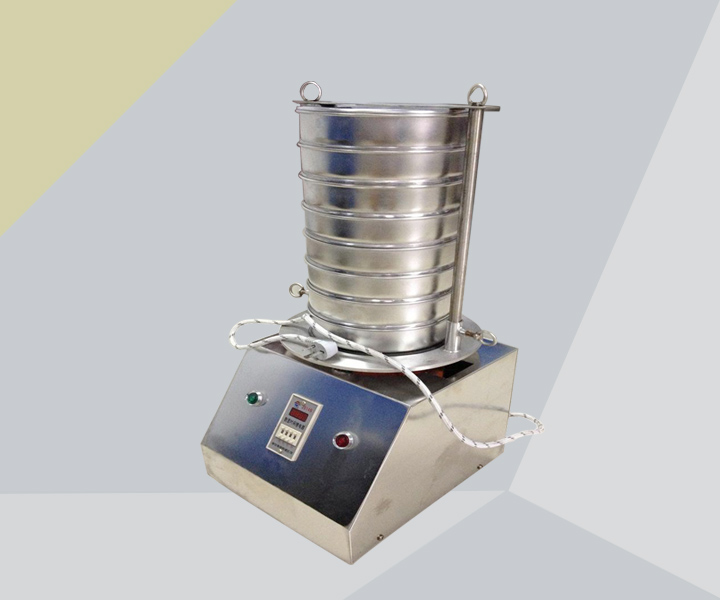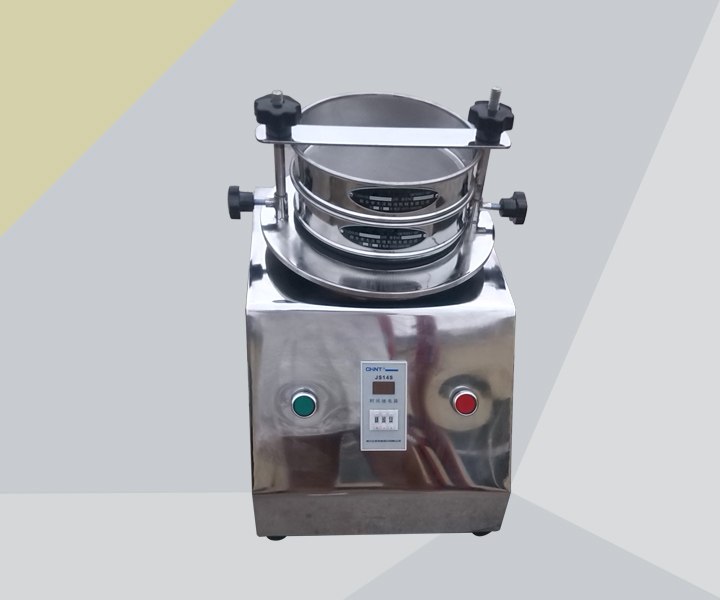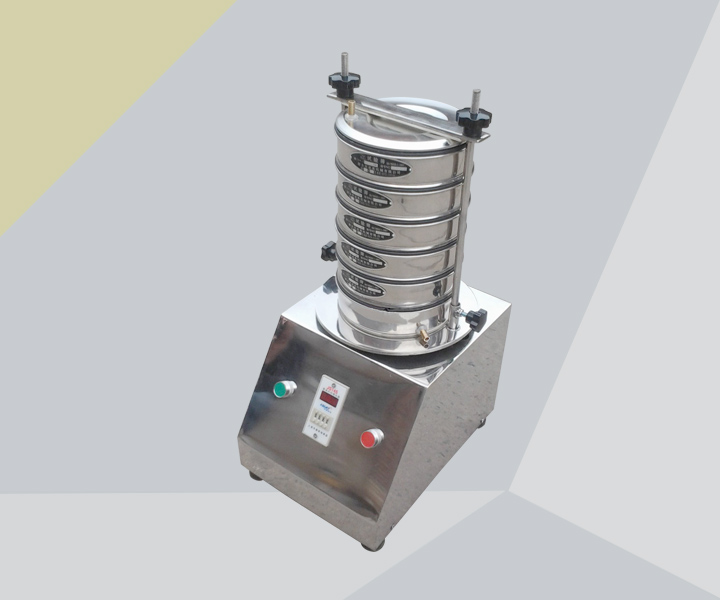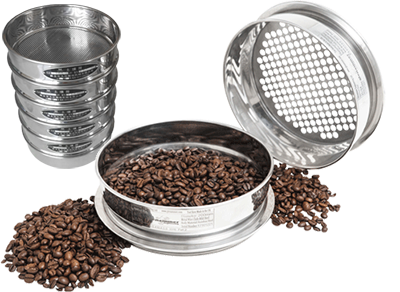
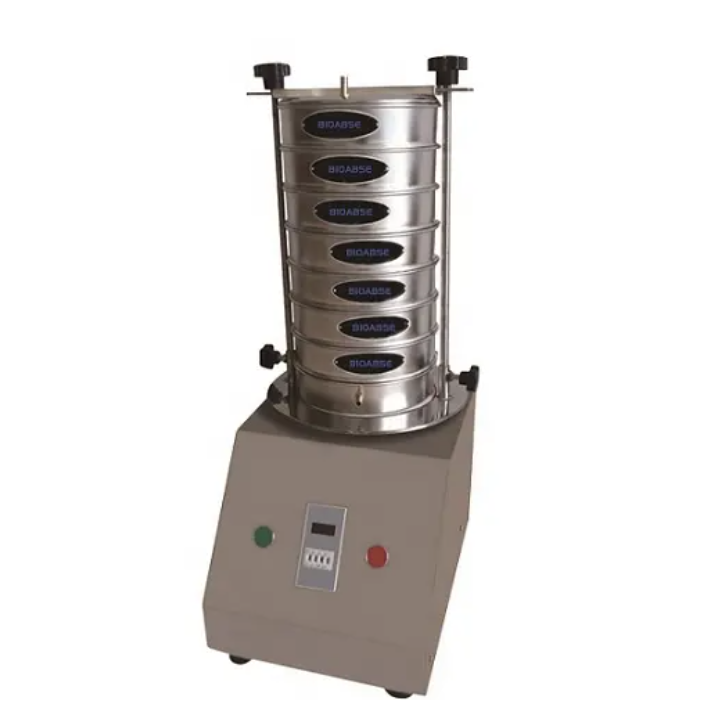
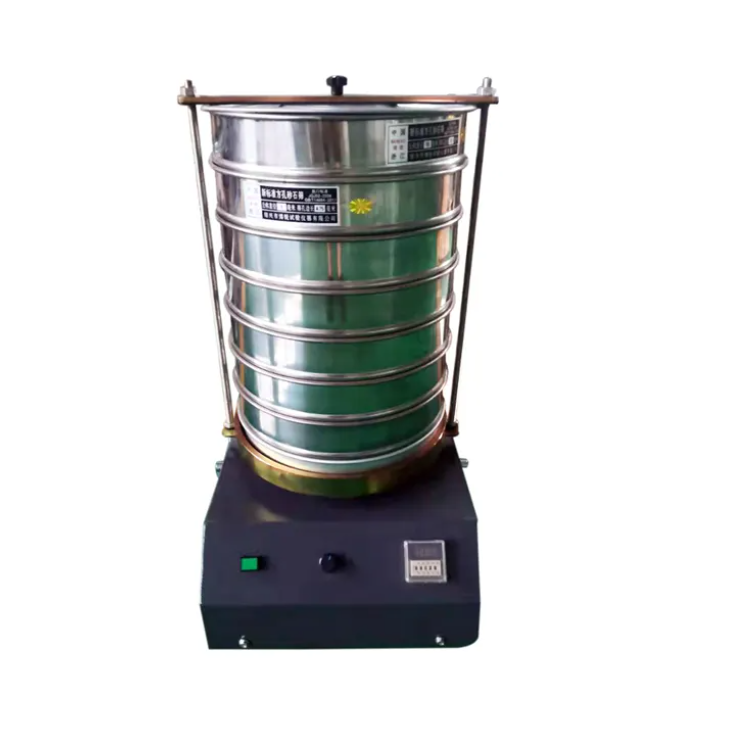
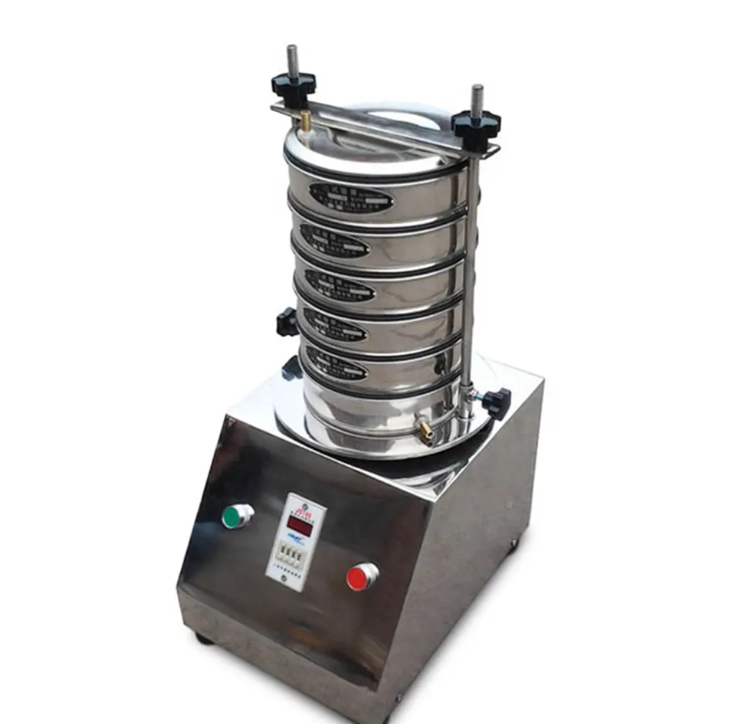
As a device for detecting granular materials, the Fertilizer sieving machine achieves the classification of fertilizer particles through the combination of mechanical vibration and screen. Its technical parameters are related to the physical properties of the fertilizer. Taking compound fertilizer as an example, its particle characteristics present three-dimensional characteristics: the particle size range is usually between 2-5mm, and the particle density fluctuates between 1.2-1.8g/cm³ due to differences in formula. The equipment screen can be made of 304 stainless steel, and the aperture tolerance is controlled within the range of ±2μm. It adopts three-dimensional composite vibration technology, the vibration frequency is adjustable within the range of 80-250rpm, and the vibration amplitude is continuously adjustable from 0-3mm, which effectively prevents particle breakage during the screening process.
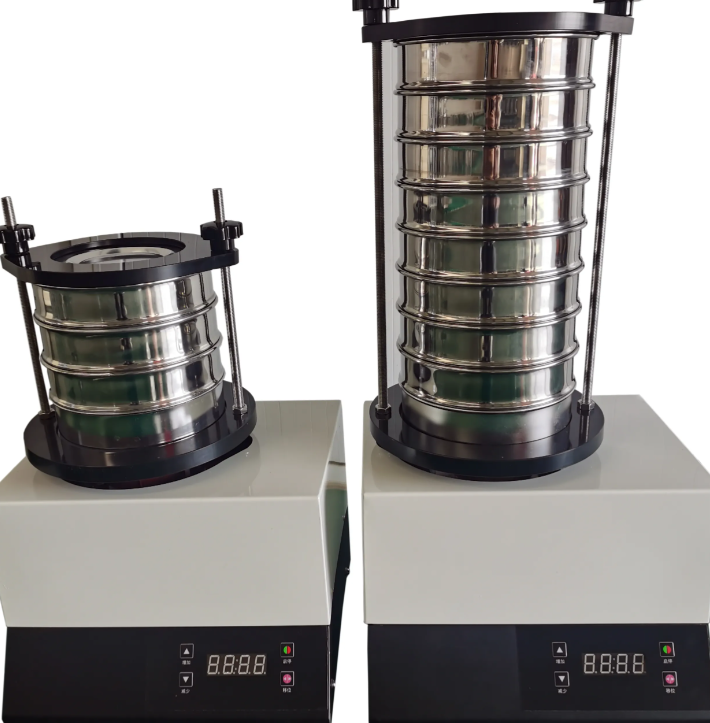
Structural composition and technical parameters
Screening system
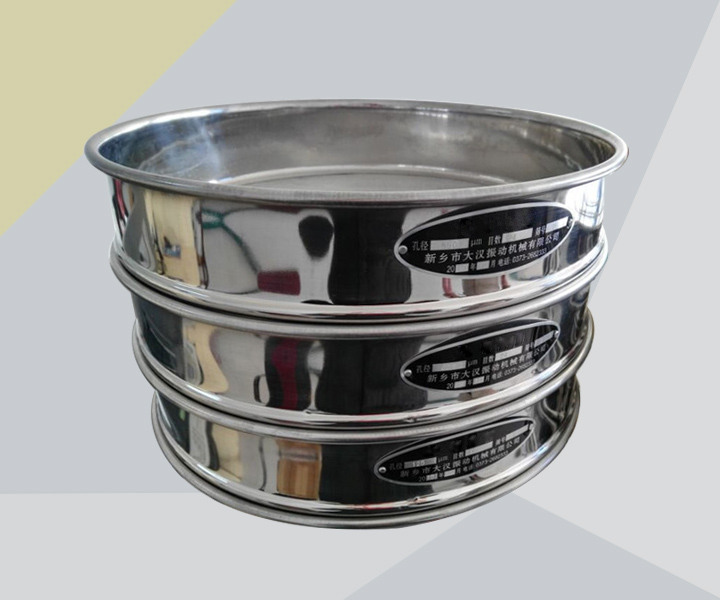
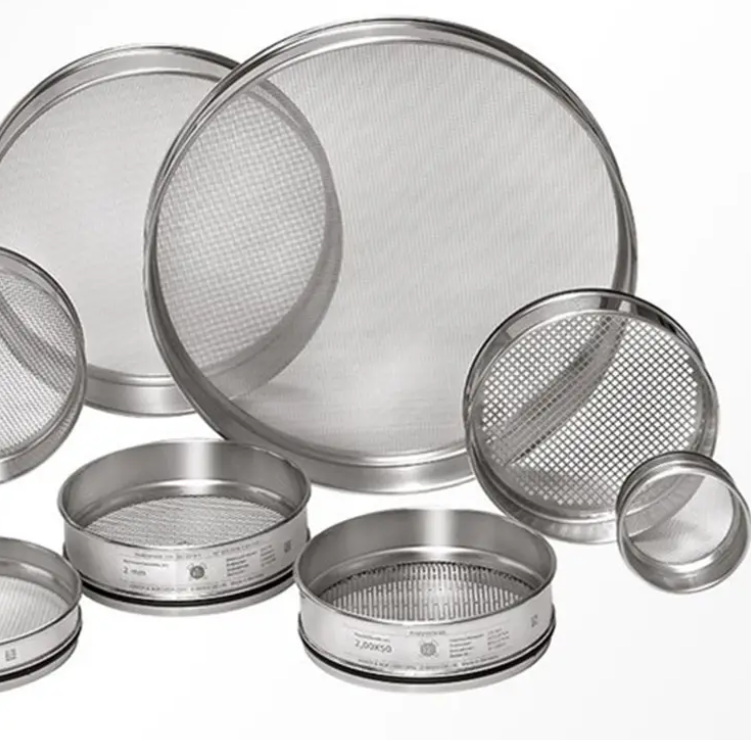
Screen frame assembly: It consists of 5 layers of nested screen frames, each layer of which has a diameter of 200mm and a height of 50mm. It is equipped with a quick locking device for sealing. The screen frame is made of 304 stainless steel and is corrosion-resistant.
Screen configuration: The standard set includes five apertures: 0.5mm, 1.0mm, 2.0mm, 3.35mm, and 4.75mm.
Drive device
Vibration motor: Rated power 180W, using a three-phase asynchronous motor, equipped with a frequency converter to achieve 80-250rpm stepless speed regulation. The vibration direction angle can be adjusted within the range of 30°-60° to adapt to the movement characteristics of different materials.
Transmission mechanism: The rotational motion is converted into three-dimensional vibration through the eccentric wheel device, and the mass error of the eccentric block is controlled at ±1g to maintain vibration balance.
Support system
Shock absorber: Four sets of high damping rubber springs, natural frequency 5Hz, vertical stiffness coefficient 25N/mm, horizontal stiffness coefficient 15N/mm, effectively isolating more than 95% of vibration transmission.
Base structure: The cast iron base weighs 35kg, equipped with M12 adjustable anchor bolts, and the flatness error is controlled within 0.1mm/m.
Typical application scenarios
Fertilizer R&D field
Formula verification: Optimize granulation process parameters through particle size distribution analysis, and establish a corresponding relationship model between particle size and nutrient release rate.
Slow-release performance test: Detect the effect of coating materials on particle integrity, and use accelerated aging test (temperature 40℃, humidity 90%RH) to simulate 2 years of natural storage conditions.
Compound fertilizer ratio study: Establish the corresponding relationship between different raw material ratios and particle size distribution to guide formula improvement.
Production quality control
Incoming material inspection: Detect the uniformity of raw material particles and prevent production blocking accidents. Key control points include particle size variation coefficient (CV<5%) and impurity content (<0.1%).
Process sampling: Real-time monitoring of the particle size distribution of the granulator output, and use an online detection system to achieve sampling and analysis every 15 minutes.
Finished product inspection: The inspection items include particle size distribution, compressive strength, moisture content, etc.
Agricultural technical services
Soil conditioner adaptability test: Analyze the release characteristics of fertilizers of different particle sizes in specific soil types, and establish a regression model between soil permeability and particle size.
Fertilizer machinery matching verification: Provide matching particle size data for seeders and fertilizer spreaders. Key parameters include the coefficient of variation of fertilizer spreading uniformity (CV < 8%) and spreading distance (adjustable from 5 to 15 m).
Field test support: Conduct positioning tests on the relationship between fertilizer utilization and particle size, and set three particle size levels (< 1 mm, 1-3 mm, > 3 mm) for comparative studies.
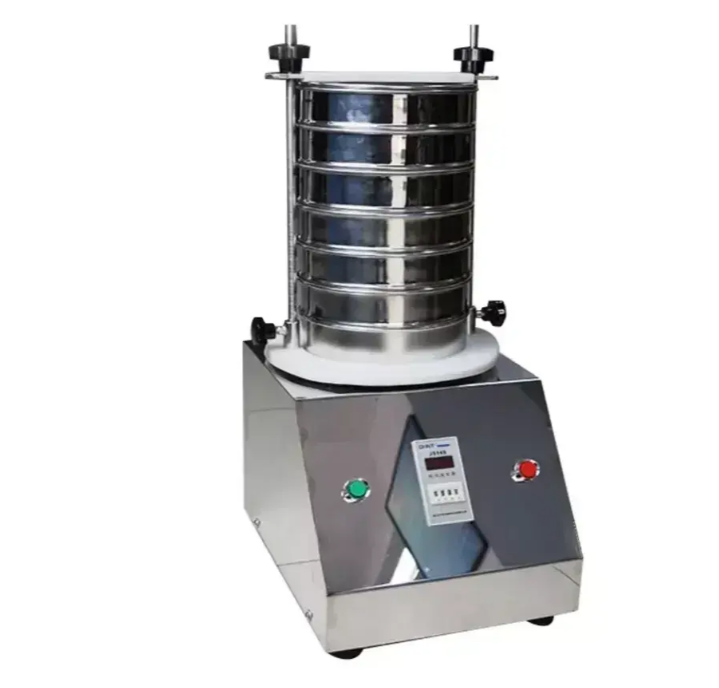
The core advantages of Fertilizer sieving machine lie in modular design, automated control and adaptability to complex material characteristics. During operation, the three-dimensional composite vibration technology causes the particles to move in a throwing motion, effectively reducing screen blockage and improving screening efficiency. The modular screen frame and adjustable parameter design enable it to be compatible with the detection requirements of different particle size specifications, while the multiple protection mechanisms integrated in the control system ensure the stability of the equipment operation.