How to Choose the Right Test Sieve
Monday October-12 2026 14:01:18
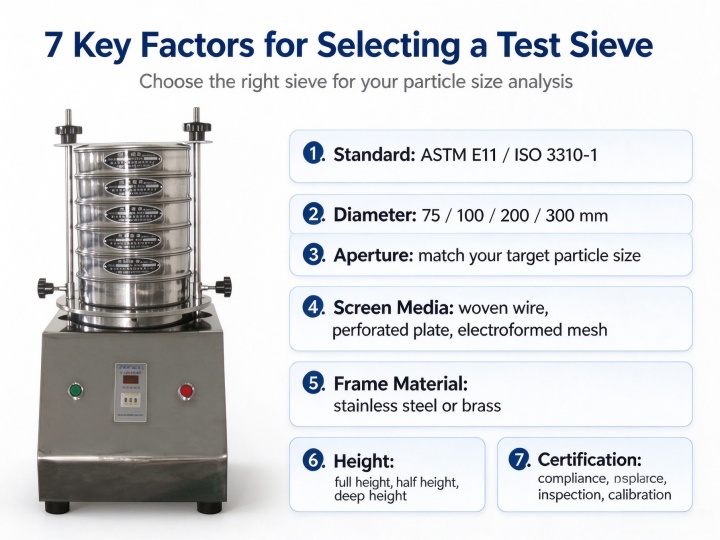
Choosing the right test sieve is critical to ensuring accurate, repeatable, and comparable particle size analysis results. With thousands of combinations of frame diameter, mesh size, frame material, and certification level available, selecting the wrong sieve can lead to inconsistent data, wasted material, and failed compliance audits. This guide covers seven key factors to help you specify the right test sieve for your application.
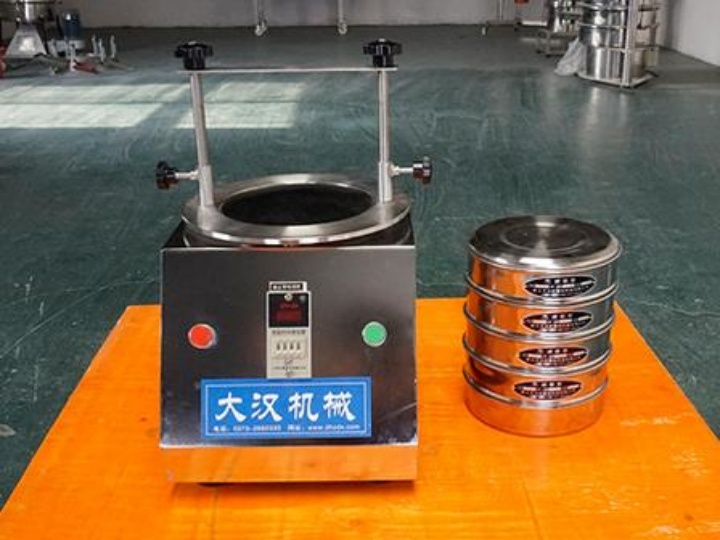
How Test Sieves Work
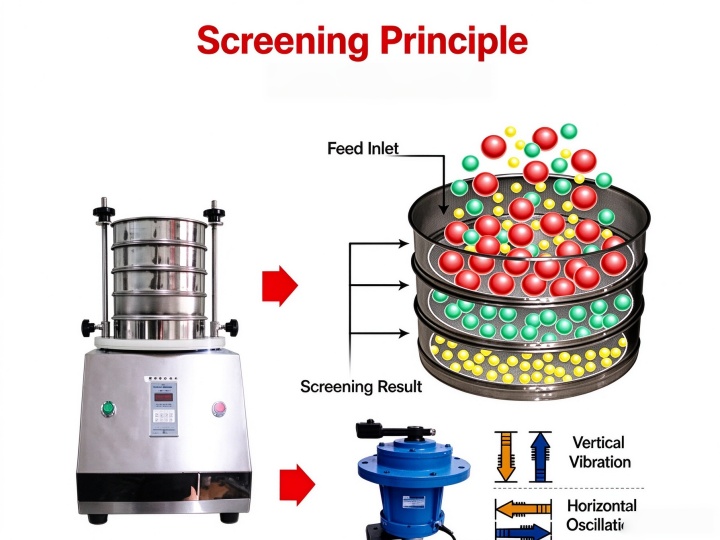
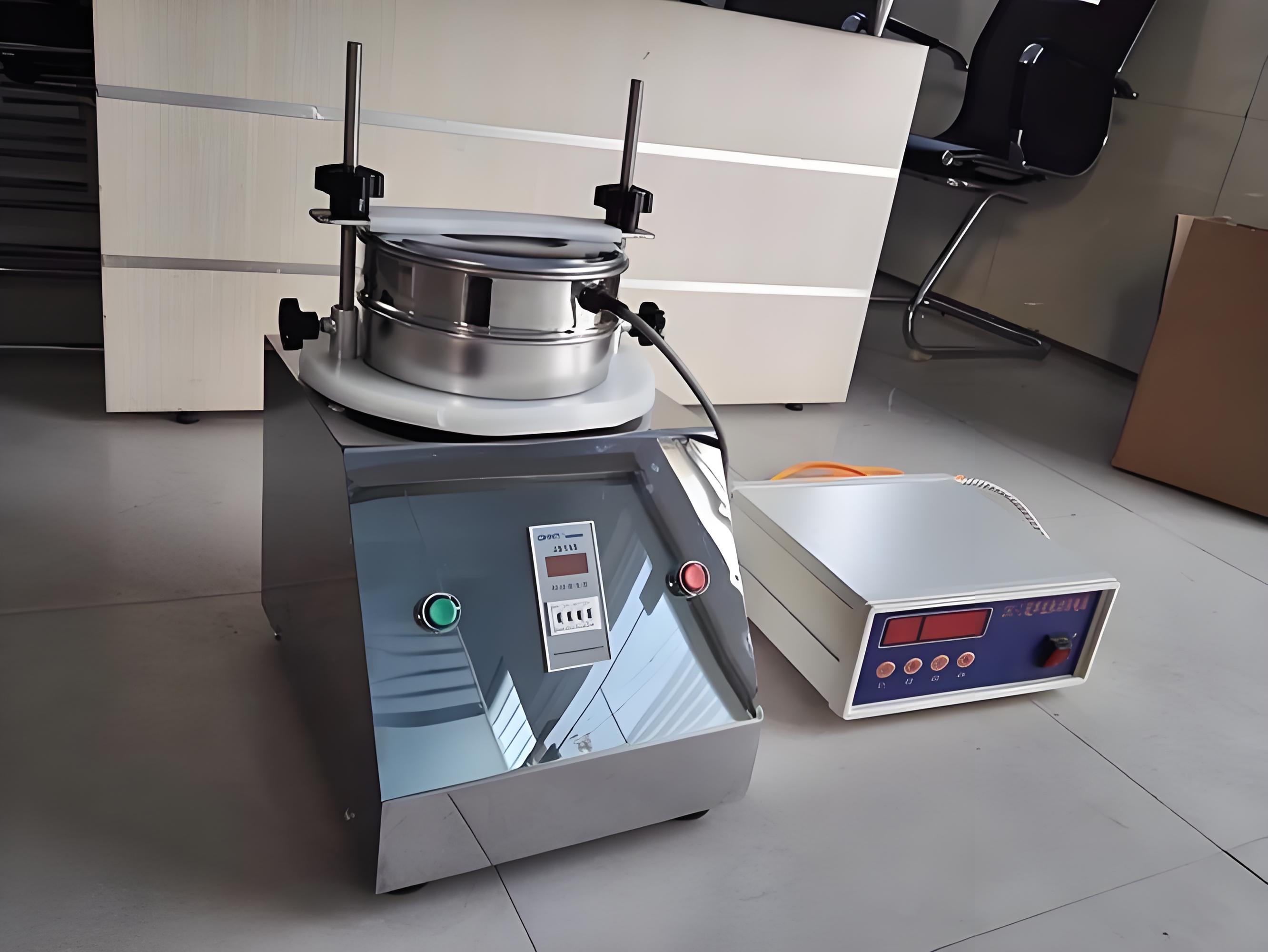
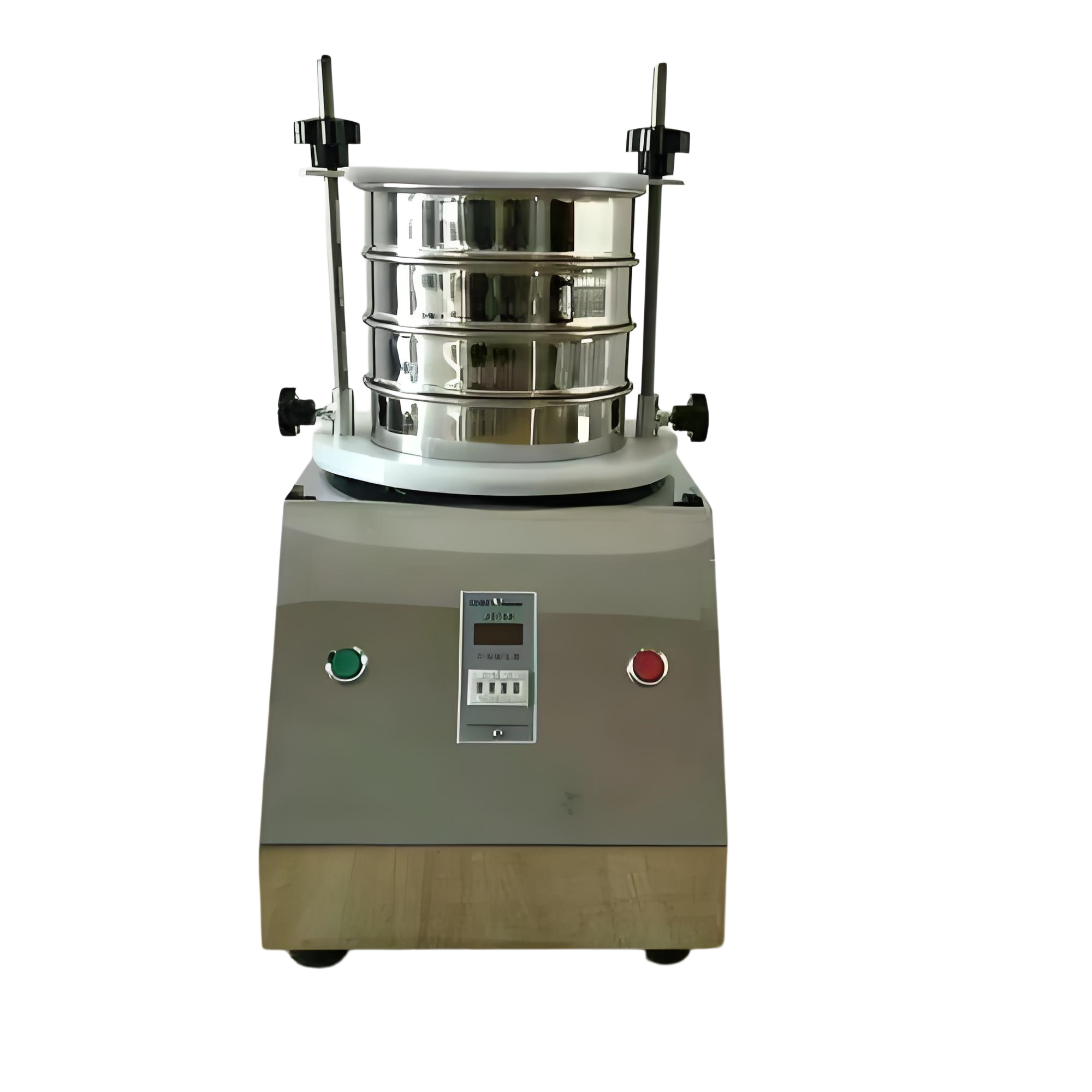
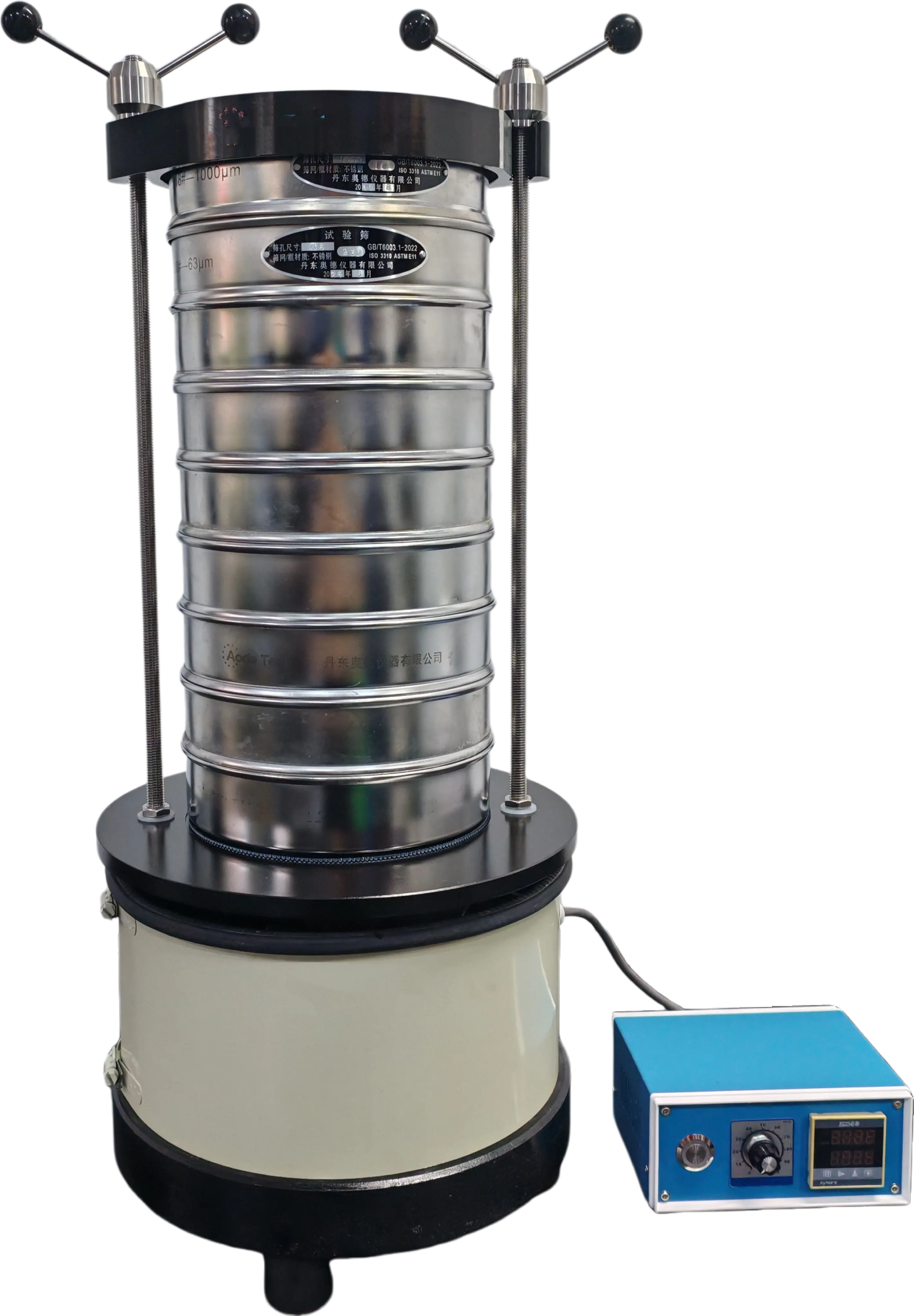
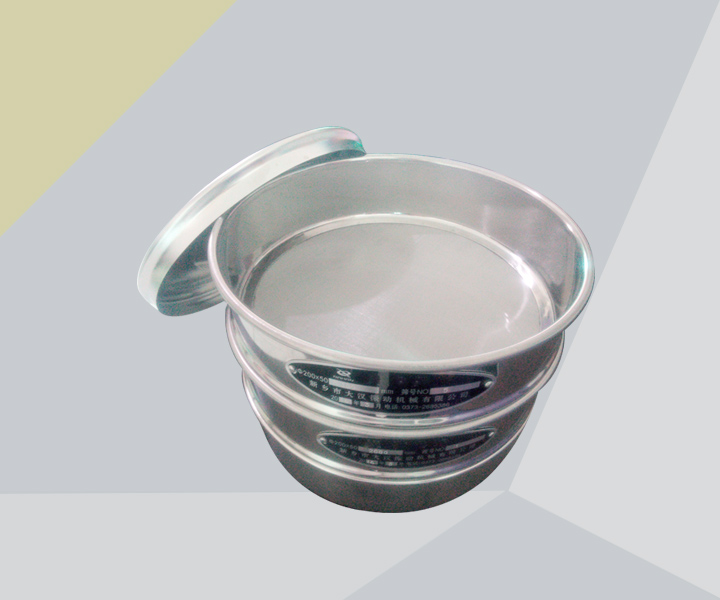
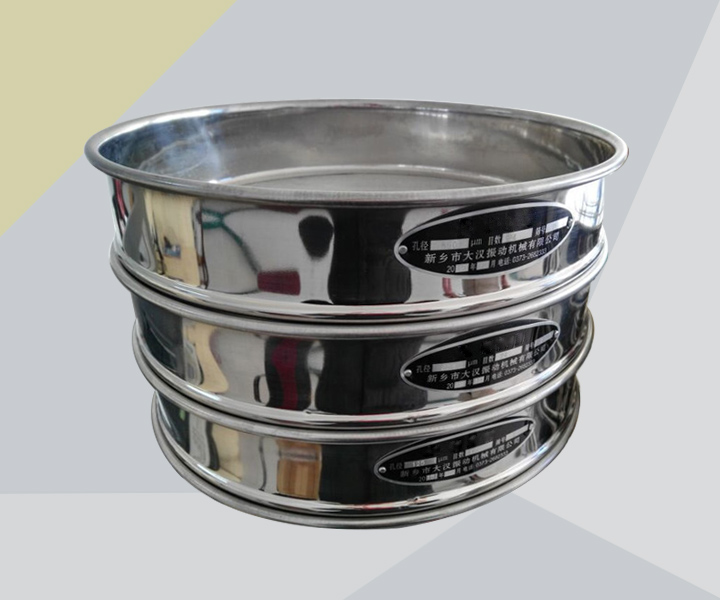
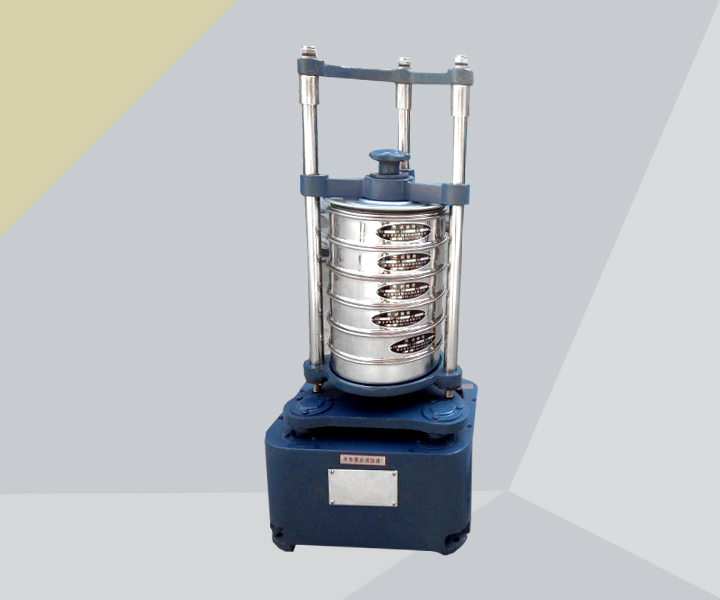
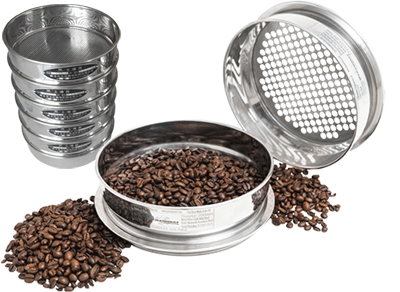
A test sieve operates on a simple principle: particles smaller than the mesh openings pass through, while larger particles are retained. In practice, a stack of sieves with progressively smaller openings is arranged with the largest mesh at the top and a collection pan at the bottom. The material is placed on the top sieve, and the entire stack is agitated using a sieve shaker. Particles fall through the mesh until they are retained on a sieve with openings smaller than their diameter.
The accuracy of the result depends on the precision of the mesh openings, the compatibility between the sieve and the shaker, and the appropriateness of the sieve for the specific material being tested.
7 Key Factors for Choosing a Test Sieve
Determine the Applicable Standard
Two primary international standards govern test sieve specifications: ASTM E11 (predominant in North America) and ISO 3310-1 (used widely in Europe, Asia, and other regions). ASTM E11 defines sieve opening sizes based on the fourth root of two (√√2), with three grades: Compliance, Inspection, and Calibration. ISO 3310-1 covers metal wire cloth sieves; ISO 3310-2 covers perforated plate sieves.
Decision rule: If your lab operates under a specific regulatory framework, your choice is determined. For general work, ISO 3310-1 and ASTM E11 sieves are largely interchangeable for common aperture sizes.
Select the Frame Diameter Based on Sample Volume
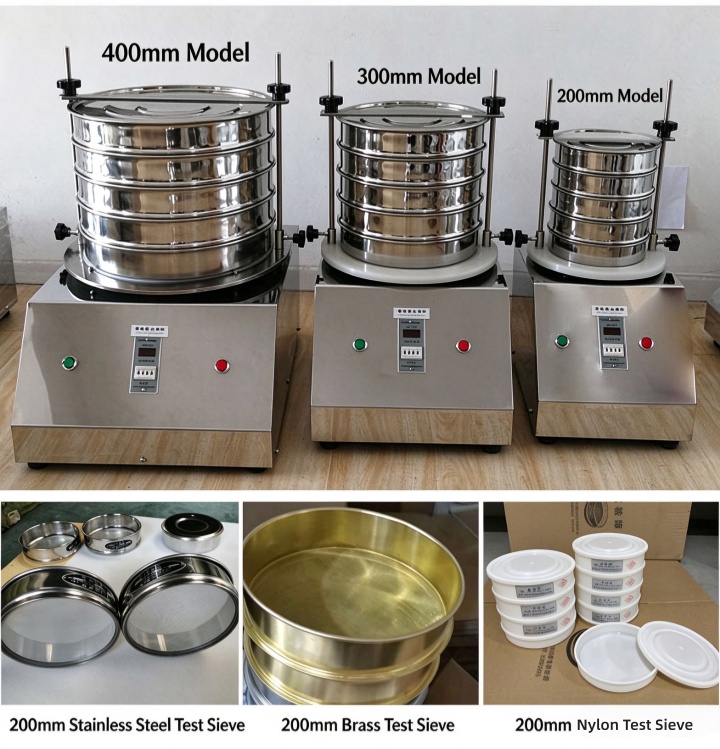
Common standard diameters include 75mm, 100mm, 200mm, 300mm, and larger formats up to 500mm.
- 200mm is the most widely used size for general laboratory work.
- 300mm is common for aggregates and larger sample volumes, handling up to approximately 3000g.
- 75mm and 100mm are best for small or precious samples where minimizing loss is critical.
Decision rule: Standard lab work → 200mm. Coarse aggregates or large volumes → 300mm. Precious or limited samples → 75mm or 100mm.
Match the Mesh Size to Your Target Particle Range
The mesh opening directly defines the particle size threshold. Woven wire mesh sieves can separate materials from 150mm down to 5µm. The practical lower limit for standard dry sieve analysis is approximately 38 microns. Below this size, particles tend to clump due to static electricity and moisture, and alternative methods such as laser diffraction are typically required.
Decision rule: For dry sieving, stay above 38µm. Below 38µm, consider wet wash sieving or alternative methods.
Choose the Right Mesh Type
- Woven wire mesh is the most common type, used from fine powders up to small granules, specified by mesh number or nominal aperture size.
- Perforated plate sieves are used for coarser materials like gravel and aggregates, specified by hole diameter in millimeters.
- Electroformed mesh offers extremely precise openings for very fine sizes, typically 5µm to 500µm.
Decision rule: Particle size above 4mm → perforated plate. Below 4mm → woven wire mesh. Very fine particles requiring maximum precision → electroformed mesh.
Select Frame Material: Stainless Steel vs. Brass
Stainless steel (304 or 316L) is the industry default for nearly all precision applications. It is durable, resists corrosion and abrasion, is easy to clean, and minimizes sample contamination. For pharmaceutical and food applications, stainless steel is the standard choice. AISI 304 sieve frames withstand temperatures below 300°C.
Brass frames are more economical but softer and prone to corrosion, making them unsuitable for many food, pharmaceutical, and chemical applications. Brass sieves are only recommended when testing materials that can spark, due to brass being non-sparking.
Decision rule: For most applications → stainless steel. For spark-sensitive materials → brass.
Choose the Correct Frame Height
- Full height (typically 50mm for 200mm sieves, 75mm for 300mm) is standard for most dry sieving.
- Half height (typically 25mm for 200mm sieves) is useful when stacking many sieves, reducing overall stack height and weight.
- Extra depth (100mm or more) is used for wet wash sieving.
Decision rule: Standard dry sieving → full height. Large stacks → half height. Wet washing → extra depth.
Determine the Certification Level Required
ASTM E11 provides three grades:
- Compliance grade — supplied with a certificate of conformance. Suitable for routine quality control.
- Inspection grade — supplied with documentation including serial number, maximum and minimum opening sizes, range, and standard deviation. Suitable for most laboratory applications requiring traceability.
- Calibration grade — provides more detailed inspection data with twice as many apertures measured. For pharmaceutical, R&D, or regulatory submissions.
Decision rule: Routine QC → Compliance. General lab analysis → Inspection. Pharmaceutical or regulatory → Calibration.
Quick Comparison: Key Specifications at a Glance
| Specification | Options | Primary Consideration |
|---|---|---|
| Standard | ASTM E11 / ISO 3310-1 | Regulatory requirement and region |
| Frame Diameter | 75mm, 100mm, 200mm, 300mm, 400mm | Sample volume and particle size range |
| Mesh Size | 150mm down to 5µm | Target particle size to be separated |
| Mesh Type | Woven wire / Perforated plate / Electroformed | Particle size range and material properties |
| Frame Material | Stainless steel 304/316L / Brass | Durability, corrosion resistance, hygiene |
| Frame Height | Full height / Half height / Extra depth | Sample volume and wet/dry method |
| Certification | Compliance / Inspection / Calibration | Accuracy requirement and documentation |
Application Scenarios
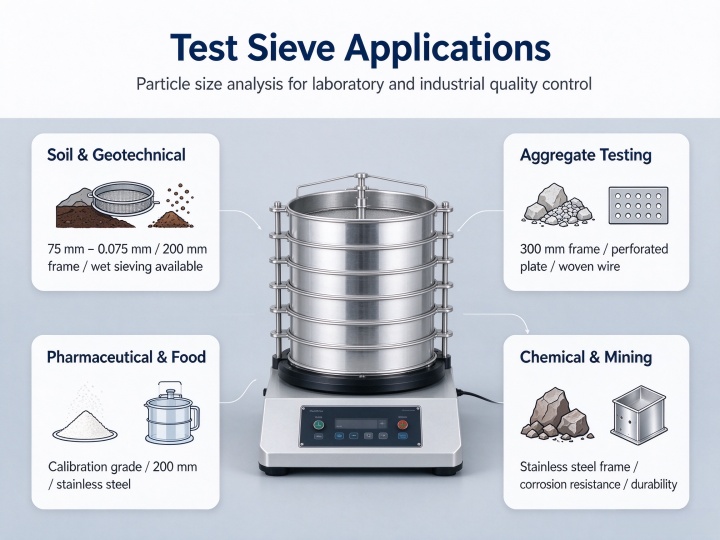
Soil and Geotechnical Testing: Standard sieve stack from 75mm down to 0.075mm (No. 200). The 200mm diameter frame is most widely used. Wet wash sieving is essential for materials with fine silt and clay.
Aggregate Testing (ASTM C136): Requires larger sample volumes, making the 300mm diameter frame standard. Perforated plate sieves handle coarse fractions (4.75mm and above); woven wire sieves handle finer fractions.
Pharmaceutical and Food Powder Analysis: Requires the highest accuracy and documentation standards. Calibration grade sieves with 200mm diameter and stainless steel construction are recommended. For food powders, 316L stainless steel may be preferred.
Chemical and Mining Applications: Chemical powders may require stainless steel to prevent contamination and resist corrosion. Mining applications often involve abrasive materials, where stainless steel frames are essential. For high-temperature materials, stainless steel frames withstand temperatures below 300°C.
Common Mistakes to Avoid
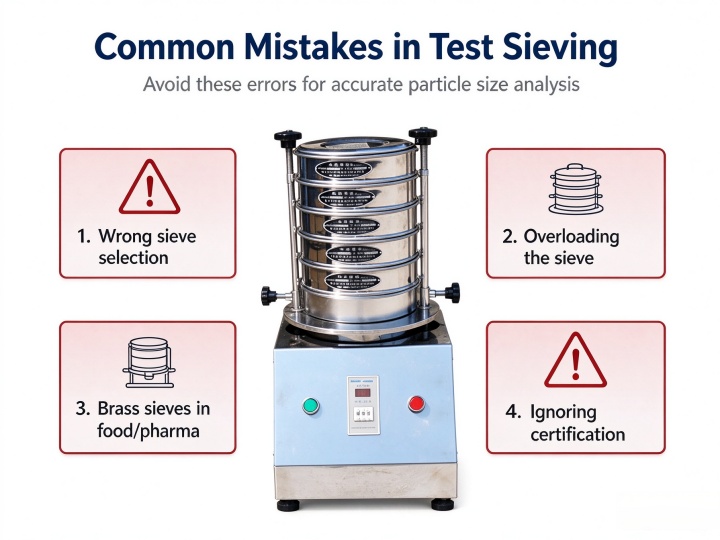
Selecting mesh size in isolation. The sieve, sample size, and agitation method must all be compatible with each other and appropriate for the material being tested.
Overloading the sieve. Placing too much material on a sieve prevents particles from separating correctly, leading to inaccurate measurements.
Using brass sieves for food or pharmaceutical applications. Brass can introduce contamination and is not suitable for hygienic applications.
Ignoring certification requirements. Using a Compliance grade sieve when an Inspection or Calibration grade is required can invalidate results.
Selecting the right test sieve involves seven key decisions: the applicable standard, frame diameter, mesh size, mesh type, frame material, frame height, and certification level. The most important principle is to select the sieve as part of an integrated system, considering not just the sieve itself, but also your sample material, the agitation method, and the governing standard.
For most general laboratory applications, a 200mm stainless steel woven wire sieve with Inspection grade certification provides an excellent balance of versatility, durability, and traceability.
Do you want to know the output? model? price? Please click (inside product page) or online consultation to learn more.
Dahan can also customize it for you according to your needs. Come and get the design that suits you.
Kon Leung, Ph.D.
Staff Simulation Engineer at BISSELL Homecare, Inc.