Electromagnetic vs Ultrasonic Sieve Shaker: Which One Should You Choose?
Thursday August-20 2026 13:37:21
```htmlElectromagnetic and ultrasonic sieve shakers are both used for laboratory particle size analysis, but they address different screening problems.
For materials that pass through the selected test sieve normally, electromagnetic screening can provide controlled particle separation and multi-layer classification. When fine particles become trapped in the mesh, create static adhesion, form agglomerates, or repeatedly cause mesh blinding, ultrasonic assistance may be more appropriate.

Key point: Particle size alone does not determine the right technology. Material behavior and actual mesh performance are equally important.
Electromagnetic vs Ultrasonic Sieve Shaker: Quick Answer
The material is relatively free-flowing.
Routine particle size analysis is the main requirement.
Several particle-size fractions are required.
Multiple test sieves are used in one analysis.
The mesh remains reasonably clear during screening.
Fine powder repeatedly blocks the mesh.
Particles remain inside fine sieve apertures.
Static electricity causes particle adhesion.
The material is cohesive or prone to agglomeration.
Conventional screening becomes inconsistent because of mesh blinding.
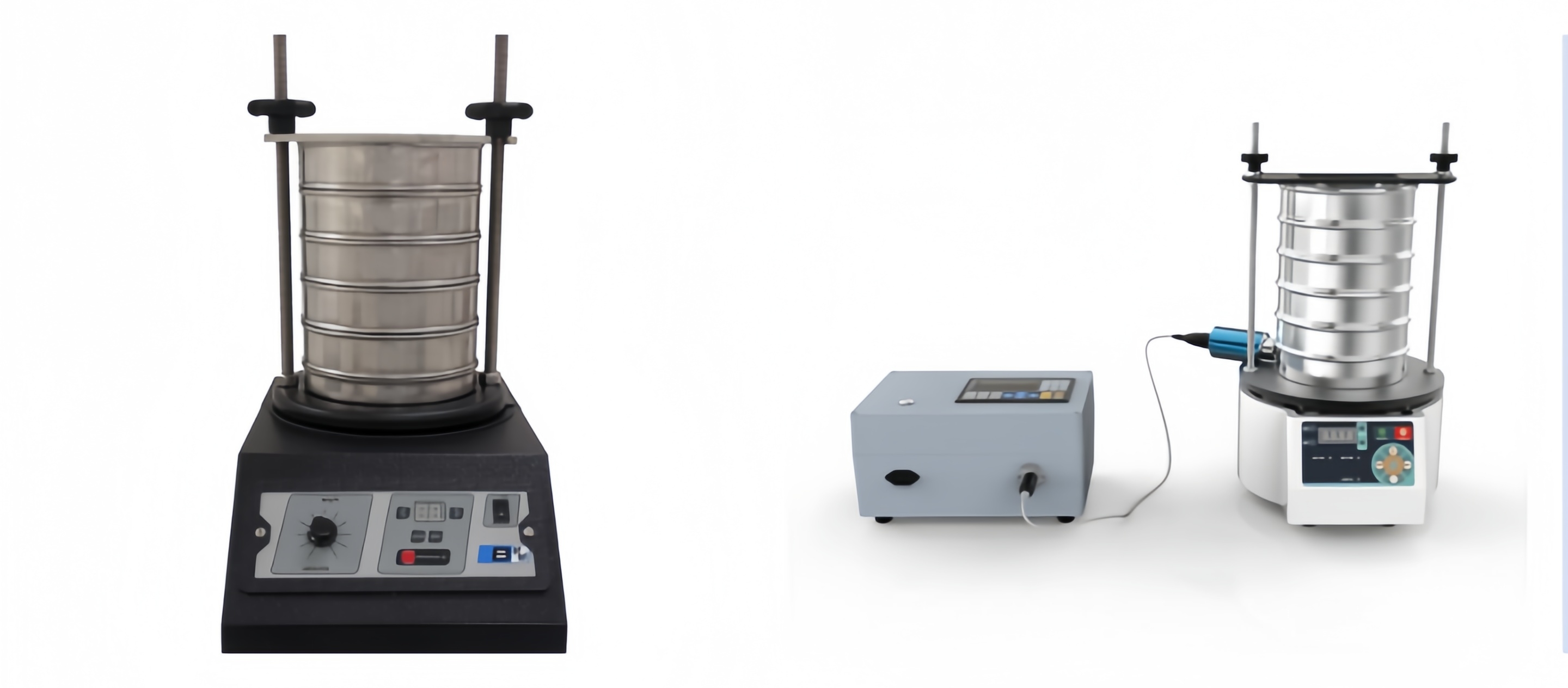
A current Dahan configuration supports multiple sieve layers and a stated particle-size range of 75–2000 μm. Current ultrasonic sieve systems are intended for fine-powder screening where mesh blockage and difficult particle behavior can limit conventional screening.
Fine particle size alone does not automatically mean ultrasonic screening is necessary.
Electromagnetic vs Ultrasonic Sieve Shaker: Quick Comparison
| Screening Condition | Electromagnetic | Ultrasonic |
|---|---|---|
| Routine particle size analysis | Strong choice | Suitable |
| Free-flowing material | Strong choice | Suitable |
| Multi-layer screening | Strong advantage | Suitable |
| Several particle-size fractions | Strong advantage | Suitable |
| Fine powder with normal mesh passage | May be sufficient | May be unnecessary |
| Fine powder with mesh blockage | May be limited | Strong advantage |
| Static or cohesive powder | May require additional measures | Better suited |
| Existing shaker with mesh blockage | May remain suitable | Consider ultrasonic deblinding |
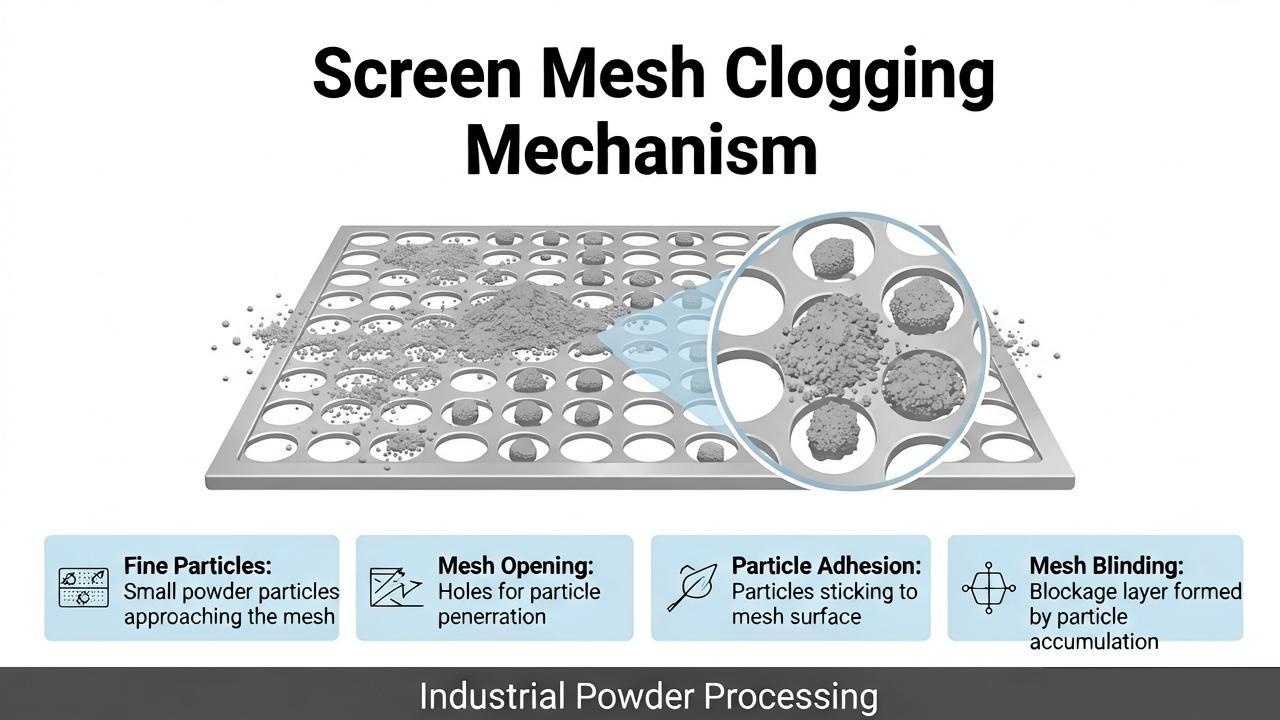
The fundamental difference is simple: electromagnetic screening is primarily suited to controlled particle separation, while ultrasonic assistance becomes more valuable when the sieve mesh itself is limiting screening performance.
Electromagnetic Sieve Shaker: When Is It the Better Choice?
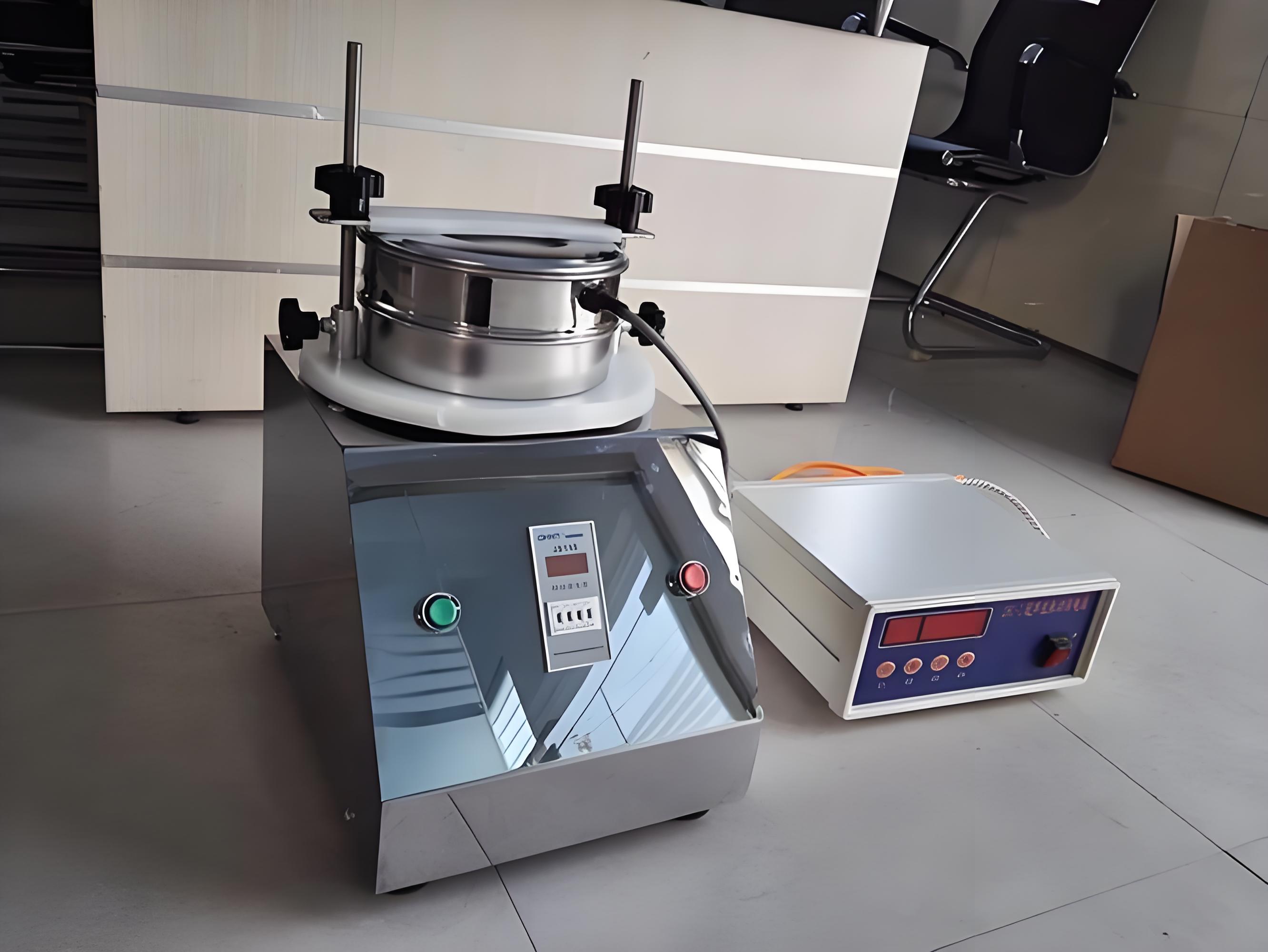
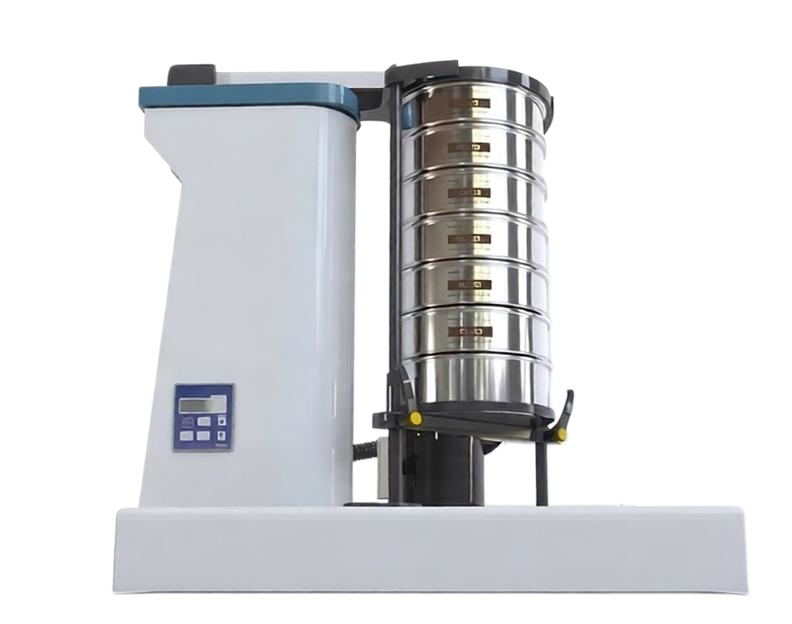
An electromagnetic sieve shaker generates controlled vibration through an electromagnetic drive. It is particularly practical for routine particle-size analysis and multi-layer screening.
A current configuration supports up to eight sieve layers. Choose this approach when the material passes through the selected sieve normally, several size fractions are required, and the mesh remains reasonably clear.
For more information, see the Electromagnetic Sieve Shaker product page.
Ultrasonic Sieve Shaker Technology: When Is It Useful?
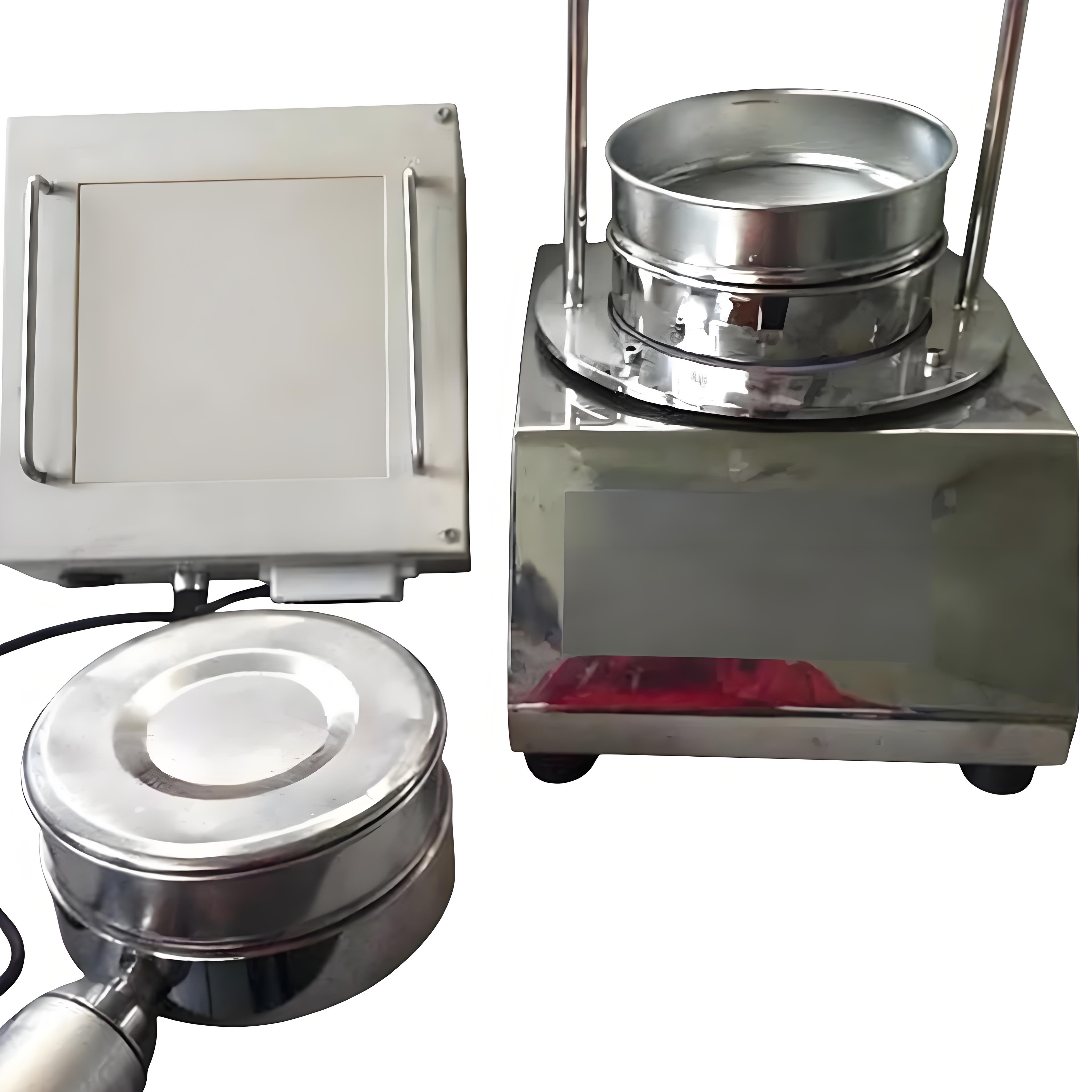
Ultrasonic screening adds high-frequency vibration to the sieve mesh and is particularly useful when fine particles adhere to the mesh or become lodged in small apertures.
Fine powders can be affected by cohesion, static electricity, adhesion, and agglomeration. When these effects cause mesh blinding, the effective screening area decreases.
For applications focused specifically on mesh blockage, see the Ultrasonic Deblinding System for Test Sieves.
Which Screening Problem Are You Trying to Solve?
The Material Passes Through the Sieve Normally
If particles move across the mesh and pass through the required apertures without significant accumulation, electromagnetic screening is generally sufficient. There is little reason to add ultrasonic assistance when conventional screening already provides stable results.
Fine Powder Blocks the Mesh
If particles progressively fill the sieve openings, the effective screening area decreases. Typical signs include material accumulation, slower fine-particle passage, frequent manual cleaning, and inconsistent screening results.
When mesh blockage is the main limitation, ultrasonic assistance becomes more relevant.
Static Electricity or Cohesion Causes Adhesion
Dry fine powders may become electrostatically charged or strongly cohesive during handling and screening. Particles can then remain on the sieve surface or lodge in the apertures. When this repeatedly affects screening performance, ultrasonic mesh excitation may provide a more suitable solution.
Several Particle-Size Fractions Are Required
If the main objective is to divide one sample into several size ranges, multi-layer electromagnetic screening can be practical. A current configuration supports up to eight sieve layers, allowing several fractions to be collected during one analysis.

Do You Need a New Sieve Shaker or Ultrasonic Deblinding?
A mesh-blockage problem does not always mean that the complete sieve shaker needs to be replaced.
If the existing equipment already provides the required sieve diameter, sample capacity, number of layers, and general particle movement, but the fine mesh repeatedly becomes blocked, ultrasonic deblinding may be worth evaluating.
Where the configuration allows it, ultrasonic deblinding can be added to an existing sieve arrangement so that the mesh problem is addressed without replacing the complete screening setup.
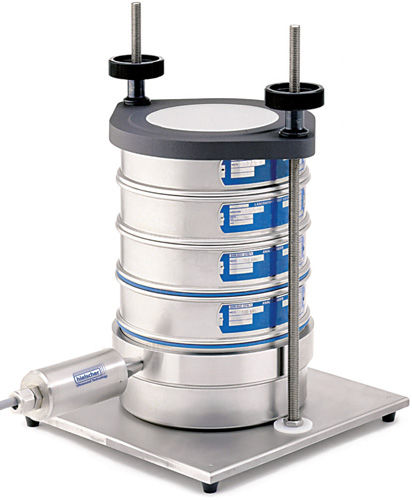
Experiencing repeated fine-mesh blockage? Consider an ultrasonic deblinding solution before replacing the complete setup.
How to Choose the Right Sieve Shaker
When requesting equipment advice, provide the material, target particle size, sieve mesh, sample quantity, number of fractions, and current screening problem.
Frequently Asked Questions
Can I Use an Electromagnetic Sieve Shaker for Fine Powder?
Yes. Fine particle size alone does not mean ultrasonic screening is required. If the powder passes through the selected mesh without significant blockage, electromagnetic screening may be sufficient.
When Does Fine Powder Require Ultrasonic Deblinding?
It becomes more relevant when fine powder repeatedly blocks the mesh, adheres to the sieve surface, creates static-related problems, or causes inconsistent screening results.
Which One Should You Choose?
For routine particle-size analysis, free-flowing materials, multi-layer testing, and applications where the mesh remains open, electromagnetic screening is often the simpler choice.
When fine particles repeatedly block the mesh, static or cohesion causes adhesion, or conventional screening becomes inconsistent, ultrasonic assistance becomes more relevant.
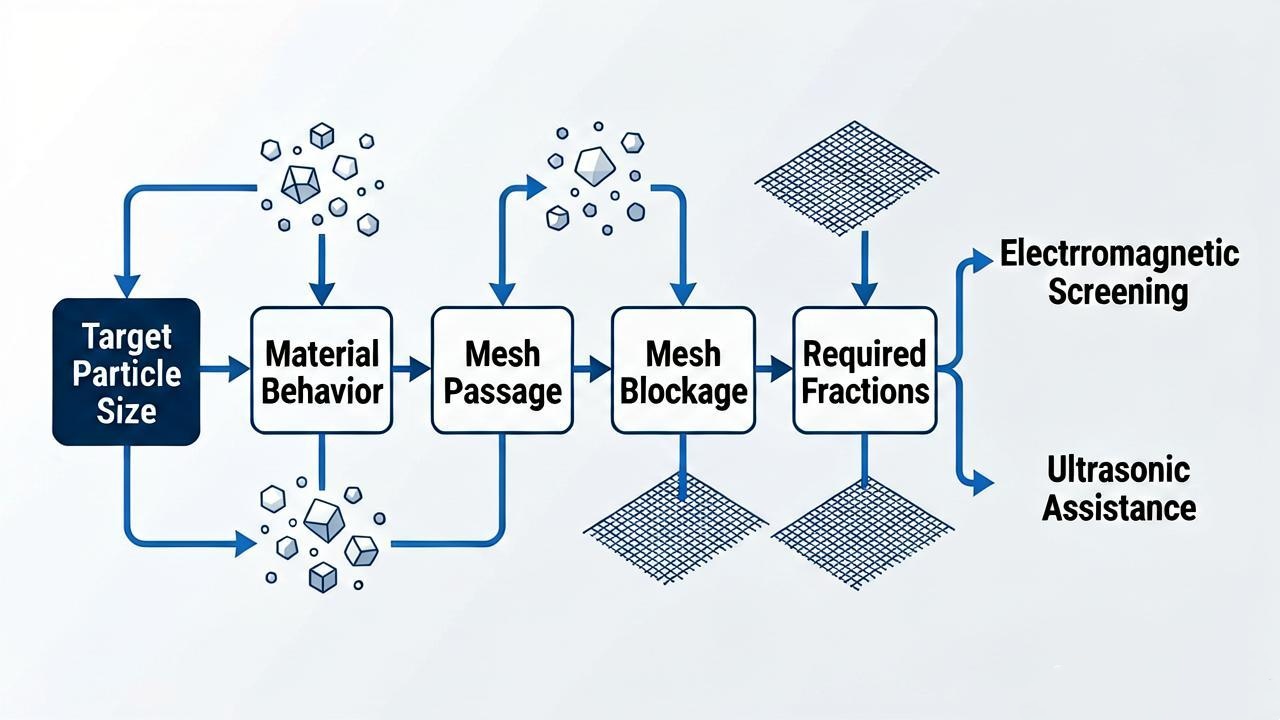
The central principle of Electromagnetic vs Ultrasonic Sieve Shaker selection:
Do not choose ultrasonic screening simply because the particle size is small. Choose it when the material's behavior makes conventional screening difficult.
Send your material, target particle size, sieve mesh, sample quantity, number of fractions, and current screening problem for a suitable recommendation.
Do you want to know the output? model? price? Please click (inside product page) or online consultation to learn more.
Dahan can also customize it for you according to your needs. Come and get the design that suits you.
Kon Leung, Ph.D.
Staff Simulation Engineer at BISSELL Homecare, Inc.