Introduction
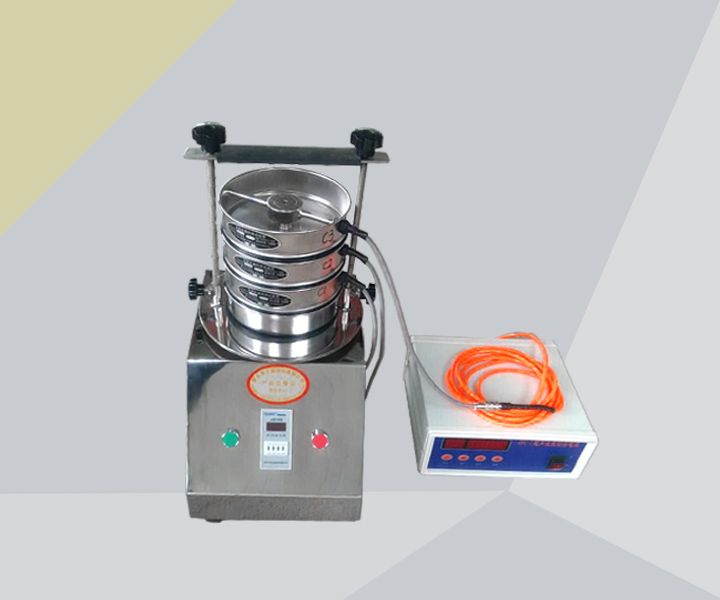
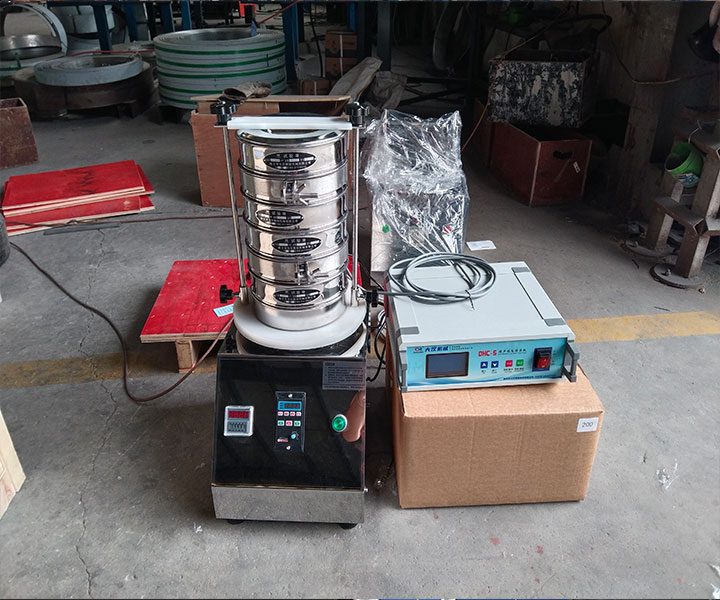
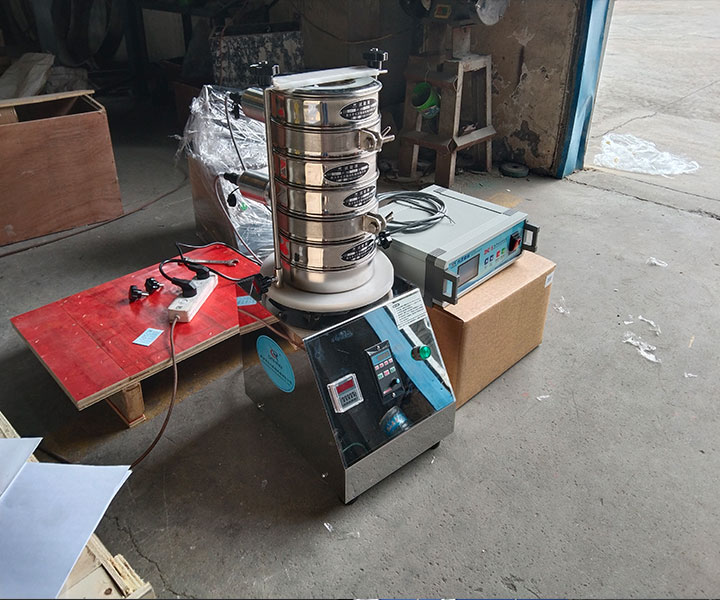
For laboratories analyzing fine powders, advanced ceramics, battery materials, or pharmaceutical micronized particles, the Sonic Sieve Shaker offers a high-efficiency solution for particle size analysis down to 5μm. Unlike conventional mechanical or electromagnetic sieve shakers that rely on mechanical vibration, the Sonic Sieve Shaker uses a unique vertical air column and sonic oscillation to achieve rapid and gentle sieving of extremely fine powders.
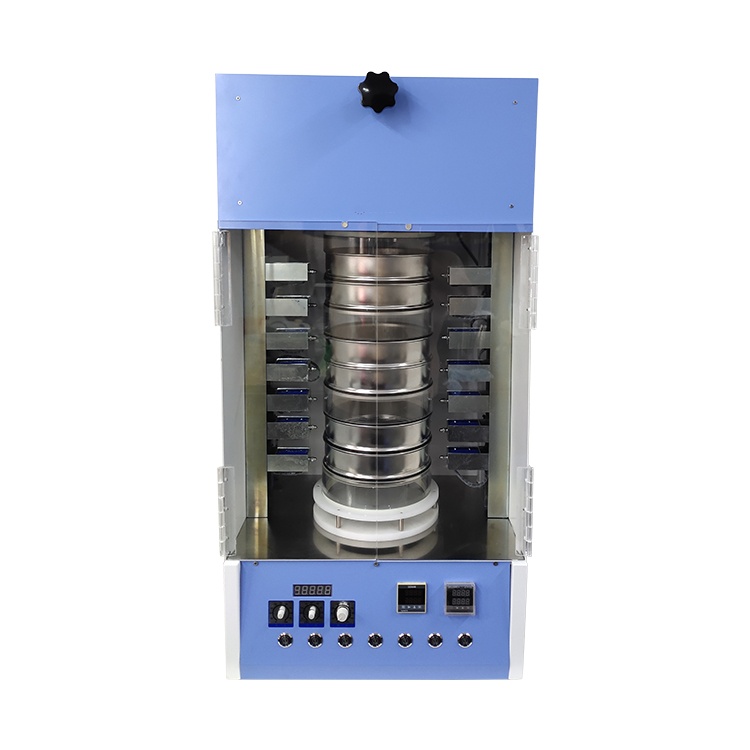
The Sonic Sieve Shaker is essential for quality control and R&D in lithium-ion battery materials (graphite, lithium iron phosphate, silicon anode powders), specialty chemicals, advanced ceramics, and pharmaceutical micronized APIs. It delivers particle size distribution data in just 3-5 minutes—significantly faster than traditional methods.
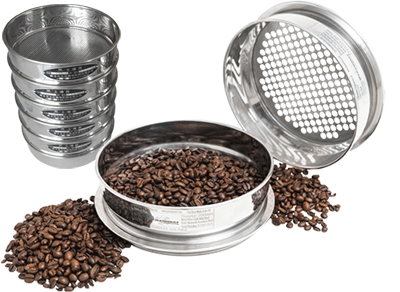
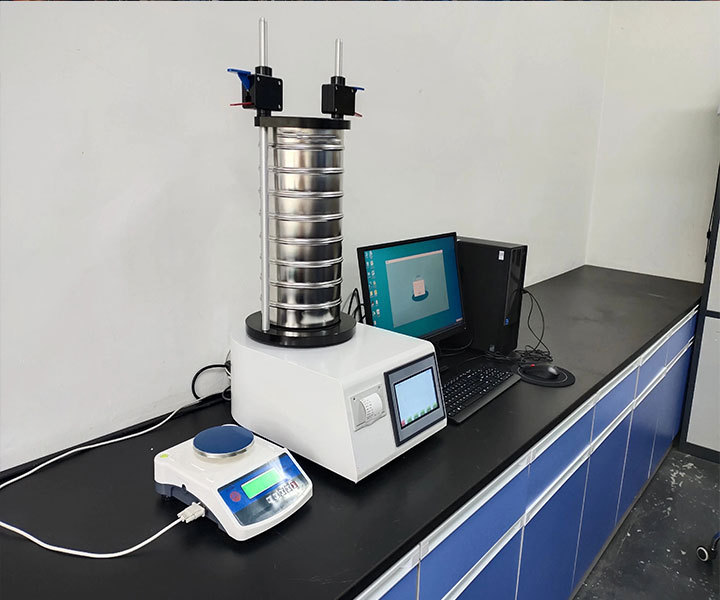
What sets this Sonic Sieve Shaker apart is its ability to process sub-sieve particles without the mechanical grinding or agglomeration issues common in other shakers. With adjustable sonic amplitude, digital timer control, and compatibility with standard 200mm and 75mm test sieves, the Sonic Sieve Shaker delivers accurate, repeatable results for the most challenging fine powder applications.
Types of Sonic Sieve Shakers
Sonic sieve shakers are specialized for fine powder analysis. Common configurations include:
Standard Sonic Sieve Shakers–For general fine powder analysis (5μm–20mm)
High-Amplitude Sonic Sieve Shakers–For cohesive or sticky materials
Auto-Sonic Sieve Shakers–With automated amplitude adjustment
Portable Sonic Sieve Shakers – For on-site laboratory use
Our Sonic Sieve Shaker combines high-frequency sonic oscillation with adjustable amplitude, making it ideal for the most challenging fine powder applications—from battery materials to advanced ceramics.
Features
High-Frequency Sonic Oscillation
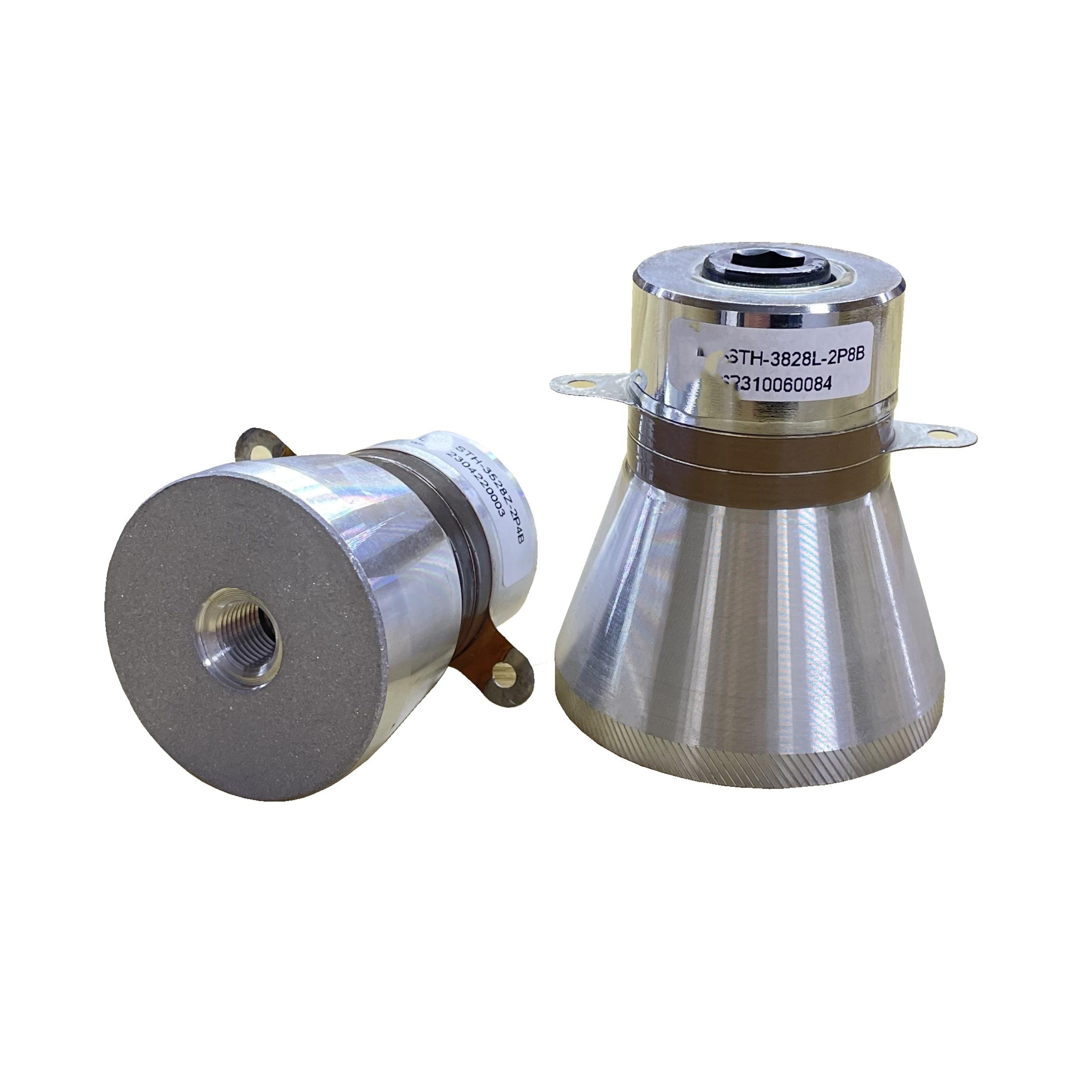
The Sonic Sieve Shaker generates a vertical air column oscillating at 50-60 Hz, creating a sonic wave that lifts and separates particles. This gentle action is ideal for fragile or cohesive materials that would be degraded by mechanical shakers.
Fine Particle Capability
Capable of analyzing particles as small as 5μm, the Sonic Sieve Shaker delivers accurate particle size distribution for sub-sieve materials that are impossible to separate with standard vibration methods.
Fast Processing Time
The Sonic Sieve Shaker completes most analyses in just 3 to 5 minutes—up to 5 times faster than conventional mechanical or electromagnetic shakers.
Adjustable Amplitude
Continuously adjustable sonic intensity allows operators to optimize screening action for different material types. Fragile particles benefit from lower settings; cohesive materials require higher amplitude.
Digital Timer Control
Set precise test durations from 1 to 99 minutes. Supports interval and continuous operation modes for fully automated testing cycles.
Versatile Sieve Compatibility
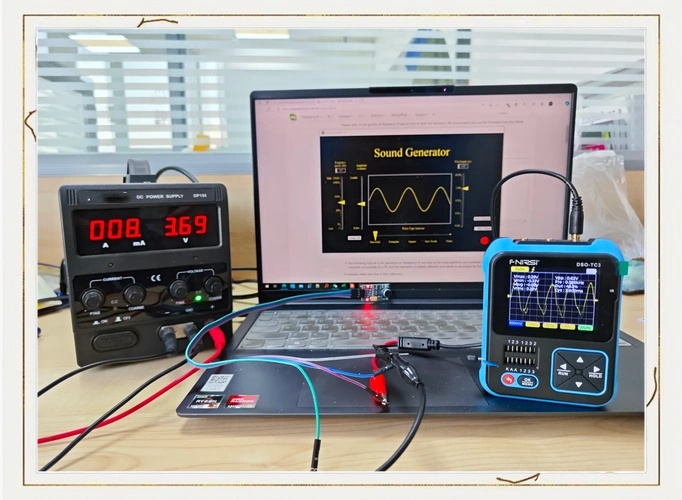
Compatible with standard 200mm (8-inch) and 75mm (3-inch) test sieves, with optional sizes available upon request.
Low Maintenance Design
No mechanical drive components—no belts, gears, or bearings. Annual maintenance costs are estimated at 70-80% lower than mechanical equivalents.
Compact Benchtop Design
Occupies minimal bench space in crowded laboratories. Acoustic enclosure minimizes operational noise for a quieter working environment.
Why Choose the Sonic Sieve Shaker?
5μm fine particle capability–Handles sub-sieve materials
3-5 minute cycles – Up to 5x faster than conventional shakers.
200mm & 75mm sieve compatible – Flexible for various sample sizes.
Sonic oscillation / no mechanical parts – Gentle on fragile particles, low maintenance.
Adjustable amplitude – Optimized for cohesive and fine powders.
Technical Specifications
The table below summarizes the complete technical specifications—covering sieve diameter, particle range, frequency, timer settings, and power requirements.
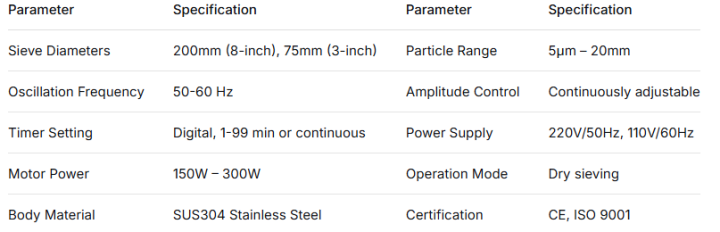
The Sonic Sieve Shaker is engineered for fine powder analysis in R&D and quality control laboratories. The 200mm configuration is ideal for standard sample volumes of 50–200g, while the 75mm configuration is designed for micro-samples down to 5g—essential for precious or limited materials like lithium battery compounds or high-value APIs where sample conservation is critical.
Working Principle
The Sonic Sieve Shaker uses a unique sonic oscillation mechanism to achieve particle separation—with no moving mechanical parts in the sieve stack.
Step 1: Sonic Generation – An electronic oscillator drives a sonic transducer beneath the sieve stack, converting electrical energy into mechanical sonic waves at 50-60 Hz.
Step 2: Air Column Oscillation – The sonic waves create a vertical air column that oscillates beneath the sieve stack, applying a rhythmic lifting and dropping force to particles—similar to controlled tapping but without direct contact.
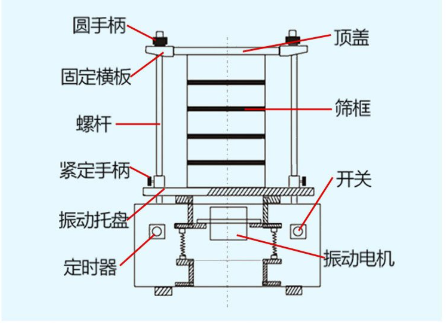
Step 3: Particle Fluidization – The sonic pulses lift particles off the sieve surface and suspend them in the air column. This fluidization effect prevents particles from clogging the mesh.
Step 4: Separation and Stratification – This continuous lift-drop cycle—repeated 50-60 times per second—rapidly separates particles by size. The Sonic Sieve Shaker achieves 95% of its final separation in the first 3 minutes, completing most analyses in 5 minutes or less.
Applications by Industry
Battery Materials
Analyzes graphite, LFP, LCO, silicon anode powders, and conductive carbon blacks. Particle size directly impacts battery performance and energy density.
Pharmaceuticals
Micronized APIs, excipients, and DPI formulations. Characterizes sub-sieve particles down to 5μm—critical for dissolution rates, bioavailability, and aerosol performance.
Advanced Ceramics
Silicon carbide, alumina, zirconia, and other fine ceramic powders. Particle size distribution affects sintering behavior and final ceramic properties.
Chemicals & Pigments
Fine chemicals, pigment powders, toner particles, and carbon black. Consistent particle size ensures color uniformity and dispersion quality.
Food & Confectionery
Cocoa powder, icing sugar, fine spices, and starch. Ensures consistent texture, mouthfeel, and processing behavior.
Materials Research
R&D laboratories exploring nanomaterials, composites, and advanced materials. Gentle action preserves particle integrity for accurate morphological analysis.
Frequently Asked Questions
Q1: What is a Sonic Sieve Shaker?
The Sonic Sieve Shaker is a laboratory instrument that uses high-frequency sonic oscillation to separate fine particles down to 5μm. Unlike mechanical shakers, it uses a vertical air column—no direct mechanical contact with the sieve stack.
Q2: How does a Sonic Sieve Shaker work?
It uses a sonic transducer to generate 50-60 Hz waves, creating an oscillating air column that lifts and separates particles. This gentle, non-contact action preserves particle integrity.
Q3: What particle sizes can it handle?
From 5μm fine powders to 20mm granules. It is specifically designed for sub-sieve particles that are difficult to analyze with standard mechanical shakers.
Q4: How long does a typical analysis take?
Most analyses complete in 3 to 5 minutes—up to 5 times faster than mechanical shakers.
Q5: What sieve diameters are compatible?
Standard 200mm (8-inch) and 75mm (3-inch) test sieves. Optional sizes are available upon request.
Q6: Can the Sonic Sieve Shaker handle wet sieving?
No, the Sonic Sieve Shaker is specifically designed for dry sieving. For wet sieving, please see our Electromagnetic Sieve Shaker.
Q7: How is it different from a mechanical sieve shaker?
Mechanical shakers use motors, gears, and vibrating mechanisms; sonic shakers use high-frequency sound waves with no moving mechanical parts.
Q8: How much does a Sonic Sieve Shaker cost?
Cost depends on configuration (sieve size, accessories, voltage). Contact us with your specific requirements for a customized quote.