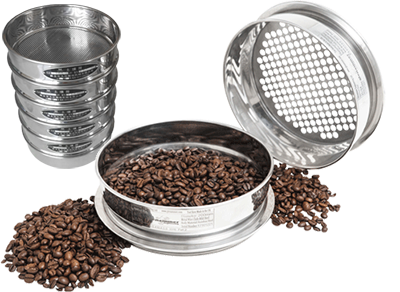
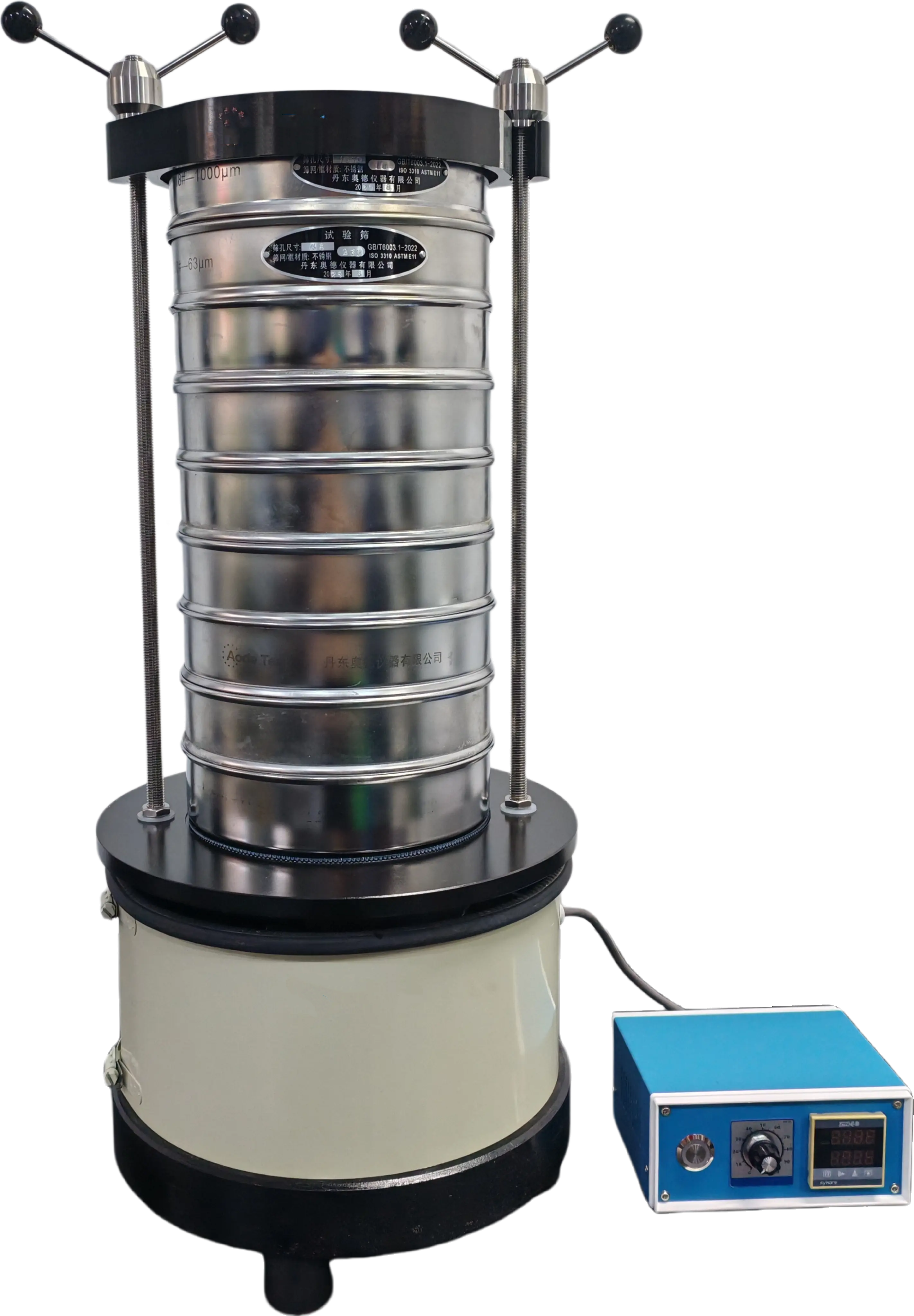
ASTM E11 Test Sieves for Laboratory Particle Size Analysis
Laboratory test sieves designed for particle size analysis, material classification and quality control testing according to applicable ASTM E11 requirements.
Available configurations can be selected according to sieve diameter, aperture, material, sieve grade and laboratory testing requirements.

|
ASTM E11 Applicable Standard |
20 um - 125 mm Nominal Aperture Range |
SS / Brass Material Options |
3 Grades Sieve Grades |
Product Specifications
The sieve configuration can be selected according to the required particle size range, testing method and laboratory equipment.
| Item | Specification |
| Standard | ASTM E11-24 |
| Sieve Type | Woven Wire Test Sieve |
| Diameter | 75 mm / 100 mm / 200 mm / 300 mm |
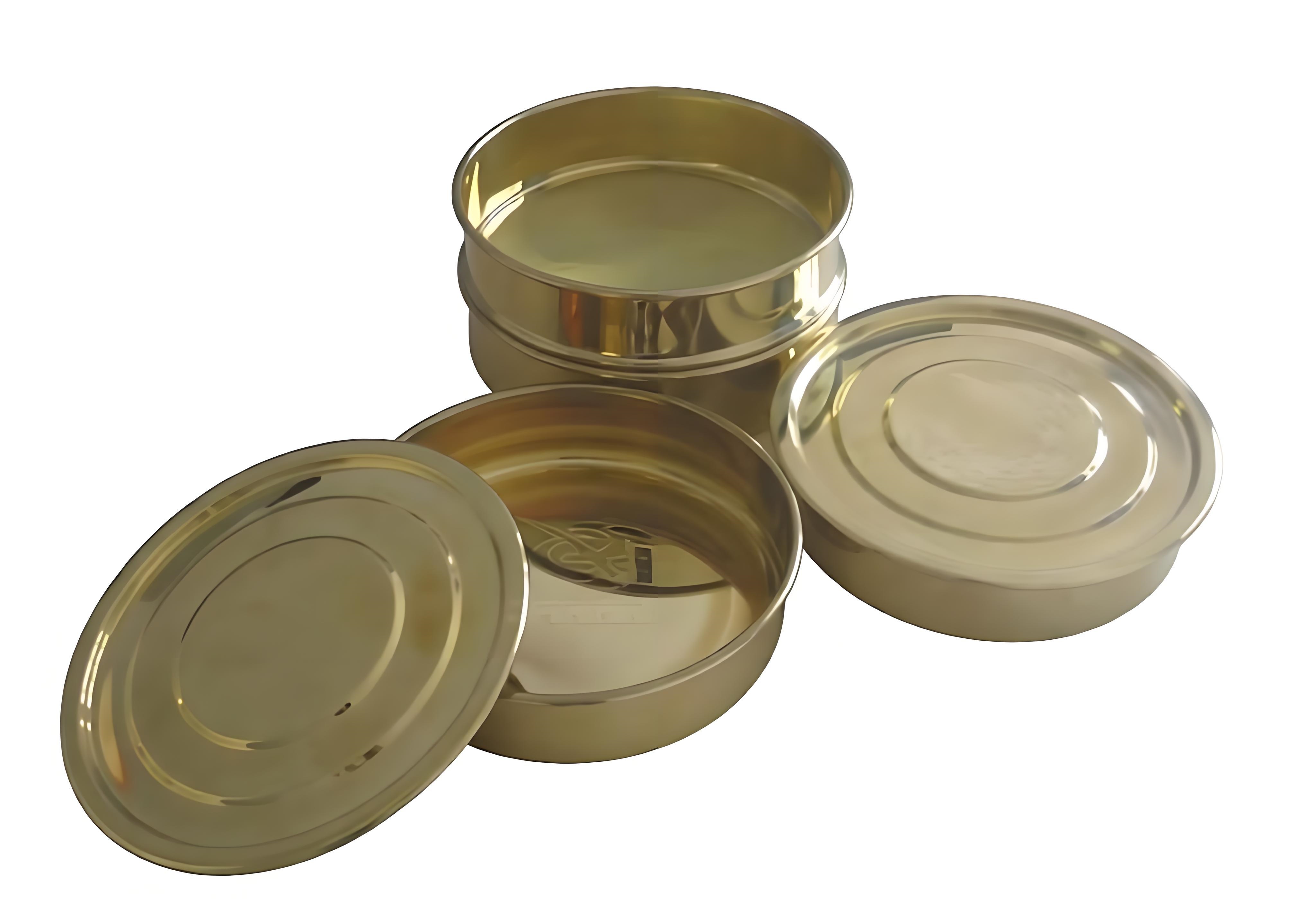
| Material | Stainless Steel / Brass |
| Sieve Grade | Compliance / Inspection / Calibration |
| Application | Particle Size Analysis and Material Classification |
Available specifications may vary according to the required testing application and configuration.
Why Choose This Test Sieve?
|
01. Controlled Aperture The woven wire mesh provides defined openings for separating particles according to size. |
02. ASTM E11 Configuration Suitable sieve configurations can be selected according to applicable ASTM E11 testing requirements. |
|
03. Multiple Materials Stainless steel and brass configurations can be selected according to the application. |
04. Multiple Sieve Grades Compliance, Inspection and Calibration grades are available for different laboratory requirements. |
What Is an ASTM E11 Test Sieve?
An ASTM E11 test sieve is a laboratory sieve manufactured with woven wire mesh and a suitable frame for particle size analysis and material classification.
ASTM E11-24 defines requirements related to woven wire test sieve cloth, sieve construction, frame dimensions and inspection procedures.
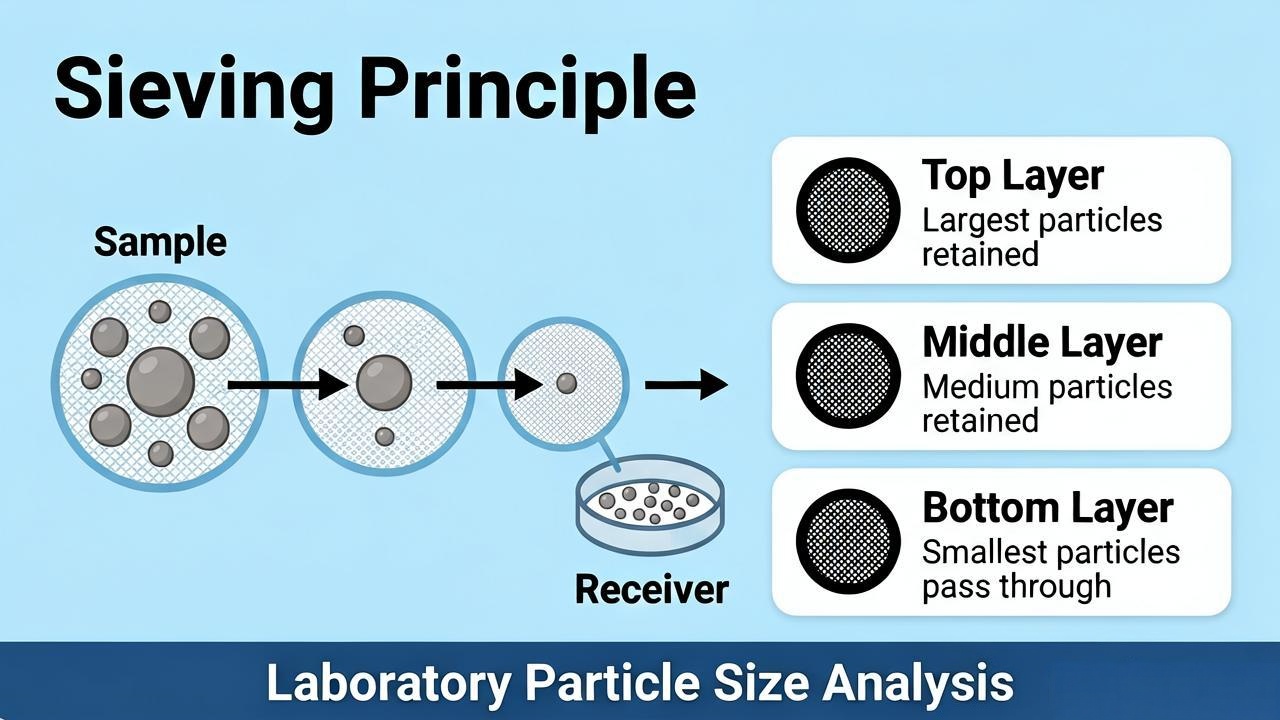
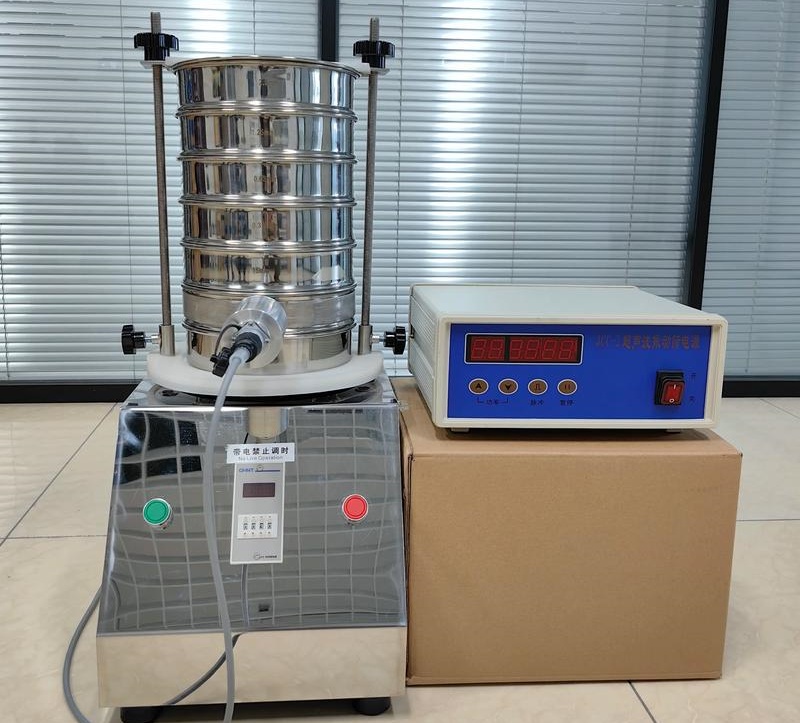
During sieve analysis, a sample is placed on a stack of sieves with different openings. Larger particles remain on the upper sieves while smaller particles pass through the mesh and are collected on lower sieves or a receiving pan.
ASTM E11 Sieve Sizes and Apertures
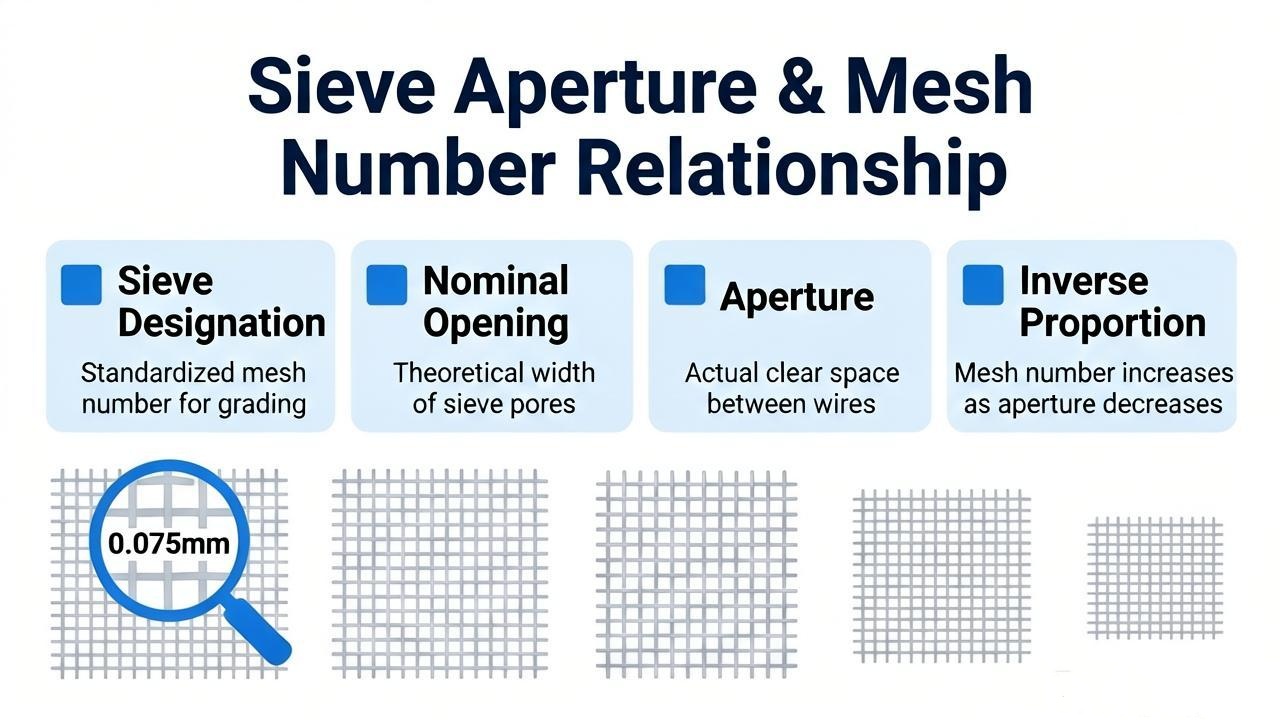
The sieve designation and nominal aperture are important when selecting a laboratory sieve. The correct size should be selected according to the applicable test method and expected particle size.
ASTM E11-24 covers nominal sieve cloth aperture sizes from 125 mm down to 20 um. Common laboratory sieve designations include No. 4, No. 10, No. 20, No. 40, No. 60, No. 100 and No. 200.
| Sieve Designation | Nominal Opening |
| No. 4 | 4.75 mm |
| No. 10 | 2.00 mm |
| No. 20 | 850 um |
| No. 40 | 425 um |
| No. 60 | 250 um |
| No. 100 | 150 um |
| No. 200 | 75 um |
Sieve Grades for Laboratory Testing
Different sieve grades are available according to the level of verification required by the laboratory.
| Grade | Typical Purpose |
| Compliance | Routine testing where basic conformity is required |
| Inspection | Testing where inspection information is required |
| Calibration | Applications requiring higher measurement confidence |
How to Choose the Right Sieve?
01. Choose the Aperture
Select the aperture according to the expected particle size and the applicable testing method.
02. Choose the Sieve Diameter
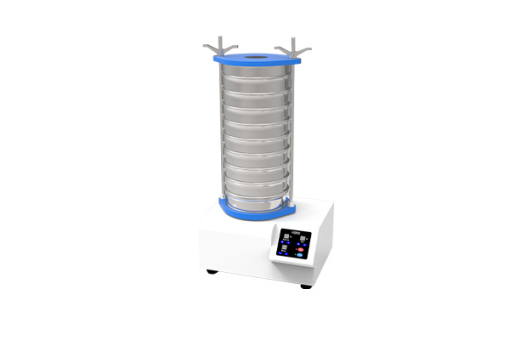
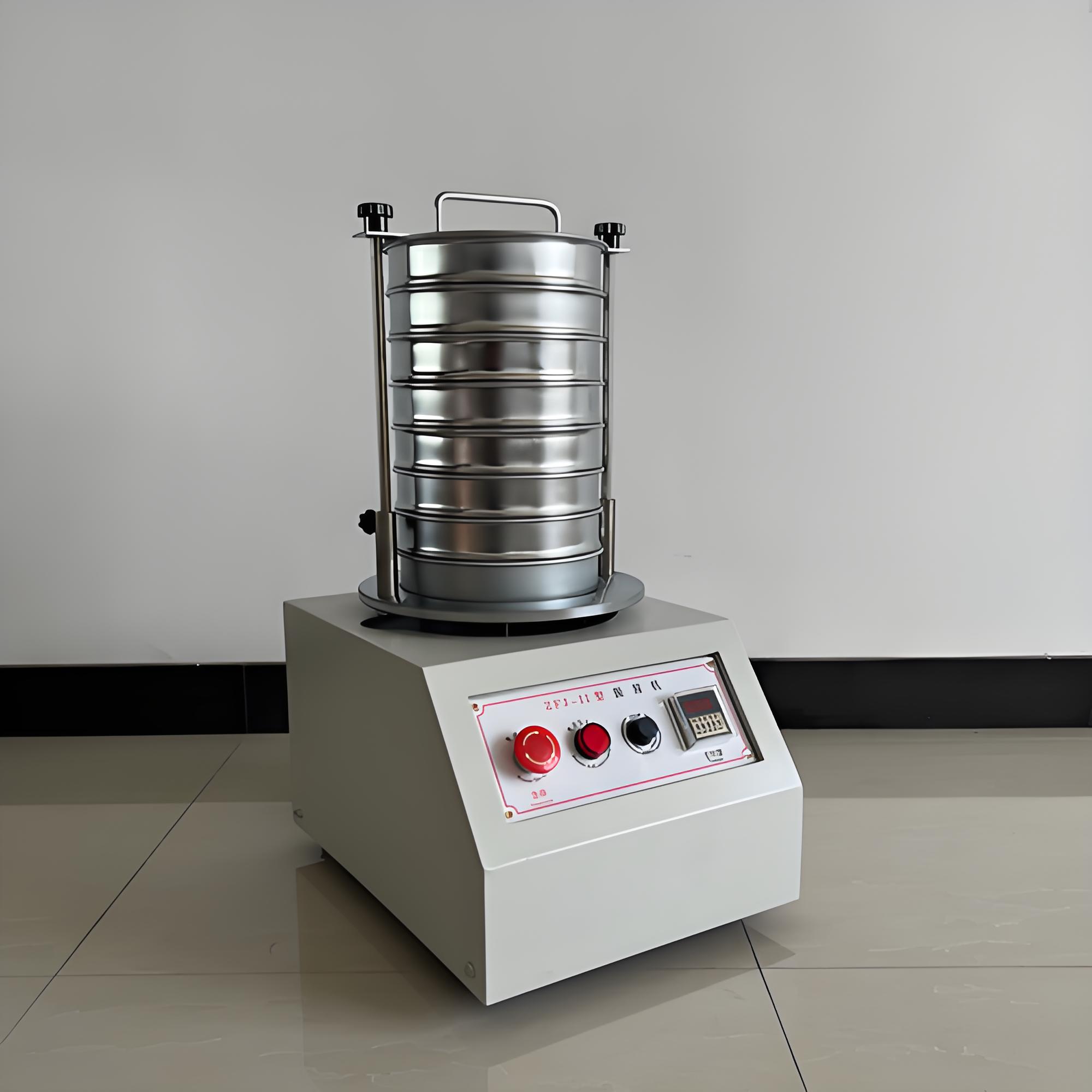
Select a diameter that matches the sample quantity and compatible laboratory sieve shaker.
03. Choose the Material
Stainless steel is commonly selected for durability and corrosion resistance, while brass may be suitable for specific laboratory applications.
04. Choose the Sieve Grade
Select Compliance, Inspection or Calibration grade according to the required testing and verification level.

Laboratory Applications
|
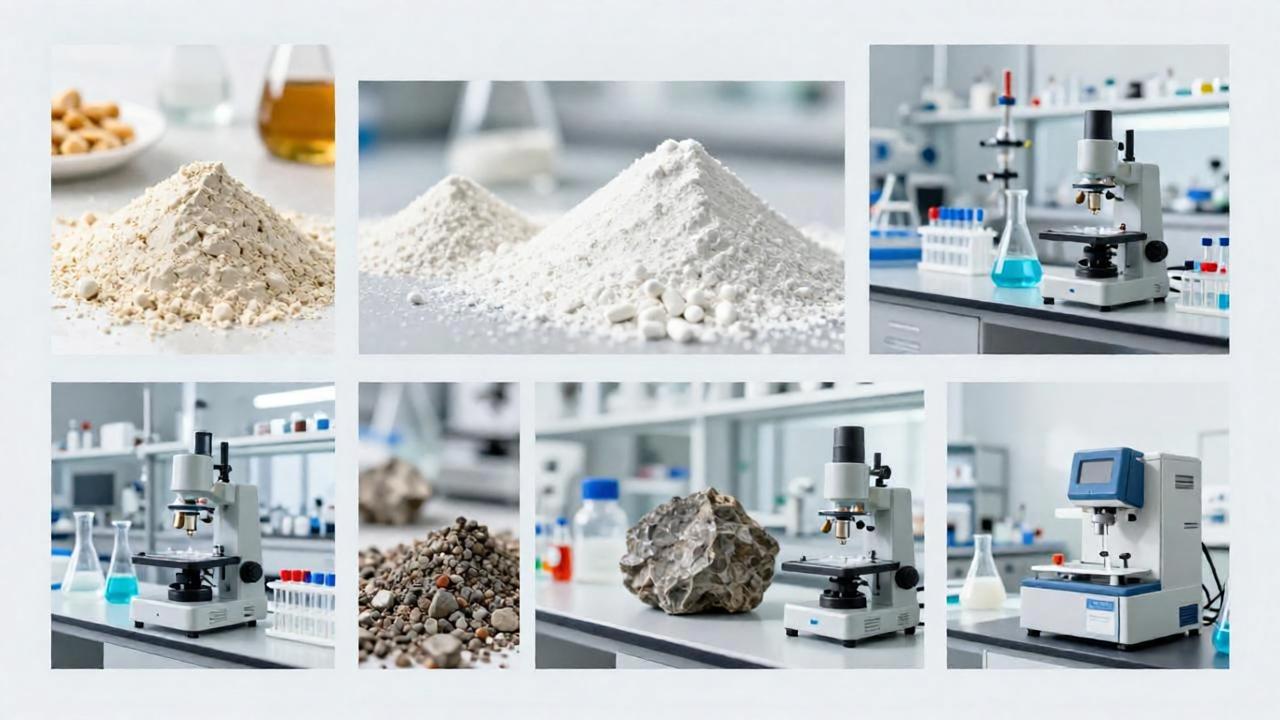
Food Flour, grains and food powders |
Pharmaceutical Powders and raw materials |
Chemical Chemical powders and materials |
|
Mining Minerals and granular materials |
Research Laboratory particle testing |
Quality Control Material classification |
Frequently Asked Questions
What is ASTM E11-24?
ASTM E11-24 specifies requirements for woven wire test sieve cloth, sieve construction, frame requirements and inspection procedures.
What sieve aperture should I choose?
The aperture should match the required particle-size range and applicable testing method. If a test method specifies a sieve designation, that designation should be used.
What sieve diameter is available?
Common laboratory diameters include 75 mm, 100 mm, 200 mm and 300 mm, depending on the required configuration.
Which sieve grade should I choose?
Compliance, Inspection and Calibration grades can be selected according to the laboratory testing and verification requirements.
What information is needed for a quotation?
Provide the required sieve designation or aperture, diameter, material, sieve grade, quantity and application. This information helps determine the appropriate configuration.
Need the Right ASTM E11 Test Sieve?
Send your required aperture, sieve designation, diameter, material, grade and quantity to confirm the suitable configuration and request a quotation.
Request a Quote