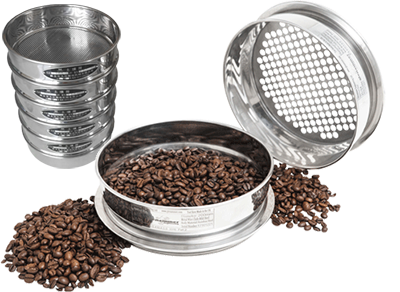
Test Sieves for Metal Powders
Wednesday January-15 2025 13:30:10
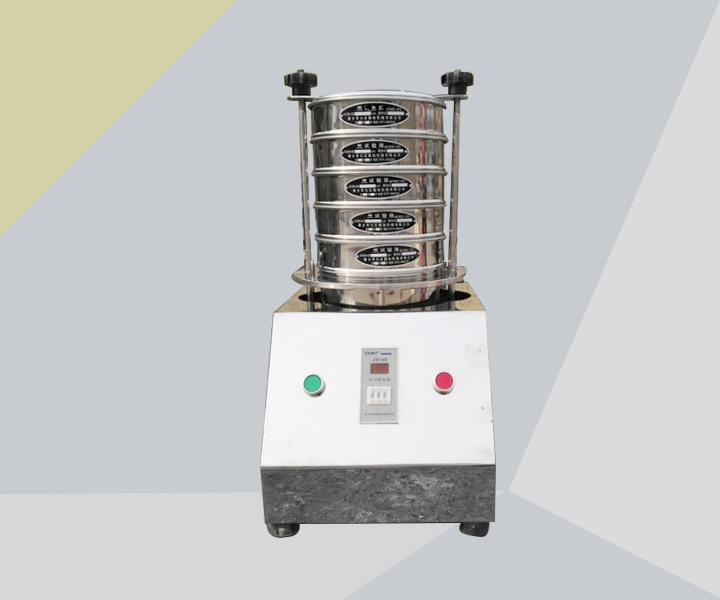
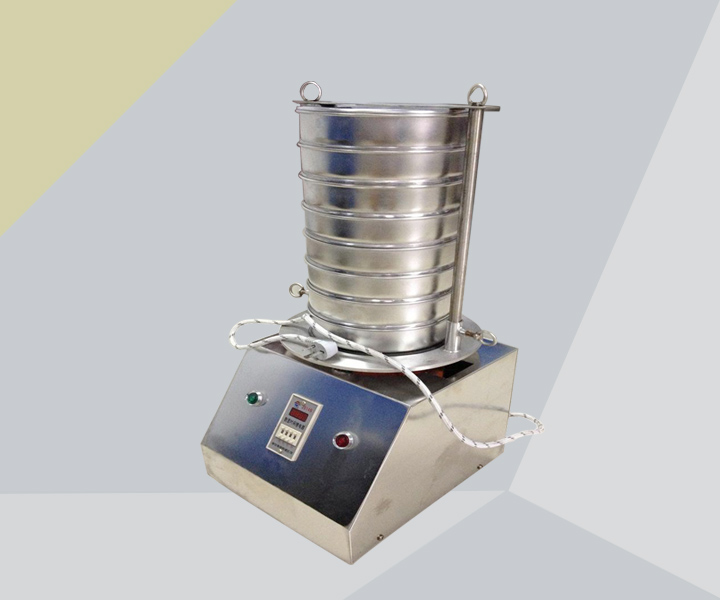
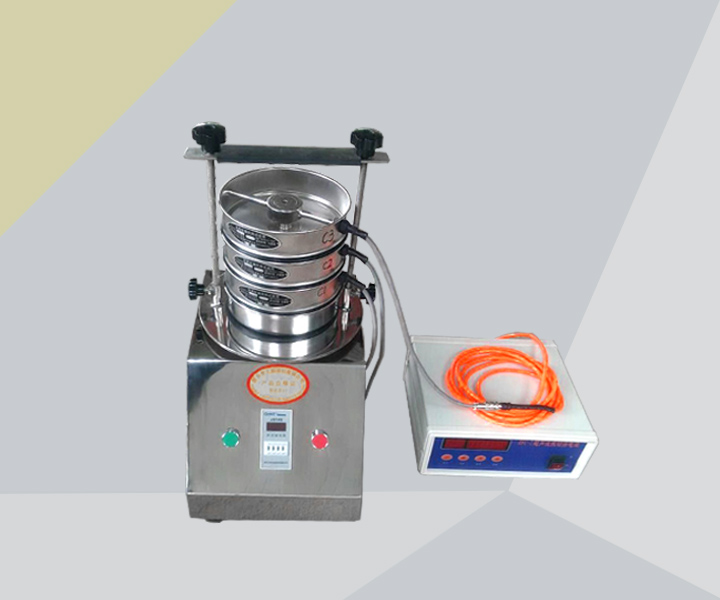
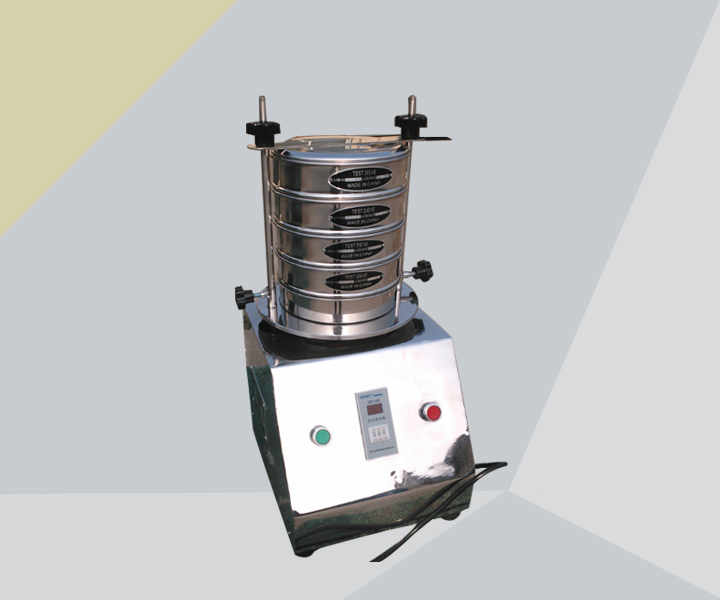
Test sieves for metal powders are essential tools used in the particle size analysis of metal powders. These sieves play a crucial role in quality control and research and development processes across various industries, ensuring that metal powders meet the required specifications and standards.
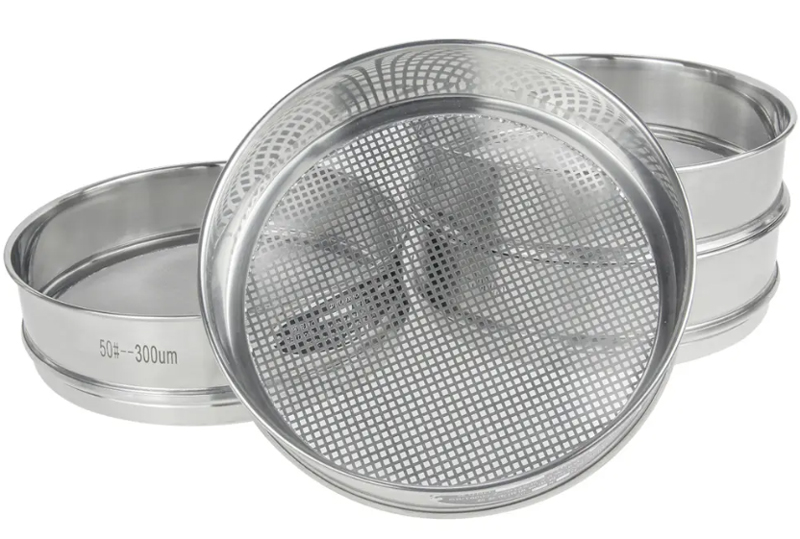
It is mainly used to separate metal powders of different particle sizes to meet the needs of different processes and products. Its working principle is to sieve the metal powder on the screen by vibration, thereby achieving particle size classification and purification.
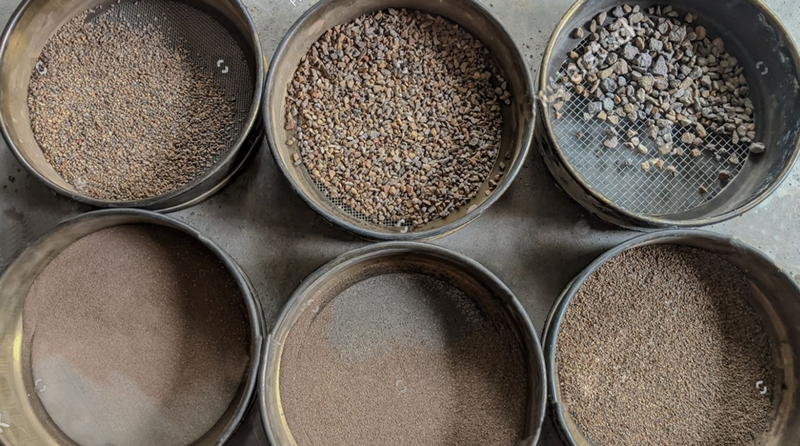
Importance of Test Sieves for Metal Powders
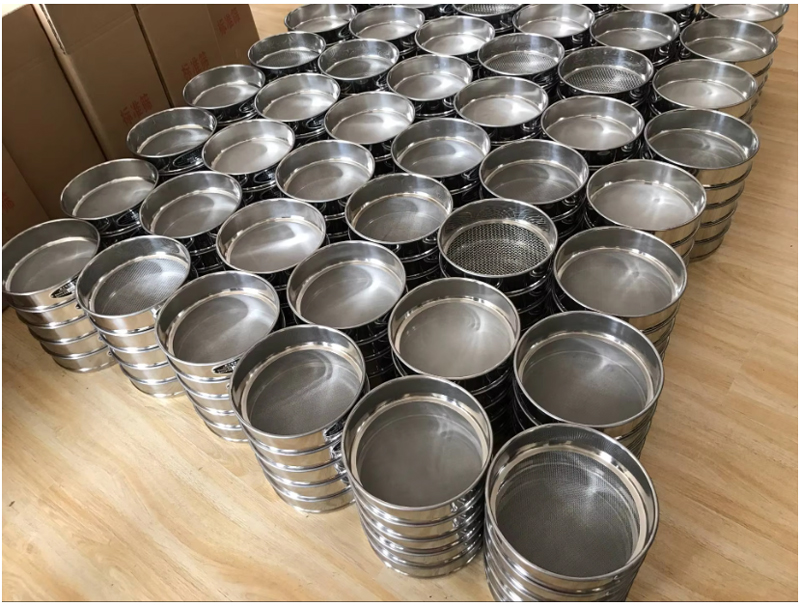
Test sieves are fundamental in determining the particle size distribution of metal powders. By passing the powder through a series of sieves with different mesh sizes, the distribution of particle sizes can be analyzed, providing valuable insights into the quality and characteristics of the metal powder. This information is vital for ensuring product consistency, meeting regulatory requirements, and optimizing production processes.
Test Sieves for Metal Powders Working Principle
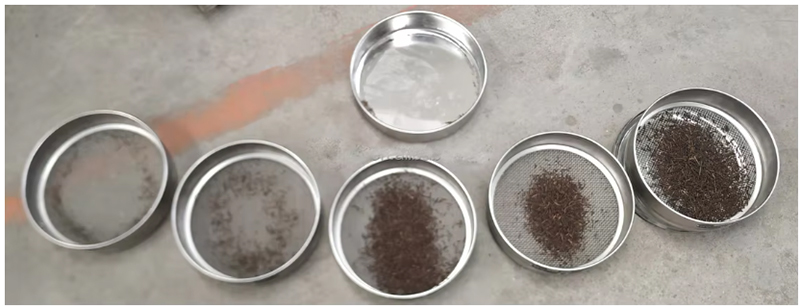
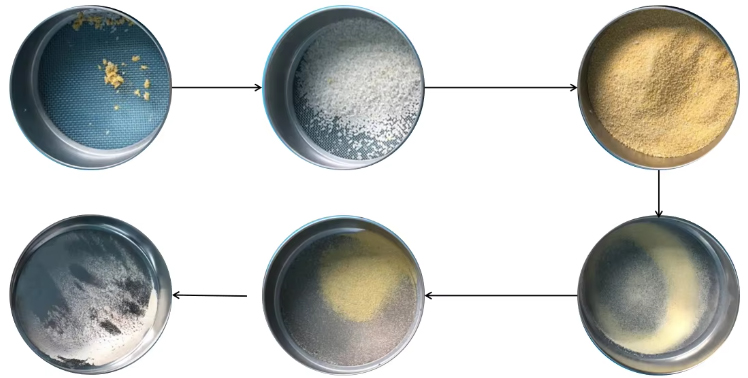
The working principle of test sieves is based on the concept of sieving, where the metal powder is placed on the top sieve with the largest mesh size. The sieves are then stacked in descending order of mesh size, and mechanical or manual agitation is applied to separate the particles based on their size. The particles that are smaller than the mesh openings pass through the sieve, while larger particles are retained on the sieve.
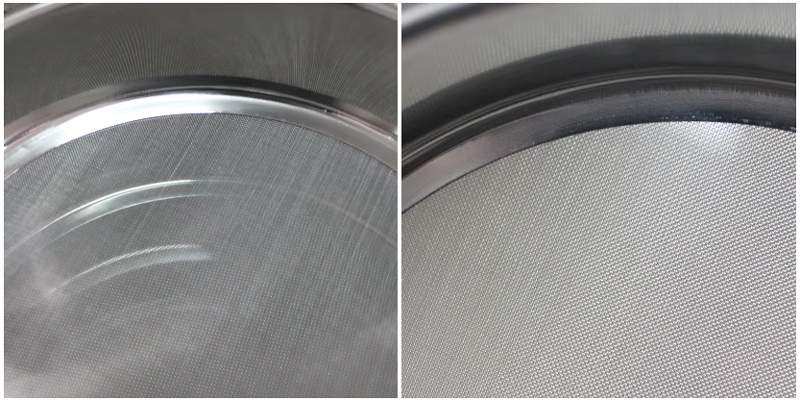
Test Sieves for Metal Powders Types of Test Sieves
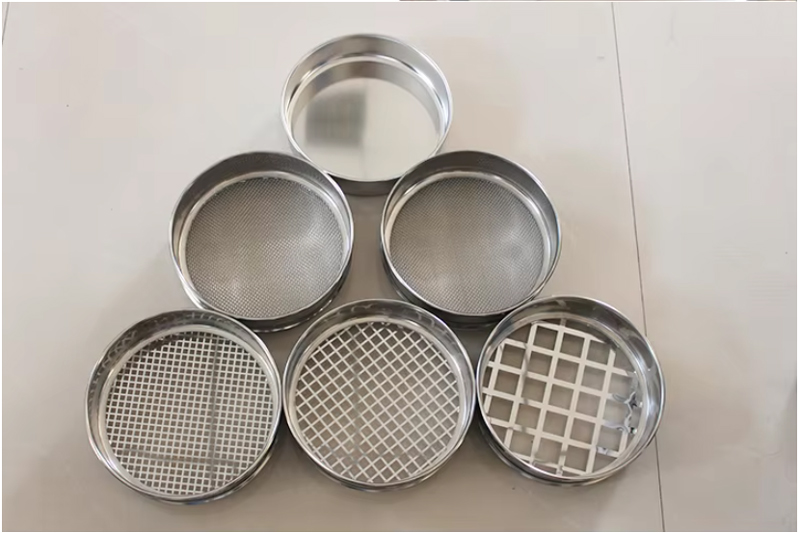
Standard Test Sieves: These sieves conform to specific standards such as ASTM or ISO and are commonly used for routine particle size analysis.
Wet Washing Sieves: Designed for wet sieving applications where the material being sieved is water-sensitive.
Air Jet Sieves: Utilized for fine particle size analysis, these sieves use air to assist in the sieving process.
Microplate Sieves: Used for extremely fine particle analysis, these sieves have a high number of mesh openings per unit area.
Test Sieves for Metal Powders Material Selection
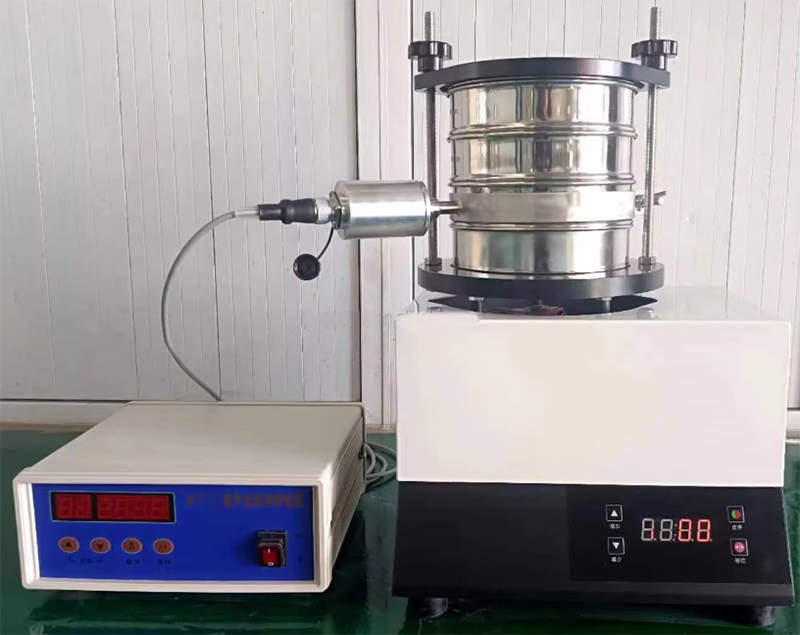
Test sieves for metal powders are typically made from stainless steel due to its durability, corrosion resistance, and ability to withstand abrasive materials. Stainless steel also offers excellent heat resistance, making it suitable for high-temperature applications. Additionally, some sieves may be coated with materials like nylon or PTFE to prevent clogging and improve efficiency.
Test Sieves for Metal Powders Maintenance
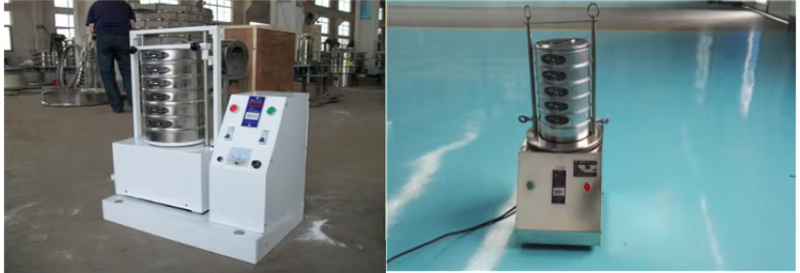
Proper maintenance of test sieves is essential to ensure accurate and reliable results. Regular cleaning with appropriate methods and storage in a clean, dry environment are crucial to prevent contamination and maintain the integrity of the mesh. Inspection for wear and tear, such as tears or holes in the mesh, should be conducted periodically to ensure the sieves are in optimal condition.
Test sieves for metal powders are indispensable tools for quality control and research purposes, providing valuable insights into the particle size distribution of metal powders. By understanding their importance, working principle, types, material selection, maintenance, and applications, industries can leverage these sieves to ensure the quality and consistency of their metal powder products, driving innovation and efficiency in manufacturing processes.
Do you want to know the output? model? price? Please click (inside product page) or online consultation to learn more.
Dahan can also customize it for you according to your needs. Come and get the design that suits you.
Kon Leung, Ph.D.
Staff Simulation Engineer at BISSELL Homecare, Inc.