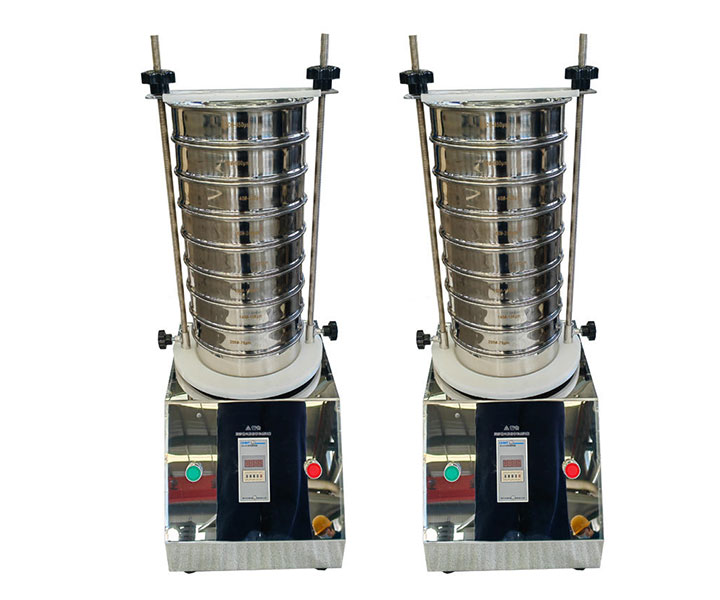
What Is a Stainless Steel Automatic Sieve Shaker Used For?
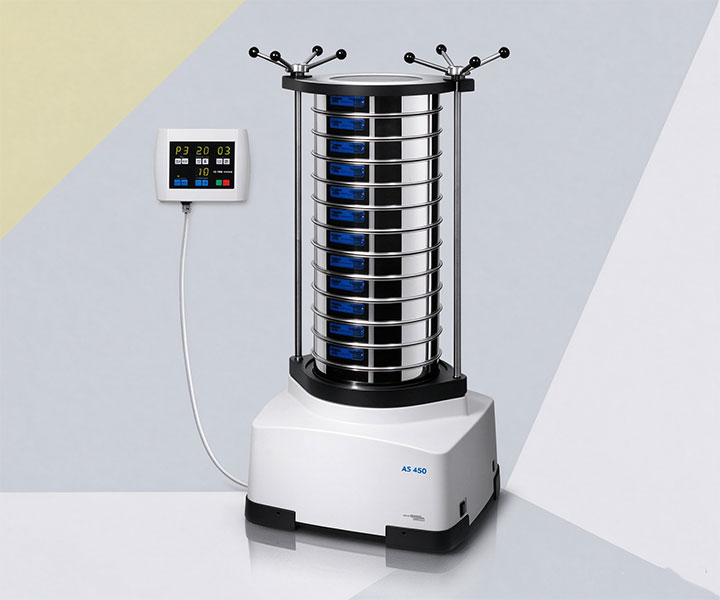
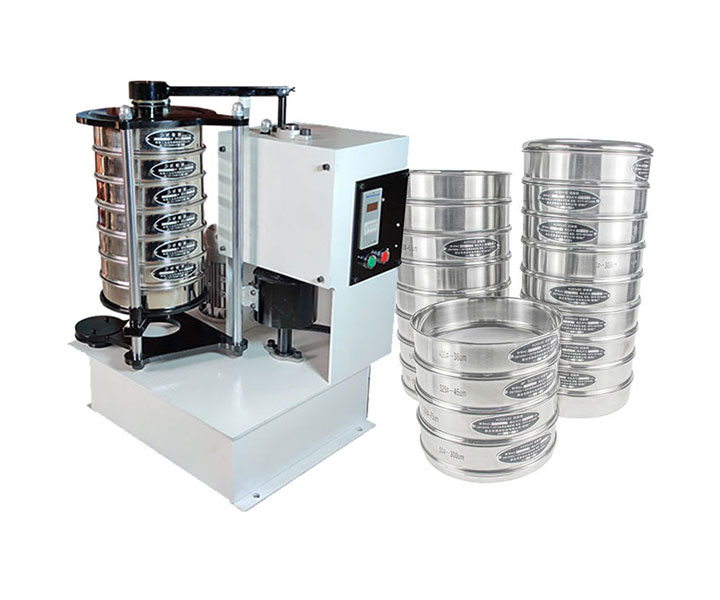
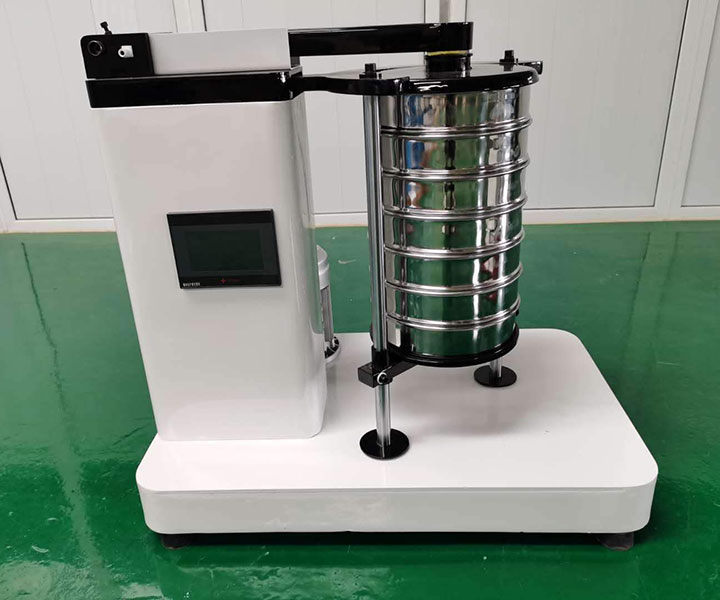
A stainless steel automatic sieve shaker is used to separate and analyze particles according to their size. It holds a stack of test sieves with progressively smaller openings, allowing a powder or granular sample to be divided into different size fractions during one test.
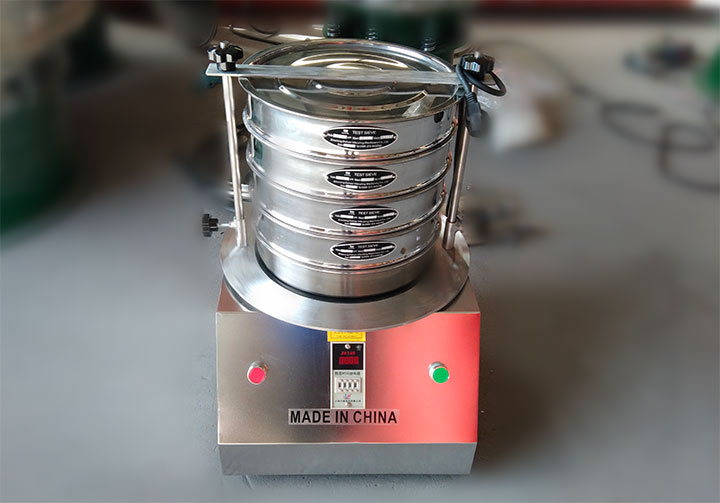
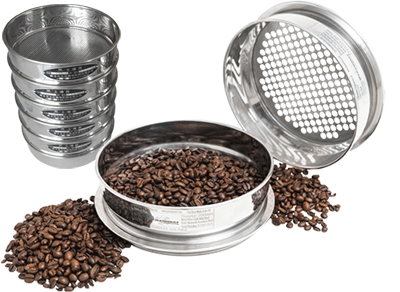
The stainless steel construction is particularly relevant when the equipment is used in laboratories that need specific material-contact surfaces or regular cleaning. Depending on the selected configuration, the machine can be fitted with stainless steel test sieves of different mesh sizes to suit the sample being examined.
For routine particle size testing, the operator places a prepared sample in the top sieve, secures the sieve stack, and sets the required sieving time. After the cycle, the material retained on each sieve can be collected and weighed to determine its particle size distribution.
This equipment is suitable for laboratory testing of powders, granules and other materials that can be evaluated by standard test sieving. The appropriate sieve diameter, mesh range and machine configuration should be selected according to the sample and testing requirements.
Stainless Steel Materials and Component Options
The stainless steel specification of an automatic sieve shaker is particularly important for the test sieves and other parts that come into contact with the sample. For the standard laboratory configuration, SUS304 stainless steel is used for the sieve frame and screen components. SS316L can also be considered when the sample or cleaning conditions call for a different corrosion-resistance level.
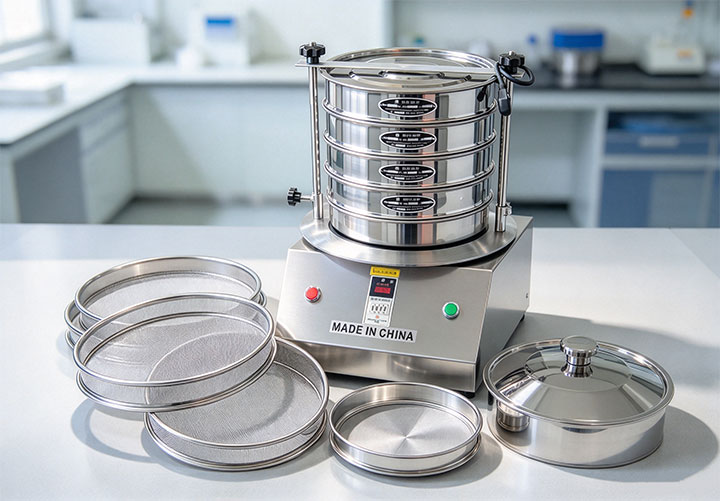
Material selection should be based on the actual component rather than treating the entire machine as one material specification. The sieve frame, woven mesh, receiving pan, top cover and machine housing may have different material requirements.
| Component | Material / Configuration |
|---|---|
| Test sieve frame | SUS304 stainless steel; SS316L option subject to configuration |
| Woven wire mesh | Stainless steel mesh; grade to be confirmed with the sieve specification |
| Receiving pan | Material matched to the selected test sieve set |
| Top cover | Configuration matched to the sieve frame |
| Machine housing | Stainless steel plate or other available housing construction, depending on the model |
For routine laboratory particle-size analysis, SUS304 is a practical choice for standard test sieve components. Where the sample composition or cleaning procedure requires additional corrosion resistance, SS316L may be specified for the relevant sample-contact parts. Confirming the material grade and component scope before ordering helps ensure that the supplied sieve stack matches the laboratory's requirements.
Stainless Steel Automatic Sieve Shaker Specifications
The stainless steel automatic sieve shaker is available with different sieve frame diameters and layer configurations for laboratory particle size analysis. The 200 mm model is a standard option for routine sample testing, while other frame sizes can be selected according to the required sample quantity and testing setup.
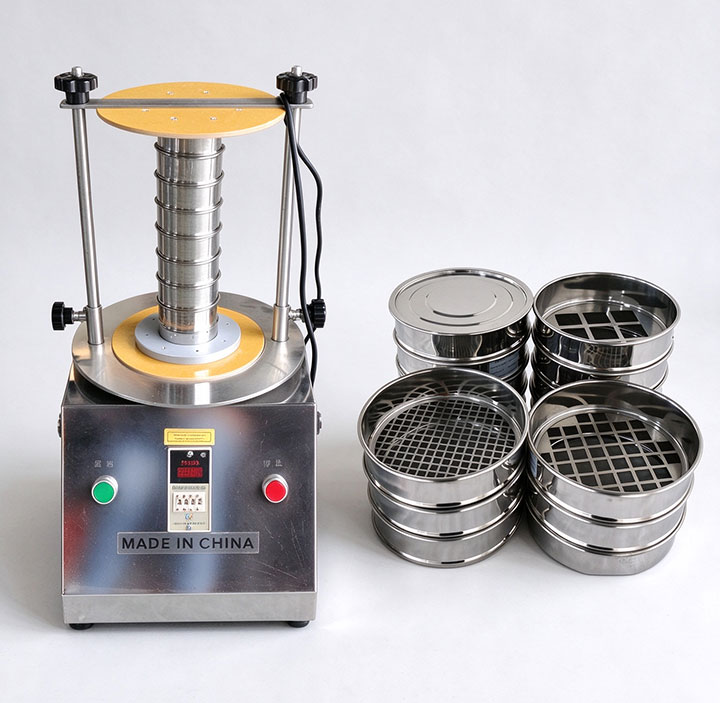
Available Sieve Shaker Configurations
| Specification | Available Range |
|---|---|
| Sieve Frame Diameter | 75 / 100 / 200 / 300 / 400 mm |
| Number of Sieve Layers | 1–8 layers |
| Standard Sieve Size Range | 0.025–3 mm |
| Mesh Selection | Selected according to the required particle size and test method |
| Screen Material | Stainless steel; SS304 or SS316L options according to configuration |
Technical Parameters of the 200 mm Model
| Parameter | Specification |
|---|---|
| Frame Diameter | 200 mm |
| Number of Layers | 1–8 |
| Sieve Size Range | 0.025–3 mm |
| Vibration Amplitude | 1–4 mm |
| Vibration Frequency | 1440 times/min |
| Motor Power | 0.12 kW |
| Power Supply | 220 V / 50 Hz |
| Timer Setting | Up to 999 seconds |
| Machine Dimensions | 350 × 350 × (300 + n × 56) mm |
| Machine Weight | 36 kg |
| Noise Level | Less than 50 dB |
The second table refers specifically to the 200 mm test sieve shaker model. Motor power, vibration settings, dimensions and weight may differ for machines with other sieve diameters. For a suitable configuration, confirm the required frame size, number of sieve layers, aperture range and local power supply before ordering.
How the Automatic Sieve Shaker Processes Samples
The stainless steel automatic sieve shaker separates a laboratory sample by passing it through a stack of test sieves with different aperture sizes. The sieves are arranged in descending order of opening size, with the largest aperture at the top and the smallest at the bottom. A receiving pan collects the particles that pass through the entire stack.
Before starting a test, the operator places a measured sample on the uppermost sieve and assembles the sieve stack. The stack is then secured in the shaker. The required sieving time is set according to the sample characteristics and the applicable testing procedure.
During the test, the machine produces vibration that moves particles across the mesh surfaces. Particles smaller than an individual aperture can pass through to the next sieve, while larger particles remain on that sieve. This process separates the original sample into several size fractions without requiring the sieves to be handled individually.
After the sieving cycle, the material retained on each sieve and in the receiving pan can be collected and weighed. The weight of each fraction is used to calculate its percentage of the original sample, providing data for particle size distribution analysis.
For reliable comparisons between batches, keep the sample mass, sieve combination and test duration consistent. The sieves should also be clean and free from damaged mesh before each test.
Test Sieve Sizes and Mesh Options for This Machine
The stainless steel automatic sieve shaker diameter and mesh opening determine how a sample is divided during particle size analysis. A suitable configuration depends on the amount of material being tested, the required size fractions and the compatibility of the sieve stack with the shaker.
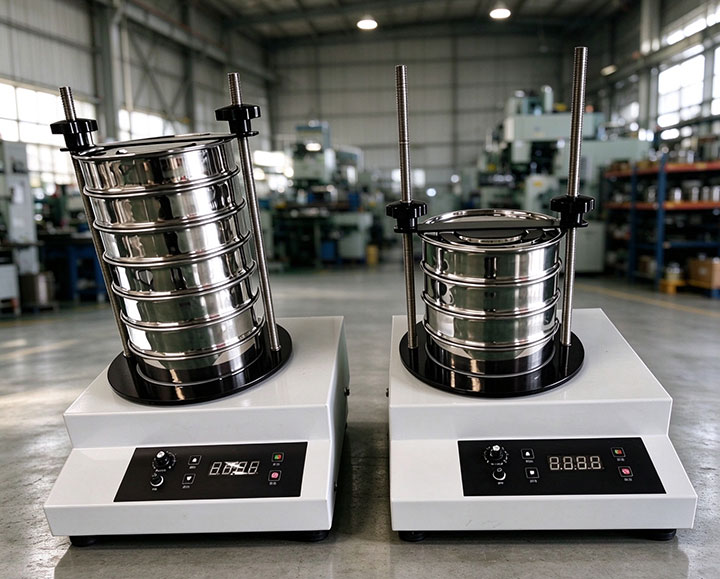
Common laboratory test sieve diameters include 200 mm and 300 mm. The selected diameter must match the machine's sieve holder and clamping arrangement. If you plan to use existing test sieves, check their frame diameter and overall height before ordering.
Mesh openings should be selected according to the expected particle size range and the purpose of the test. A series of progressively smaller openings allows the sample to be separated into several fractions. Stainless steel mesh is available in different aperture sizes to meet specific testing requirements.
Before confirming the configuration, provide the required sieve diameter, mesh openings and number of sieve layers. This helps ensure that the test sieves, receiving pan, cover and clamping system are compatible with the selected machine.
Materials That Can Be Tested with a Stainless Steel Sieve Shaker
A stainless steel automatic sieve shaker can be used to examine the particle size distribution of suitable powders and granules. The material's particle size, moisture content and tendency to agglomerate should be considered when choosing the sieve mesh and testing method.
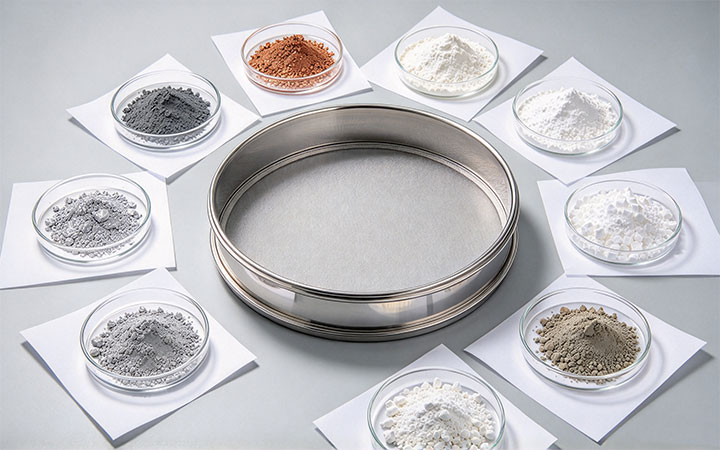
Metal Powders: Iron powder, copper powder, aluminum powder and alloy powders can be evaluated to determine the distribution of different particle size fractions.
Food Ingredients: Flour, starch, sugar and other dry food ingredients can be checked for particle size consistency during production and quality inspection.
Pharmaceutical Raw Materials: Suitable pharmaceutical powders and granules can be tested to examine particle size distribution for material quality control.
Mineral Powders: Ground minerals and other granular materials can be separated into size fractions for laboratory analysis.
Fine, cohesive or moisture-sensitive samples may require adjustments to the testing procedure or additional screening methods. The mesh aperture and sample quantity should be selected according to the characteristics of the material rather than using the same settings for every test.
Choosing the Right Stainless Steel Automatic Sieve Shaker Configuration
The right configuration depends on the sample being tested and the level of particle size separation required. Before selecting a machine, consider the following points:
| Selection Factor | What to Consider |
|---|---|
| Sample Type | Powder, granules or other dry materials with suitable sieving characteristics. |
| Sieve Diameter | Choose a diameter compatible with the required sample quantity and machine holder. |
| Mesh Aperture | Determine the particle size range that needs to be separated or measured. |
| Number of Sieve Layers | Match the number of sieves to the required particle size fractions. |
| Contact Material | Select SS304 or SS316 according to sample properties and cleaning conditions. |
| Power Supply | Confirm the voltage and frequency required at the installation site. |
If you are unsure which configuration is suitable, provide the material name, approximate particle size range, required sieve diameter and expected sample quantity. These details help us recommend a practical setup instead of adding unnecessary options to the machine.
Cleaning and Maintaining the Stainless Steel Sieve Shaker
Powder residues can remain on the mesh, sieve frame and contact surfaces after testing. Cleaning these parts between samples helps prevent material carryover, particularly when the stainless steel automatic sieve shaker is used to test different materials in succession.
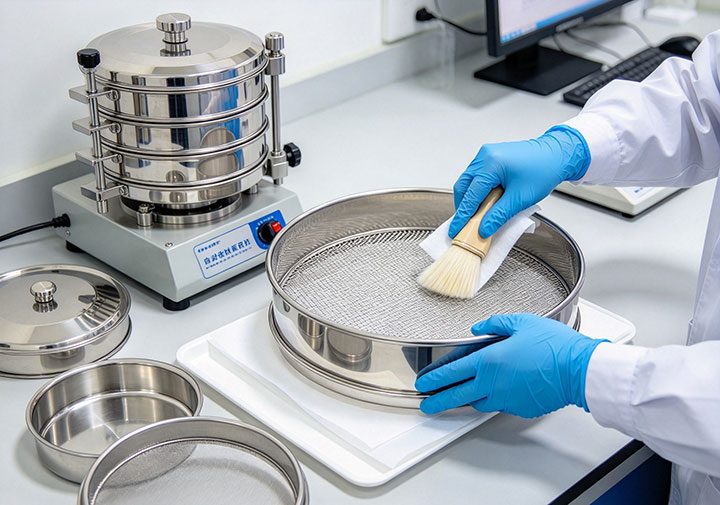
Clean the test sieves: Remove residual particles from the mesh using a cleaning method suitable for the mesh size and material. Avoid tools that could stretch or damage the screen.
Check the sieve frames: Inspect the frame edges and mesh joints for damage, deformation or loose connections.
Clean contact surfaces: Remove accumulated powder from the receiving pan, cover and other sample-contact parts after each test.
Inspect the clamping system: Check that the sieve stack is held securely before starting another screening cycle.
Check machine components: Periodically inspect fasteners, electrical connections and the vibration motor according to the equipment maintenance instructions.
For stainless steel components, use cleaning agents compatible with the selected steel grade. Chloride-containing cleaners and unsuitable abrasive tools should be avoided because they may damage the surface. All parts should be properly dried before storage when required by the cleaning procedure.
Machine Configuration, Quality Inspection and Manufacturer Support
Before production, the machine configuration can be checked against the customer's testing requirements, including sieve diameter, sieve layer quantity, stainless steel grade and power supply. This helps ensure that the supplied shaker and its accessories match the intended laboratory setup.
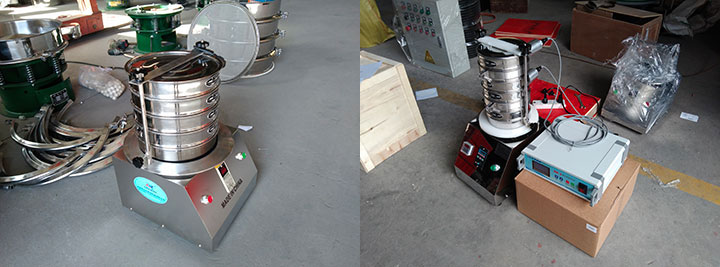
As a sieve shaker manufacturer, Dahan can provide equipment configurations and matching test sieve accessories according to the confirmed model and application requirements. Customers can also specify their preferred sieve aperture sizes and material options when discussing an order.
Before shipment, the machine should undergo the applicable assembly and operational checks. The supplied configuration and accessories can be confirmed against the order details to reduce discrepancies during installation and use.
For a product recommendation or quotation, please provide the material to be tested, required sieve diameter, mesh sizes, number of sieve layers and local power supply. Our team can use this information to help identify a suitable configuration.
Frequently Asked Questions
Can I use my existing test sieves with this machine?
Existing test sieves may be used if their diameter, frame height and clamping arrangement are compatible with the shaker. Please provide the sieve dimensions before ordering so compatibility can be checked.
Should I choose SS304 or SS316 stainless steel?
SS304 is commonly used for general laboratory applications. SS316 may be more suitable when samples or cleaning conditions involve substances that require greater corrosion resistance. The choice should be based on the actual material-contact conditions.
How many test sieves can the machine hold?
The number of sieve layers depends on the machine model, sieve diameter and sieve stack configuration. Please confirm the required number of layers when requesting a quotation.
Can the machine be supplied with different power specifications?
Power supply requirements can be discussed when configuring the machine. Please provide your local voltage and frequency so the available electrical configuration can be confirmed before ordering.