Mechanical Sieve Shaker for Particle Size Analysis
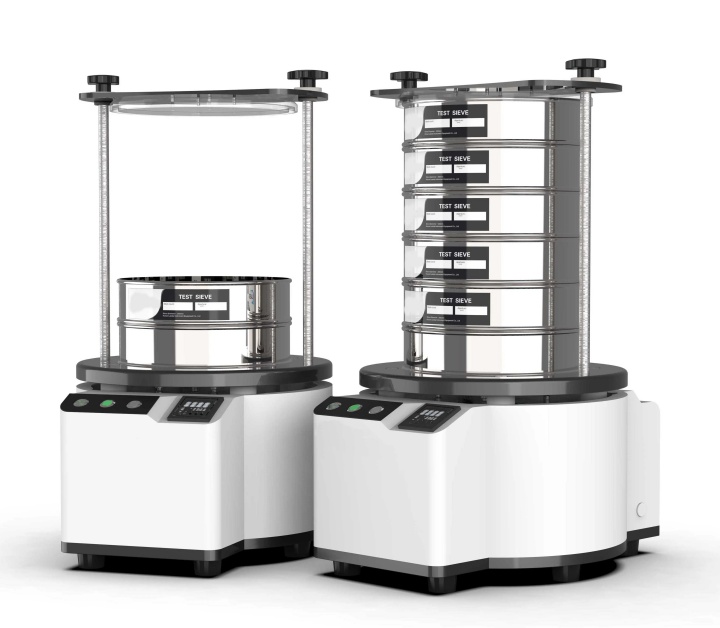
The Mechanical Sieve Shaker is designed for laboratory particle size analysis and material classification using a stack of test sieves.
It combines circular shaking with vertical tapping to distribute particles across the sieve surface and separate different size fractions.
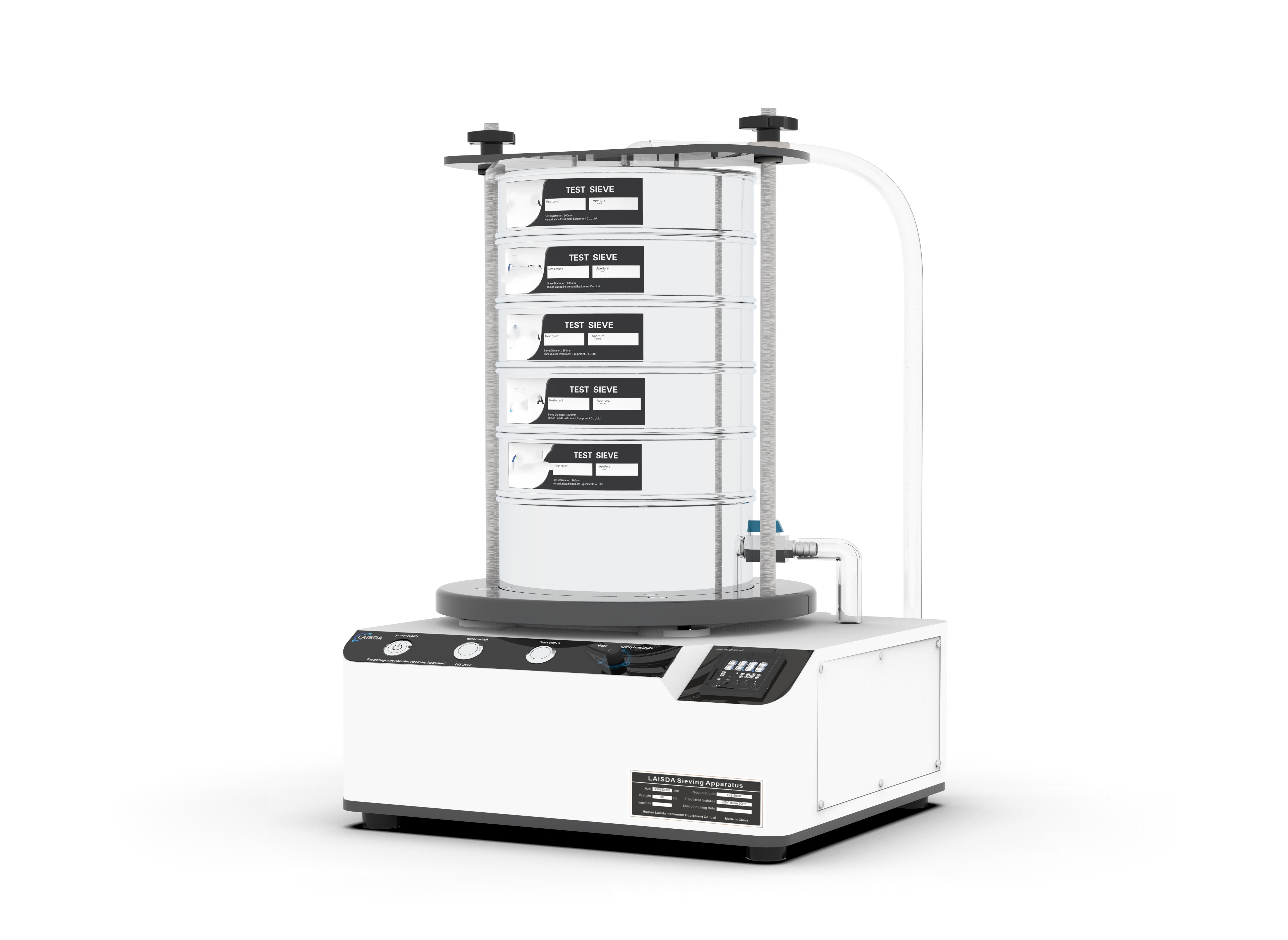
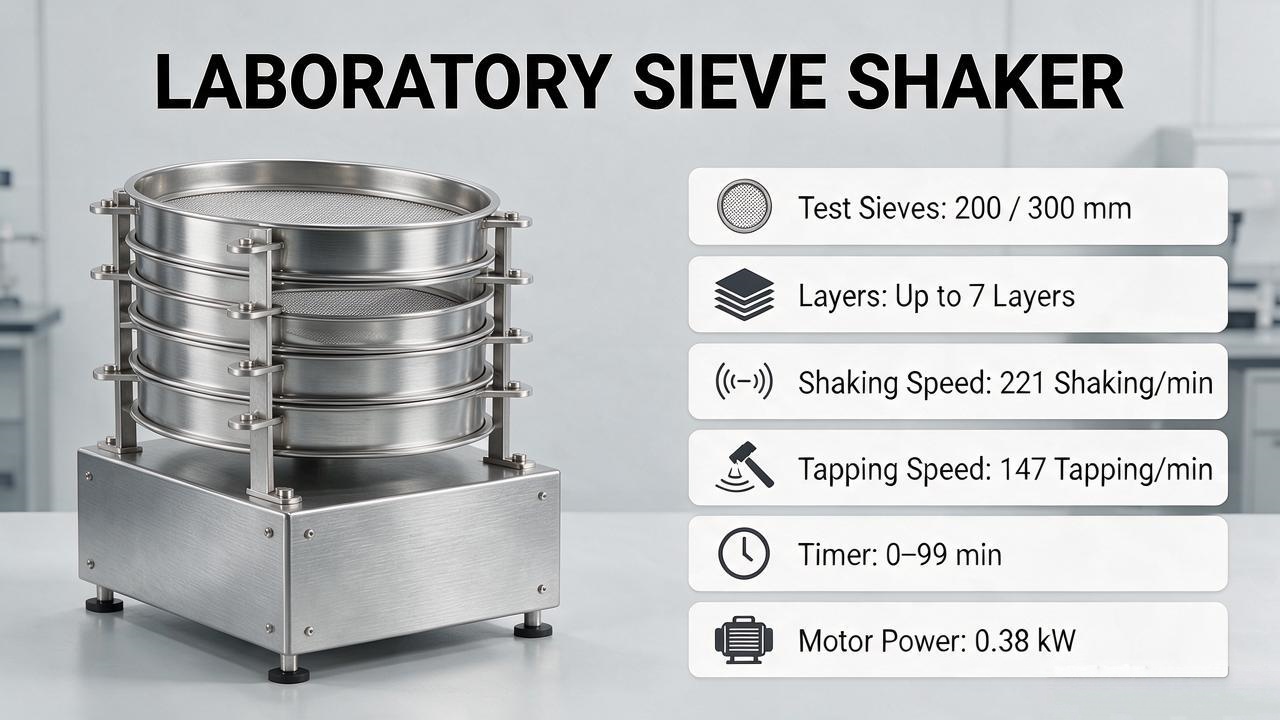
The equipment supports 200 mm and 300 mm test sieve configurations and provides a 0–99 minute timing range for controlled laboratory testing.
Key Features of the Mechanical Sieve Shaker
Dual Mechanical Sieving Motion
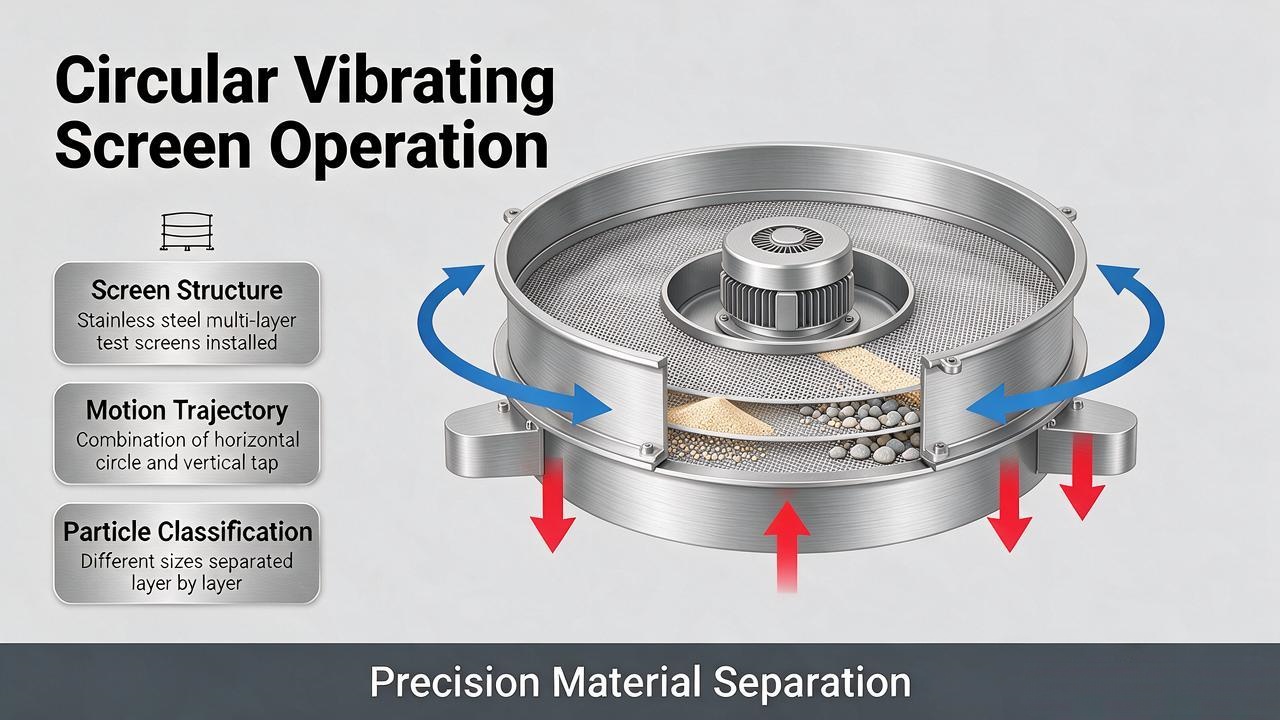
The machine combines circular movement with vertical tapping.
Circular movement distributes the sample across different areas of the mesh, while vertical tapping changes particle orientation and assists near-size particles in reaching suitable sieve openings.
The shaker provides approximately 221 shaking movements per minute and 147 vertical taps per minute.
200 mm and 300 mm Test Sieve Compatibility
The shaker supports 200 mm and 300 mm test sieve configurations.
Multiple Sieve Layers
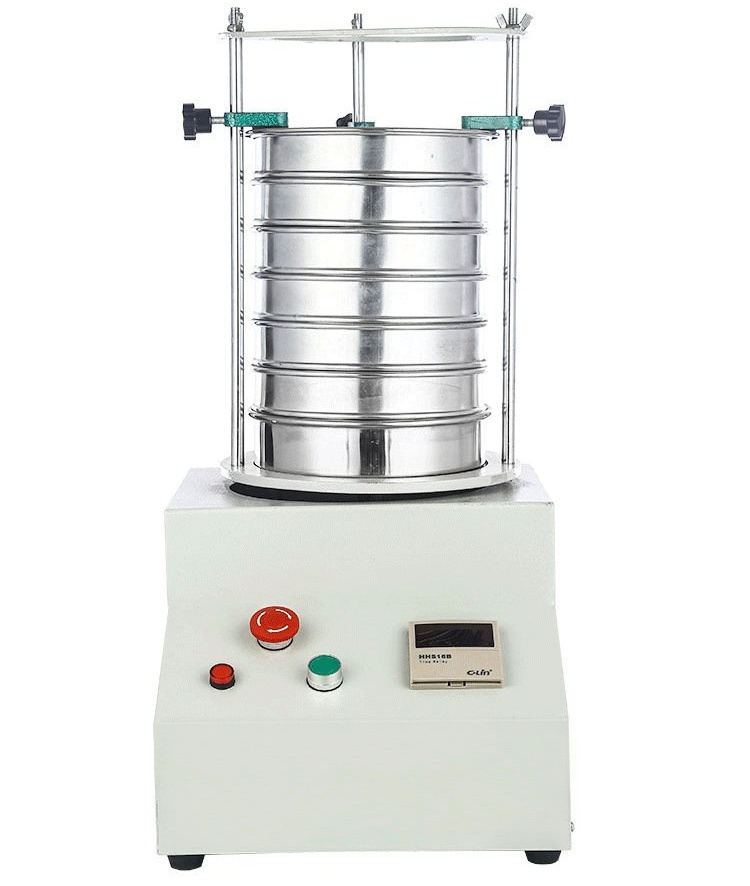
Multiple test sieves can be stacked for simultaneous separation of several particle size fractions, with up to 7 sieve layers in the current configuration.
Adjustable Sieving Time
A 0–99 minute timer allows the operator to establish a consistent sieving duration for comparable laboratory tests.
Technical Specifications
| Parameter | Specification |
|---|---|
| Sieve Diameter | 200 / 300 mm |
| Sieve Capacity | Up to 7 layers |
| Shaking Rate | 221 times/min |
| Tapping Rate | 147 times/min |
| Sieve Aperture Range | 0–0.038 mm |
| Timer | 0–99 min |
| Turning Radius | 12.5 mm |
| Tapping Distance | 10 mm |
| Motor Power | 0.38 kW |
| Motor Speed | 2800 rpm |
| Power Supply | 380 V |
| Dimensions | 586 × 370 × 952 mm |
How Does a Mechanical Sieve Shaker Work?
How Does a Mechanical Sieve Shaker Work?
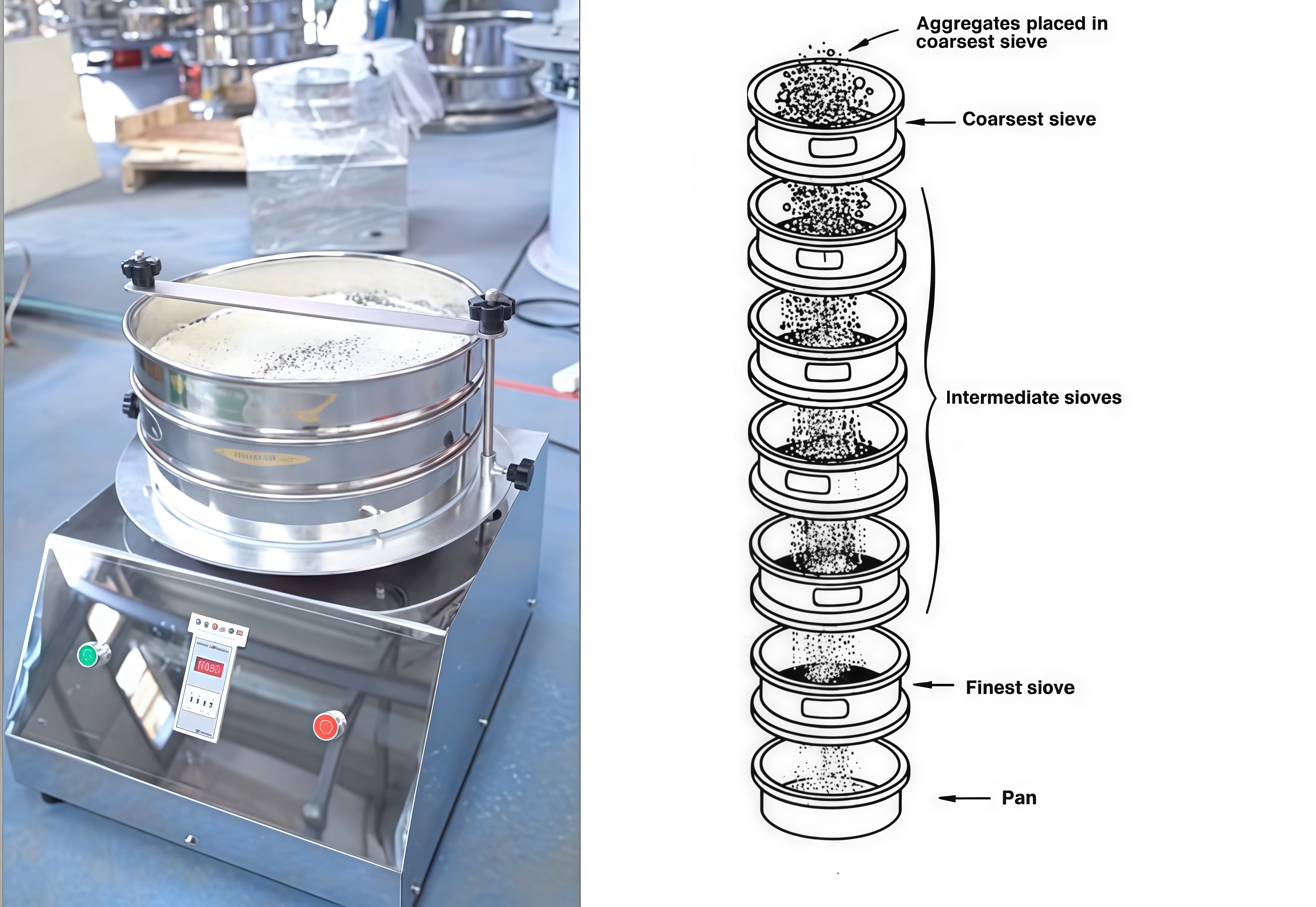
The Mechanical Sieve Shaker uses a motor-driven transmission and eccentric mechanism to generate controlled movement of the sieve stack.
Circular Movement
The motor drives the eccentric mechanism, causing the sieve stack to move along a controlled circular path.
This distributes the sample across the mesh and helps reduce localized material buildup.
Vertical Tapping
A mechanical tapping mechanism produces repeated vertical impacts on the sieve stack.
This helps particles change orientation and assists particles close to the aperture size in reaching suitable openings.
Particle Separation
Smaller particles pass through the appropriate sieve openings while larger particles remain above the mesh.
When sieves with progressively smaller apertures are stacked together, several particle size fractions can be separated during one test.
Mechanical Sieve Shaker Applications
Mechanical Sieve Shaker Applications
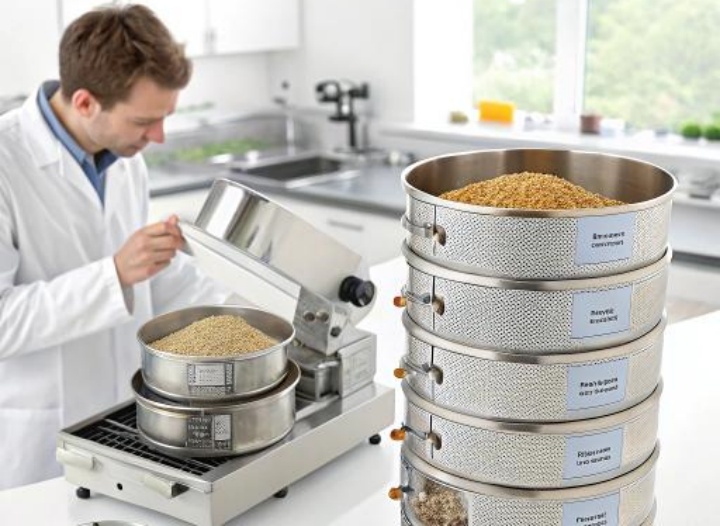
The equipment is suitable for particle size analysis and material classification in laboratory and quality control applications.
Mining and Mineral Materials
Granular mineral materials can be separated into different size fractions for laboratory evaluation and material inspection.
Construction Materials
Sand, aggregate and other granular construction materials can be classified by particle size for testing and quality control.
Coal and Bulk Granular Materials
The machine can be used for laboratory screening of coal and other bulk materials where particle size distribution is important.
Compatible Test Sieves and Sieve Capacity
Compatible Test Sieves and Sieve Capacity
| Test Sieve Factor | Available Configuration | Selection Consideration |
|---|---|---|
| Sieve Diameter | 200 / 300 mm | Match the shaker and test sieve |
| Sieve Aperture Range | 0–0.038 mm | Select openings according to the required particle size range |
| Sieve Capacity | Up to 7 layers | Determine the number of particle size fractions required |
Arrange progressively smaller apertures according to the required particle size fractions and match the sieve stack to the machine configuration.
Mechanical Sieve Shaker vs. Other Sieve Shaker Types
Mechanical Sieve Shaker vs. Other Sieve Shaker Types
Different shaker mechanisms provide different forms of mechanical energy.
A system using circular movement and tapping is suitable when continuous sample redistribution and vertical impact are required.
| Sieve Shaker Type | Main Movement | Typical Application |
|---|---|---|
| Mechanical Sieve Shaker | Circular movement + vertical tapping | General particle size analysis |
| Electromagnetic Sieve Shaker | Controlled electromagnetic vibration | Fine laboratory particle testing |
| Ultrasonic-Assisted Sieve Shaker | Ultrasonic assistance + vibration | Fine powder screening and mesh deblinding |
How to Choose a Mechanical Sieve Shaker
How to Choose a Mechanical Sieve Shaker
Selection should begin with the testing requirements, sieve configuration and material characteristics.
| Selection Factor | What to Check | Why It Matters |
|---|---|---|
| Sieve Diameter | 200 mm or 300 mm | Must match the test sieve |
| Sieve Layers | Required number of particle fractions | Determines stack capacity |
| Particle Size Range | Largest and smallest particle size | Determines aperture selection |
| Material | Particle shape, moisture and flowability | Affects sieving behavior |
| Power Supply | Local voltage and frequency | Supports electrical compatibility |
| Testing Time | Required sieving duration | Helps maintain consistent testing |
Frequently Asked Questions
Frequently Asked Questions
Can 200 mm and 300 mm test sieves be used?
The available configuration supports 200 mm and 300 mm test sieve arrangements.
The required diameter should be confirmed before ordering.
How many sieve layers can be installed?
The current configuration supports up to 7 sieve layers, depending on the selected sieve arrangement.
What is the sieving time range?
The timer can be adjusted from 0 to 99 minutes.
What information is needed for a quotation?
Provide the material being tested, sieve diameter, particle size range, required sieve layers, quantity and local voltage and frequency.
Request a Quote for a Mechanical Sieve Shaker
Dahan provides Mechanical Sieve Shaker configurations for laboratory particle size analysis and material classification.
For an accurate quotation, provide the material type, sieve diameter, particle size range, required sieve layers, quantity and local voltage/frequency.
For special sieve arrangements or laboratory requirements, include the required dimensions and operating conditions with the inquiry.
Dahan focuses on screening equipment for laboratory testing, particle size analysis and material classification applications.