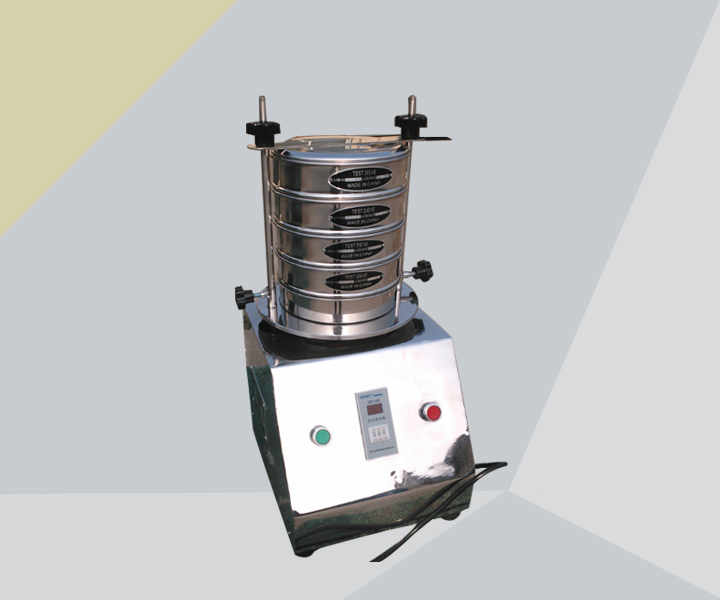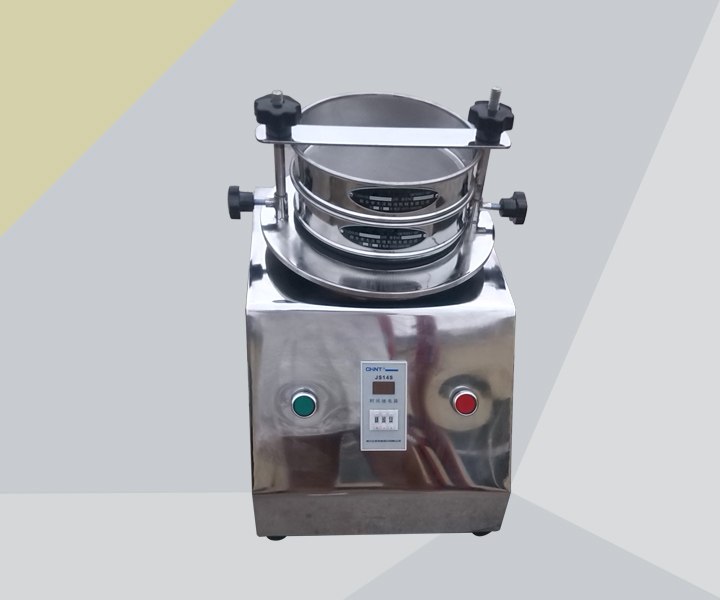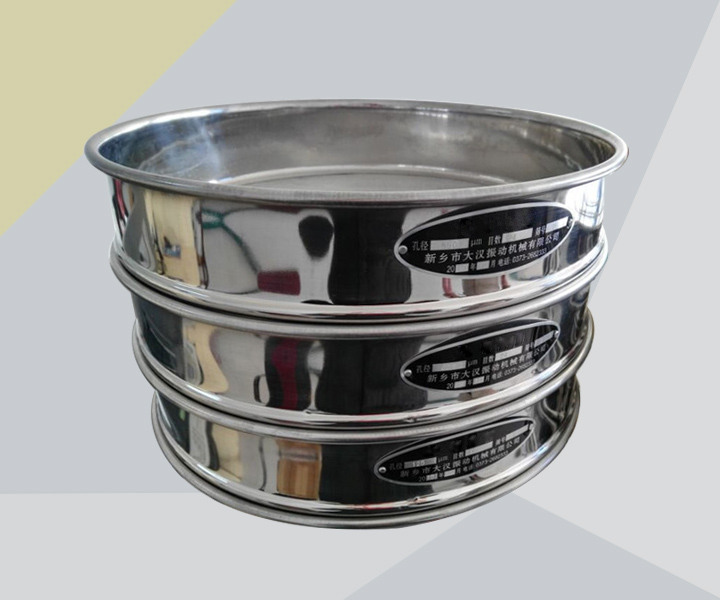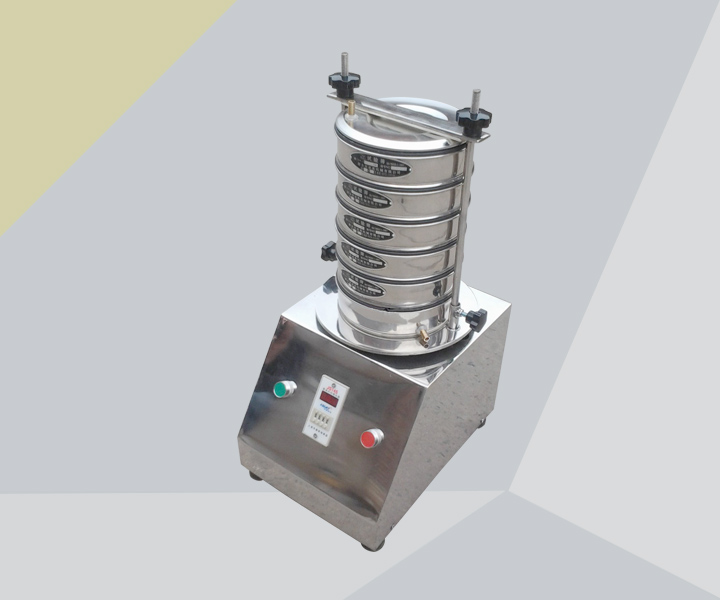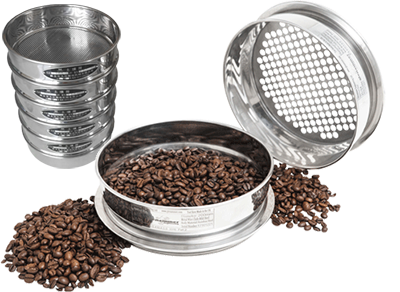
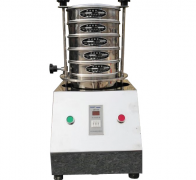
Soil analysis sieve analyzes the physical properties of soil samples through particle size classification. This equipment is usually composed of wire mesh or perforated plates of different specifications. It is used with a special sieve frame and an oscillating device to complete multi-stage separation from coarse gravel to clay particles. In practical applications, it is necessary to select a suitable sieve size combination according to the test standard, and ensure the repeatability of the results through a standardized sieve vibration process.
Working principle of soil analysis sieve
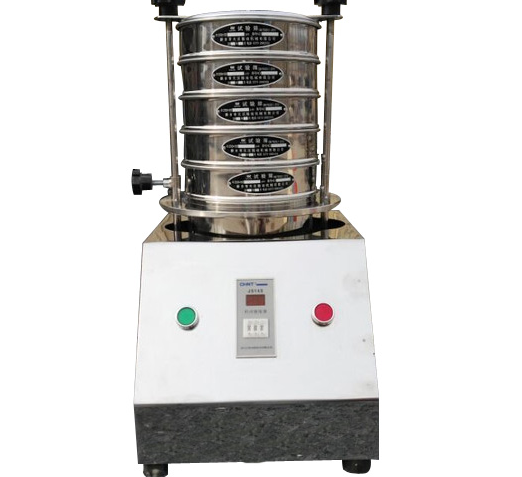
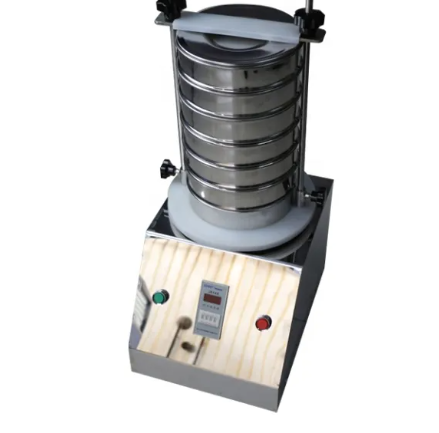
Soil analysis sieve is composed of multiple layers of sieves and vibration components, and achieves graded separation of soil particles through high-frequency vibration. When the soil sample is placed on the sieve surface, the kinetic energy generated by the vibration causes the particles to move in three dimensions. Particles with a particle size smaller than the sieve hole pass through the sieve under the combined action of gravity and vibration, while larger particles are retained in the upper layer. This process continues until the particles of each particle size are stratified, forming a distribution structure with decreasing particle size from top to bottom.
Soil analysis sieve generally adopts electromagnetic vibration or mechanical eccentric wheel drive system, with an adjustable vibration frequency range of 100-300 times/minute. With a standardized sieve hole series of 0.074mm to 60mm, it can meet the needs of wide-range particle size analysis from clay to gravel. Taking the φ200mm standard sieve set as an example, it contains 10 layers of sieves with different apertures, which can simultaneously complete the synchronous separation of 10 particle sizes through stacking and combination.
Structural features and materials of soil analysis sieve
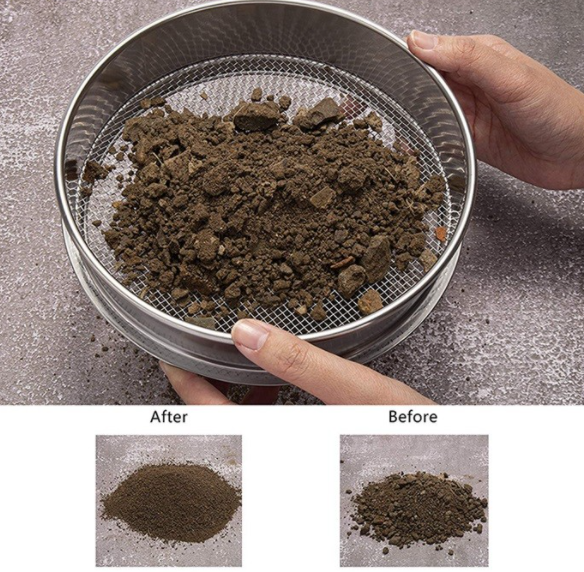
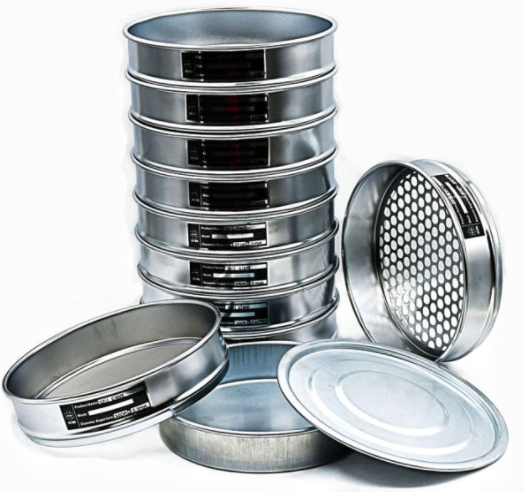
The main body of the equipment adopts modular design, mainly composed of sieve frame, sieve, bottom cover and vibration base. The selection of sieve frame material needs to take into account mechanical strength and corrosion resistance:
304 stainless steel frame: suitable for routine soil analysis, acid and alkali corrosion resistance, service life of more than 5 years
Chrome-plated cold-rolled steel plate: enhance surface hardness, suitable for high-frequency laboratory use scenarios
Engineering plastic frame: lightweight design, reduce operating fatigue, but limited temperature resistance
Wire mesh: square hole weaving process, aperture range 0.02-2.36mm, opening rate can reach more than 60%
Punching plate sieve: round hole/square hole stamping, aperture 0.2-100mm, suitable for coarse particle analysis
Electroformed sieve: nanometer aperture control is achieved through electroplating process, error range ≤0.005mm
The sieve fixing method directly affects the equipment accuracy. The current mainstream products use soldering sealing process to ensure that the gap between the sieve and the frame is ≤0.05mm, which effectively prevents particles from being embedded. Some high-end models are equipped with a screen tension monitoring system to compensate for deformation caused by vibration in real time.
Uses of Soil analysis sieve
Particle size distribution analysis
Application scenario: Soil fertility evaluation in agricultural research.
Specific use: Establish a correlation model between particle size and organic matter content. There is a certain correlation between soil particle size and organic matter content. Through particle size analysis, we can understand the distribution of organic matter in the soil and provide a reference for reasonable fertilization.
Application scenario: Sedimentary environment inference in geological exploration.
Specific use: Infer the sedimentary environment based on the soil particle size distribution characteristics. Soils formed under different sedimentary environments have different particle size characteristics. Through analysis, we can understand the changes in sedimentary environment during the geological history.
Sample pretreatment
Application scenario: Heavy metal detection in environmental monitoring.
Specific use: Use nylon sieve to remove coarse particles to ensure sample uniformity. Heavy metal detection has certain requirements for sample particle size. Through sieving, we can obtain sample particle size that meets the detection requirements and improve the accuracy of the test results.
Application scenario: Research and development of new fertilizers in agricultural research.
Specific use: Evaluate the release characteristics of controlled-release fertilizers in soils with specific particle sizes. Soils of different particle sizes have different adsorption and release abilities for fertilizers. Through screening, the release law of fertilizers in soils of different particle sizes can be studied, providing a basis for fertilizer research and development.
Application scenario: Quality inspection of building materials in construction projects.
Specific uses: such as particle size analysis of sand and gravel aggregates. The particle size of sand and gravel aggregates has an important influence on the performance of concrete. Through screening, the particle size distribution of sand and gravel aggregates can be controlled to ensure the quality of building materials.
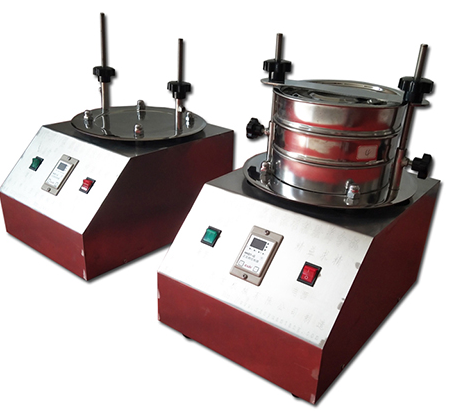
Soil analysis sieves must strictly follow industry regulations in daily operations, including regular calibration of sieves, sample pretreatment, and recording of classification results. Differentiated vibration sieve parameters and time control are required for different types of soils, such as sandy soil, clay soil, or mixed soil samples, to avoid particle crushing or classification errors. In terms of equipment maintenance, cleaning sieve residues, checking frame sealing, and lubricating mechanical parts are the key to ensuring long-term stability.