Why Does Particle Size Analysis Matter in Pharmaceutical Manufacturing?
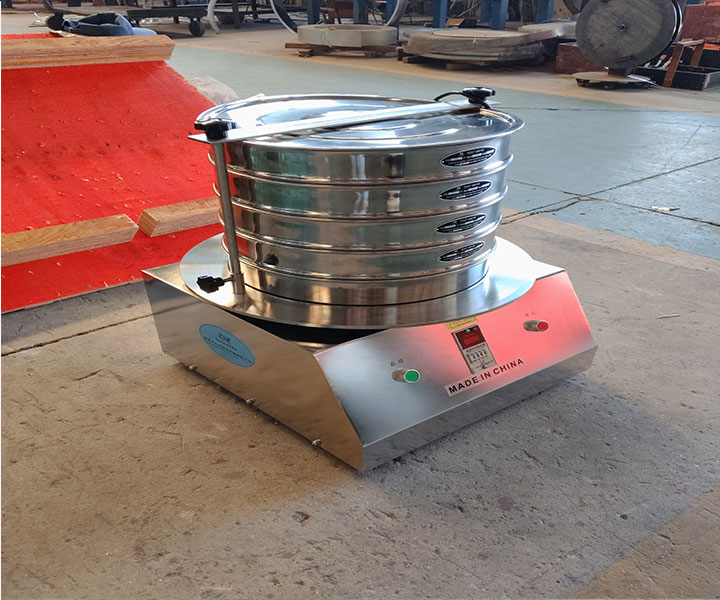
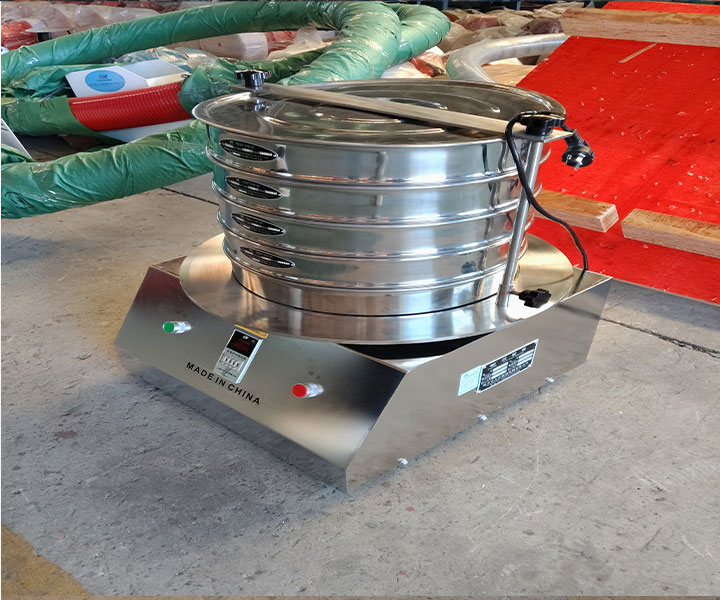
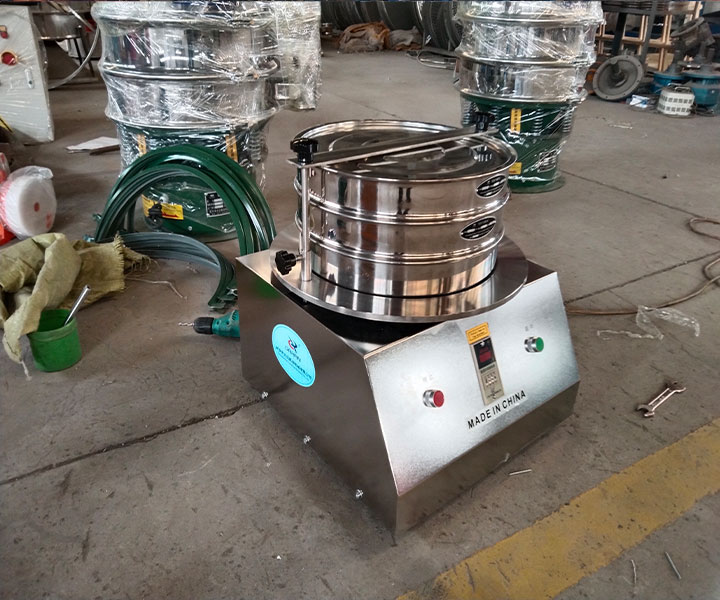
A sieve shaker for pharmaceutical powder is a GMP-compliant laboratory instrument used to measure particle size distribution of active pharmaceutical ingredients (APIs) and excipients, directly impacting drug dissolution, bioavailability, content uniformity, and tableting performance.
For QC laboratories and production facilities operating under GMP regulations, the sieve shaker remains the industry standard for particle size analysis, providing documented, traceable results suitable for regulatory submissions.
This guide covers technology selection, critical specifications, GMP compliance, application-specific solutions, common sieving challenges, and a practical selection framework.What Types and Technologies of Pharmaceutical Sieve Shakers Are Available?
Sieve Shaker for Pharmaceutical Powder: The Precision Standard for GMP QC
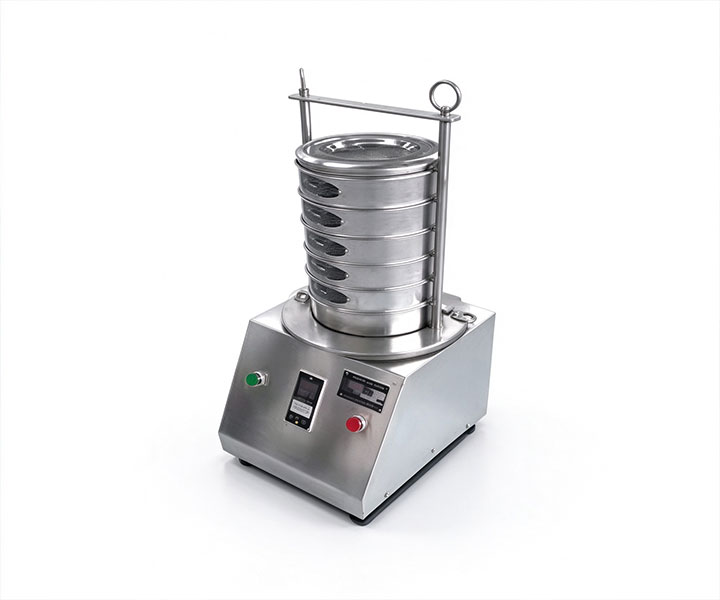
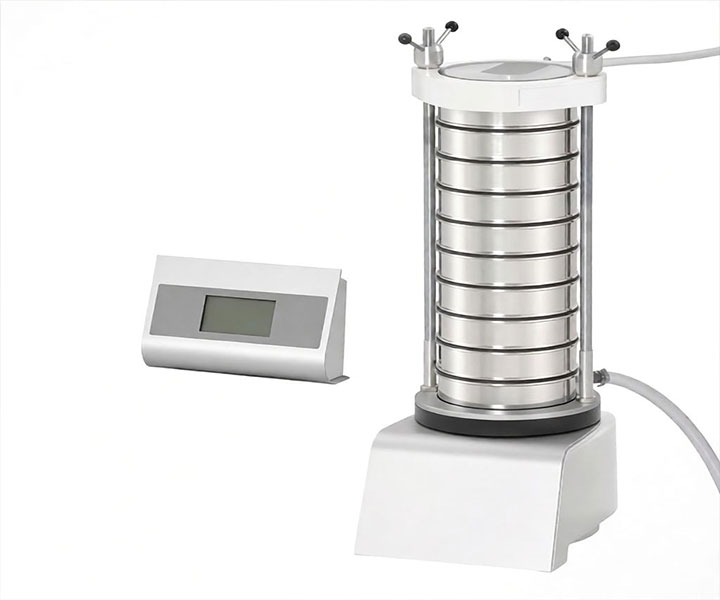
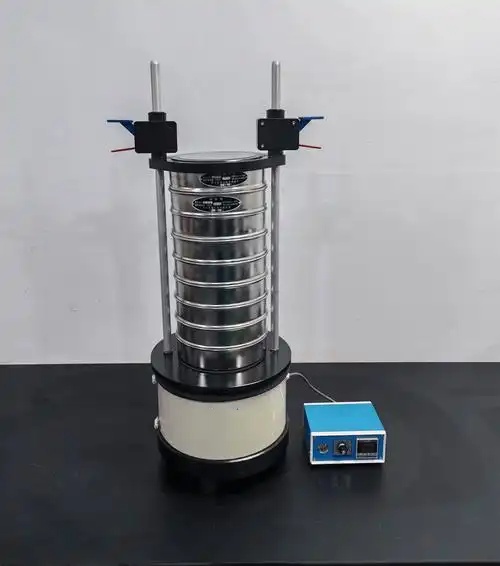
sieve shaker for pharmaceutical powder generates vibration through an electromagnetic drive system. They are the high-precision choice for pharmaceutical QC where repeatability is non-negotiable, making them the primary equipment for GMP-compliant quality control and regulatory method validation.
Best for:High-repeatability API quality control
Quiet laboratory environments (<50 dB)
Precise amplitude control for method-compliant results
For QC laboratories requiring documented reproducibility, the electromagnetic pharmaceutical sieve shaker for powder is the most widely adopted choice. Real-world application: Electromagnetic shakers deliver the reproducibility needed to pass regulatory audits, maintaining consistent vibration amplitude regardless of sample load—ensuring results remain comparable across batches, operators, and shifts.
Mechanical / Vibratory Sieve Shakers: Robust Performance for Production
Mechanical shakers use a motor-driven eccentric mechanism. They are robust and suited for larger sample volumes.
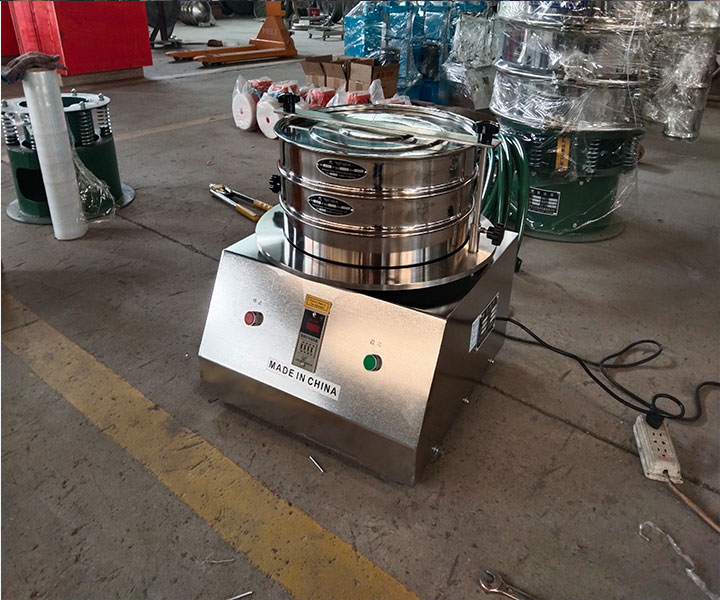
Best for:Processing larger sample volumes (up to 20 kg)
Granular materials not requiring ultra-fine precision
Cost-effective production monitoring
Air Jet Sieve Shakers: For Fine, Cohesive, and Electrostatic Powders
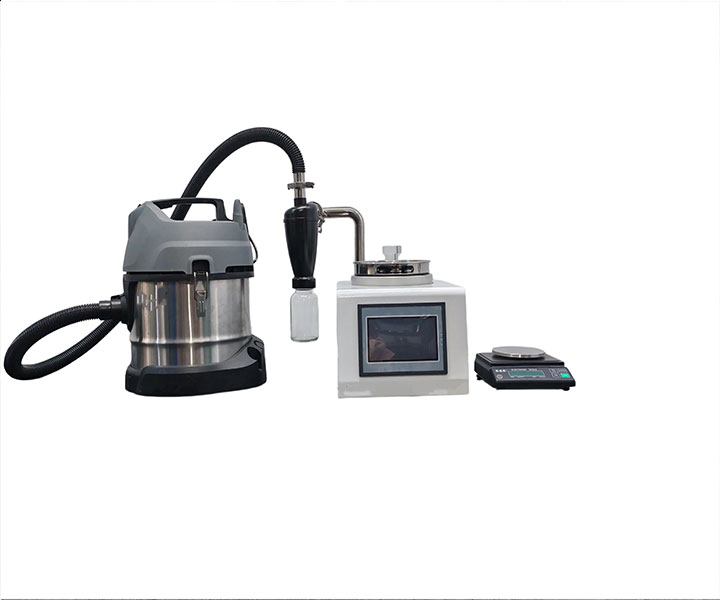
Air jet shakers use a controlled air stream to disperse fine powders through the sieve mesh.
Best for:Very fine powders (from 10 µm)
Oily, agglomerating, or electrostatic powders
Clean, fast analysis without mechanical agitation
Real-world application: When cohesive APIs cause mesh blinding within minutes on mechanical shakers, air jet technology delivers complete dispersion and accurate results without frequent cleaning interruptions.
Ultrasonic Sieve Shakers: Eliminating Mesh Blinding
Ultrasonic technology applies high-frequency vibrations directly to the sieve mesh, preventing powder adhesion and blockage.
Best for: Sticky, hygroscopic, or agglomerating powders
Screening on finer meshes (below 50 µm)
High-value materials where sample loss must be minimized
Real-world impact: Implementing ultrasonic deblinding typically increases screening efficiency by 40% and reduces operator intervention time by 75%.
The following decision matrix helps you evaluate which sieve shaker for pharmaceutical powder technology best matches your specific application requirements:
Decision Matrix: Which Technology Fits Your Application?
|
Technology |
Best Application |
Powder Type |
Noise |
Precision |
|
Electromagnetic |
API QC, method validation |
Fine, controlled powders |
Low |
Very High |
|
Mechanical/Vibratory |
Production monitoring |
Granular, larger particles |
Moderate |
Moderate |
|
Air Jet |
Cohesive, electrostatic powders |
Very fine (<20µm), sticky |
Moderate |
High |
|
Ultrasonic |
Blinding-prone powders |
Sticky, agglomerating |
Low |
High |
What Are the Critical Specifications and Technical Parameters?
|
Parameter |
Typical Range |
Significance for Pharmaceutical Applications |
|
Measuring range |
20 µm – 30 mm |
Determines particle sizes you can analyze |
|
Maximum sample load |
0.1 – 20 kg |
QC labs need smaller loads; production may require larger |
|
Sieve diameter |
75–300 mm |
200 mm is most common for pharmaceutical QC |
|
Number of sieves |
Up to 17 stages |
More stages enable finer fractionation |
|
Amplitude range |
0 – 3 mm |
Adjust intensity for delicate APIs to prevent degradation |
|
Vibration frequency |
Up to 3000/min |
Higher speeds improve separation but may degrade sensitive materials |
|
Timer range |
1 sec – 9999 sec |
Enables standardized, reproducible test durations |
|
Noise level |
< 50 dB |
Critical for laboratory working environments |
Key Practical Considerations:
Amplitude Control: A 0–3 mm range allows fine-tuning for delicate APIs to prevent particle degradation. Over-aggressive sieving can break down friable particles, leading to inaccurate results.
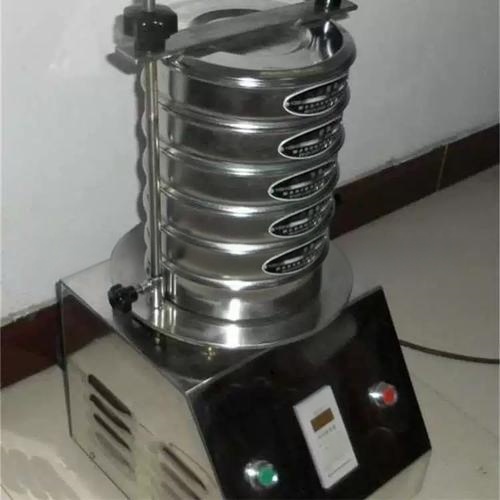
Certified Sieves: Individual calibration certificates confirming aperture accuracy are essential for regulatory compliance. Each sieve should have traceable certification.
Timer Precision: For USP <786>, timers should be accurate to within ±1 second per minute.
What GMP Compliance and Regulatory Standards Apply?
Sieve shaker for pharmaceutical powder must demonstrate compliance with applicable standards—not just list them.
Key Compliance Requirements
GMP (Good Manufacturing Practice):
Contact parts manufactured from pharmaceutical-grade stainless steel (316L)—this grade resists corrosion and minimizes particle shedding
Smooth, crevice-free surfaces—prevent powder accumulation and enable thorough sanitation
Enclosed, sealed design—prevents powder escape and cross-contamination
Documented validation and calibration procedures (IQ/OQ/PQ protocols)
USP (United States Pharmacopeia):
USP <786>: Particle Size Distribution Estimation by Analytical Sieving
USP <811>: Powder Fineness
EP (European Pharmacopoeia):
EP 2.9.38: Particle Size Analysis by Sieving
ISO Standards:
ISO 3310 for test sieves; ISO 2591 for test sieving procedures
How Equipment Supports Validation and Calibration
Monthly calibration of timer functions against certified reference clocks
Tolerance verification (e.g., ± 1 minute at specified intervals)
Documentation of all calibration activities
Post-maintenance recalibration
Data Integrity and ALCOA Principles
Modern sieve shakers with digital controls support ALCOA principles:
|
Principle |
How Equipment Supports It |
|
Attributable |
User login systems identify who performed the analysis |
|
Legible |
Digital displays eliminate handwriting errors |
|
Contemporaneous |
Real-time recording prevents back-dating |
|
Original |
Retained raw data that cannot be altered |
|
Accurate |
Validated performance ensures measurement accuracy |
For FDA 21 CFR Part 11 compliance, choose equipment with user authentication, electronic record retention, complete audit trails, and secure data management.
What are the sieve shaker for pharmaceutical powder applications?
API Testing
Challenge: Incoming API batches must meet particle size specifications.
Solution: Validated sieve shakers with certified sieves verify compliance.
Impact: One manufacturer reduced batch rejection rates by 23% through standardized sieve analysis for all incoming materials.
Excipient Qualification
Challenge: Variable excipient particle size affects blend uniformity.
Solution: Sieve analysis confirms excipients meet requirements before formulation.
In-Process Control
Challenge: Granulation processes drift, affecting downstream operations.
Solution: Sieve analysis provides real-time feedback.
Granule Size Verification: Ensures specifications for tableting
Blend Uniformity: Monitors distribution during blending
Finished Product Quality Control
Content Uniformity: Particle size consistency directly impacts drug distribution
Dissolution Performance: Particle size affects dissolution rate and bioavailability
Specialized Applications
Sterile API Processing: Equipment for isolators with easy-sanitized surfaces
High-Potency Compounds: Fully sealed systems with HEPA-filtered exhaust
Air Jet Sieving: For powders where vibratory methods are less effective
What Are the Common Sieving Challenges and Solutions?
Mesh Blinding
The problem: Mesh blinding occurs when fine pharmaceutical particles become lodged in sieve apertures, reducing effective open area and compromising analysis accuracy.
The solution: Ultrasonic deblinding systems transmit high-frequency vibrations directly to the sieve mesh, clearing lodged particles.
Quantifiable impact: Facilities implementing ultrasonic deblinding typically report 30-50% reduction in analysis time and significantly improved reproducibility.
Powder Agglomeration and Caking
The problem: Fine, moisture-sensitive powders tend to agglomerate, causing blockages.
The solution: Air jet sieving for cohesive powders; ultrasonic assistance to break agglomerates; controlled environmental conditions (relative humidity below 40%).
Real-world solution: A hygroscopic excipient manufacturer achieved reproducible results across operators using air jet sieving in a controlled environment.
Electrostatic Charging
The problem: Charged particles adhere to sieve surfaces, preventing proper classification.
The solution: Anti-static treatments, appropriate equipment design, environmental controls.
Sample Size Considerations
Requirement: Typically 50–150g, depending on the pharmacopoeial method.
Best practice: Use a sample splitter for representative samples. Never overload the sieve.
How to choose the right sieve shaker for pharmaceutical powder?
Step 1: Define Your Application Requirements
|
Consideration |
Questions to Ask |
|
Material type |
Fine powders, wet slurries, or coarse? Sticky, hygroscopic, or static-prone? |
|
Particle size range |
Required analysis range and precision? Need to measure below 50 µm? |
|
Sample volume |
Typical batch size? Samples per shift? |
|
Regulatory environment |
GMP, USP, EP? Need 21 CFR Part 11 compliance? |
Step 2: Evaluate Technology Options
|
Consideration |
Electromagnetic |
Mechanical |
Air Jet |
Ultrasonic |
|
Best for |
Fine powders, precision QC |
General purpose, large volumes |
Very fine (<20µm), cohesive |
Sticky, agglomerating |
|
Noise |
Low |
Moderate |
Moderate |
Low |
|
Precision |
Very High |
Moderate-High |
High |
High |
|
Investment |
Premium |
Moderate |
Premium |
Premium |
Decision Flowchart
Need very high precision for API QC? → Electromagnetic
Processing large sample volumes (>5 kg)? → Mechanical/Vibratory
Powder very fine (<20 µm), cohesive, or static-prone? → Air Jet
Powder causes frequent mesh blinding? → Ultrasonic
Step 3: Assess Compliance Capabilities
Does it meet GMP design requirements?
Are materials pharmaceutical-grade (316L stainless steel)?
Is the design conducive to thorough cleaning?
Does the manufacturer provide validation documentation?
Does it support data integrity (audit trails, electronic records)?
Step 4: Consider Operational Factors
Ease of use: Digital controls, preset programs
Data management: LIMS integration capability
Footprint: Available space
Supplier support: Spare parts, technical support
Step 5: Evaluate Total Cost of Ownership
Initial purchase price
Installation and training
Consumables (certified sieves, calibration services)
Maintenance and calibration frequency
Expected service life
Energy consumption
Decision Summary
|
Technology |
Choose If... |
|
Electromagnetic |
API QC where reproducibility is paramount |
|
Mechanical/Vibratory |
Routine testing with larger sample volumes |
|
Air Jet |
Fine, cohesive, or electrostatic powders |
|
Ultrasonic |
Sticky, agglomerating, or hygroscopic powders |
Frequently Asked Questions
How do I select the correct sieve size for my pharmaceutical powder?
Start with the pharmacopoeial standard (USP, EP) which specifies required sieve sizes. For exploratory analysis, use a nested stack covering the expected range—typically 850 µm down to 75 µm. Ensure you have sieves that bracket your specification limits.
How do pharmaceutical sieve shakers prevent cross-contamination?
Through enclosed, sealed chambers; pharmaceutical-grade stainless steel with crevice-free surfaces; quick-release mechanisms for easy cleaning; validated cleaning procedures; and dedicated sieve sets for different products.
What is the difference between electromagnetic and mechanical sieve shakers?
Electromagnetic: Precisely controlled vibrations, very high repeatability, quiet operation (<50 dB). Mechanical: Motor-driven, more robust, suited for larger volumes, less expensive but more noise and less precise control. For QC laboratories, electromagnetic is typically preferred.
What Are the Current Industry Trends?
Key trends shaping the pharmaceutical sieve shaker market:
Digitalization: Digital controls, data logging, LIMS integration—the real game-changer is seamless data integrity, eliminating transcription errors that cause audit findings
Automation: High-throughput systems reducing operator dependency and error
Data integrity and compliance: Audit trails, user authentication, electronic records are now expected
Forward-looking prediction: By 2028, AI-powered sieve analysis systems are expected to reduce manual QC intervention by up to 50%, with integrated pattern recognition identifying particle size anomalies in real time
Market Outlook: The global laboratory sieve shaker market is projected to grow from USD 817.7 million in 2025, with the pharmaceutical sector representing a significant and growing segment.
Conclusion
When evaluating a sieve shaker for pharmaceutical powder, prioritize:
Precision and reproducibility for reliable QC that withstands audits
GMP-compliant design with pharmaceutical-grade materials and demonstrable cleanability
Appropriate technology matched to your powder characteristics
Validation and calibration support with documentation
Data integrity features for regulatory compliance
Your next step: Use the selection guide above to evaluate your options. Start with a clear specification of your requirements, then use the decision matrix to identify which equipment merits further evaluation