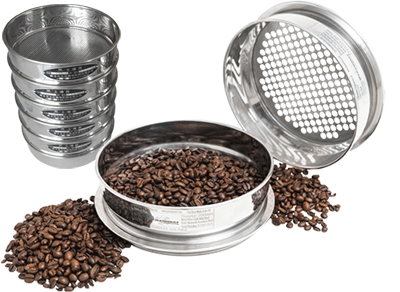
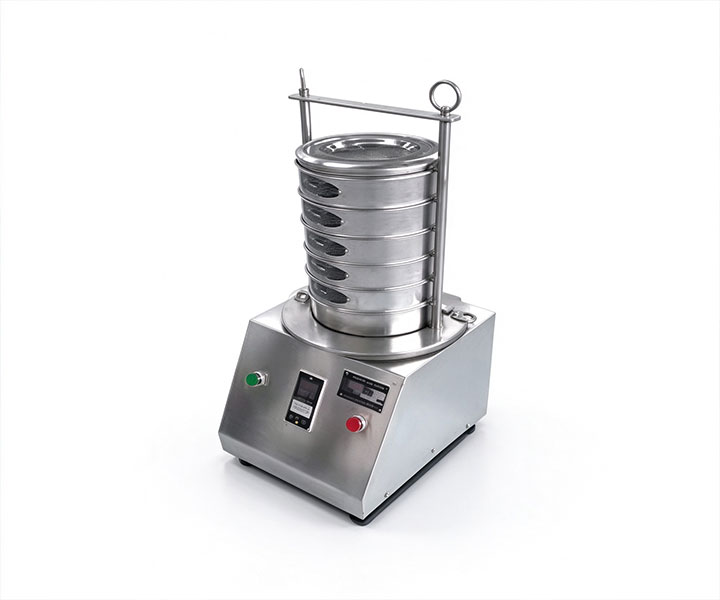
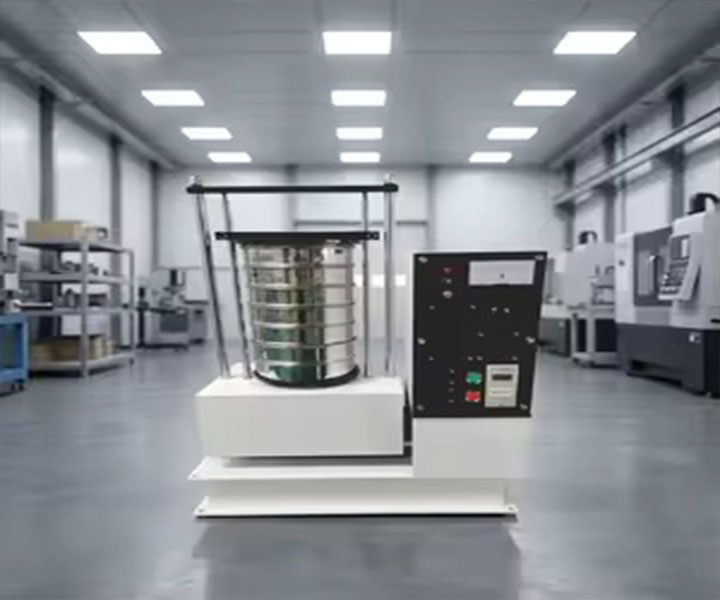
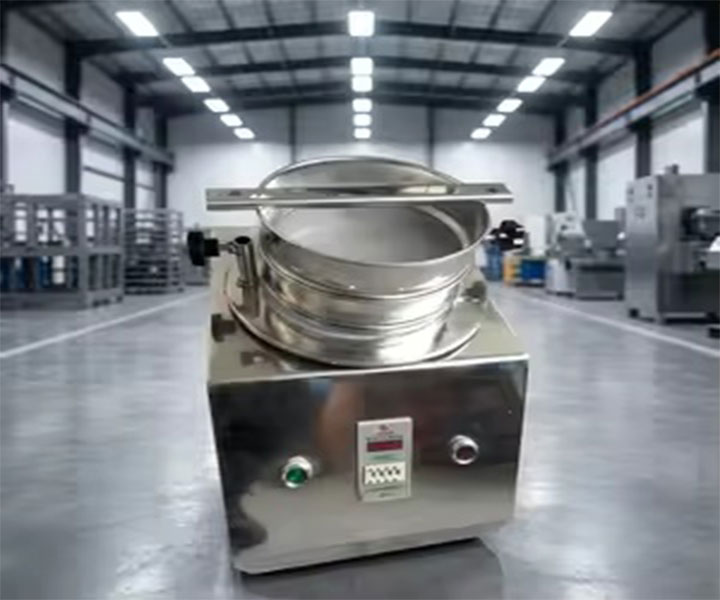
Laboratory sieves for pharmaceutical powders are a common device used in pharmaceutical research, production and quality control. Their main function is to separate and evaluate the particle size of various types of powders through physical vibration and sieves of different apertures, and to understand the particle size distribution of the powder, that is, the proportion of particles of different sizes in the total amount. The density, fluidity, hygroscopicity and other properties of the powder will affect its performance in the sieving process and the final sieving effect. Commonly used Laboratory sieves for pharmaceutical powders are equipped with mesh sizes ranging from about 10 mesh (aperture of about 2 mm) to 400 mesh (aperture of about 38 microns) to meet the specific requirements of different drugs. In terms of sieve material, considering the particularity of the drug and the laboratory environment, 304 or 316L stainless steel is usually used to ensure corrosion resistance, easy cleaning and avoid contamination of the powder.
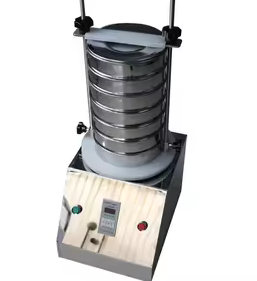
What is the sieve mesh number of Laboratory sieves for pharmaceutical powders?
Laboratory sieves for pharmaceutical powders are available in a wide range of mesh sizes, from about 10 mesh (aperture size about 2 mm) to 400 mesh (aperture size about 38 microns) or even higher. For some pharmaceutical powders with larger particles or to remove coarse impurities, sieves with lower mesh sizes may be used, such as 10 mesh, 20 mesh, 30 mesh, and 40 mesh (aperture sizes of about 2 mm, 850 microns, 600 microns, and 425 microns, respectively). These sieves are mainly used for preliminary coarse screening and removal of lumps or larger foreign matter. For particle size control of most pharmaceutical powders, commonly used mesh sizes include 60 mesh, 80 mesh, 100 mesh, and 120 mesh (aperture sizes of about 250 microns, 180 microns, 150 microns, and 125 microns, respectively). Sieves in this range are often used to control the particle size of raw powders for oral solid dosage forms such as tablets, capsules, and granules. For drug powders with finer particle size requirements, such as those used in inhalers, suspensions, or drugs with high solubility requirements, sieves with higher mesh numbers will be used, such as 150 mesh, 200 mesh, 250 mesh, 300 mesh, and 400 mesh (apertures are approximately 100 microns, 75 microns, 63 microns, 50 microns, and 38 microns, respectively). For some specific analyses, microsieves with higher mesh numbers will even be used. In drug powder analysis, the selection of drug powder sieving mesh number usually needs to be determined based on the characteristics of the specific drug, dosage form requirements, and pharmacopoeia standards.
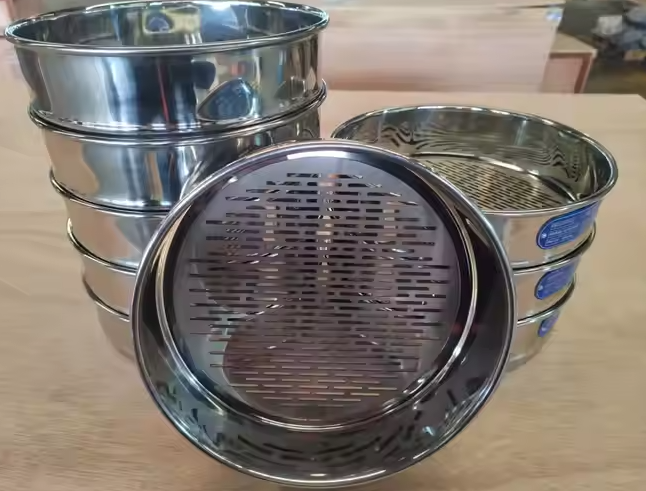
What are the sieve materials for Laboratory sieves for pharmaceutical powders?
The selection of sieve materials for Laboratory sieves for pharmaceutical powders mainly considers its corrosion resistance, wear resistance, easy cleaning, and whether it will cause contamination to the drug powder. At present, stainless steel is the commonly used material for Laboratory sieves for pharmaceutical powders. Most Laboratory sieves for pharmaceutical powders are made of 304 or 316L stainless steel. 304 stainless steel has good corrosion resistance and can resist the erosion of most non-acidic and non-alkaline powders. It has a smooth surface, is not easy to leave residual materials, and is easy to clean. Its mechanical strength can meet the vibration and impact during the sieving process. 316L stainless steel adds molybdenum to 304 stainless steel, making it more corrosion-resistant, especially in the presence of chloride ions or some special chemicals.
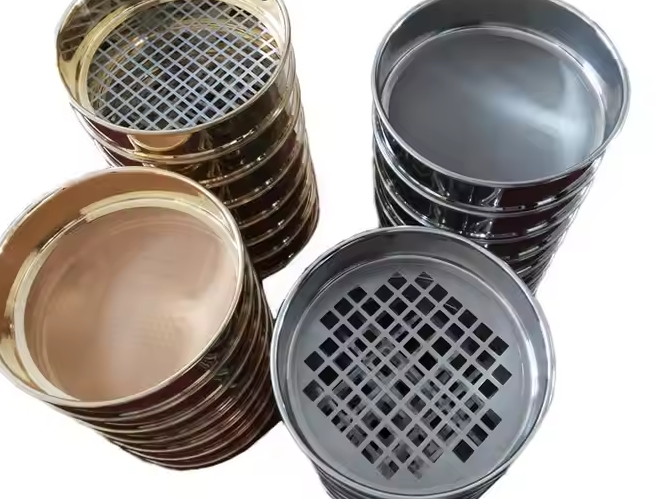
Therefore, for some special powders that are corrosive or have strict material requirements, 316L stainless steel sieves are a more suitable choice. Stainless steel sieves have high durability. In daily laboratory use, they can maintain the stability of the aperture and the integrity of the structure, reducing the impact of deformation or damage on the analysis results. At the same time, the surface of stainless steel is usually smoother after treatment, which can reduce the possibility of drug powder adhering to and clogging the sieve, thereby improving the sieving efficiency and the accuracy of the analysis.
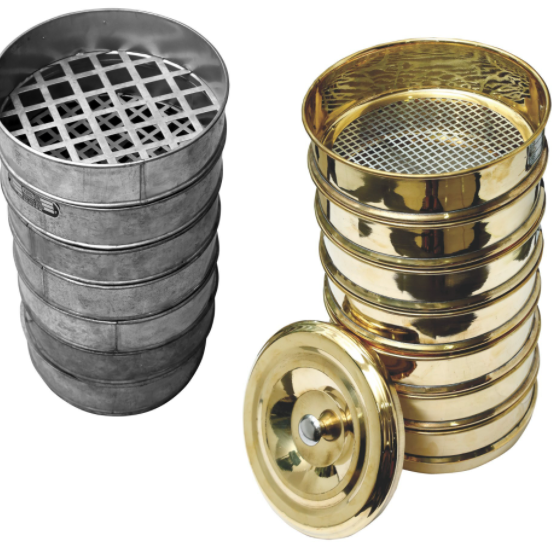
What are the uses of Laboratory sieves for pharmaceutical powders?
The core use of Laboratory sieves for pharmaceutical powders is to evaluate the particle size distribution and control the quality of various pharmaceutical powders. The equipment uses a series of sieves with different apertures and mechanical vibration to separate the drug powder particles by size, thereby determining the proportion of powders in different particle size ranges, which can help researchers optimize processes such as crushing and grinding to obtain particle sizes that meet the requirements of drug solubility, bioavailability and formulation molding. In the pharmaceutical production process, it is used to monitor the particle size of raw materials and excipients to ensure mixing uniformity, fluidity and quality stability of the final tablets or capsules. In addition, in the material acceptance link, laboratory sieves are used to detect whether the raw and excipients entering the factory meet the purchase specifications to prevent unqualified materials from entering the production line. It can also assist in evaluating the fluidity and mixing uniformity of powders, thereby optimizing the production process and improving production efficiency and product quality.
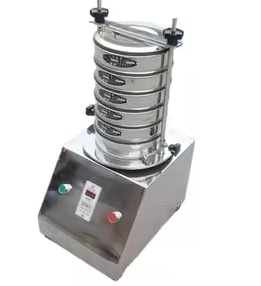
The application of Laboratory sieves for pharmaceutical powders provides a means for the pharmaceutical industry to detect powder particle size. Its operation is relatively direct, and the results are usually presented as the weight percentage of powder in each particle size range. In actual work, the control and detection of drug powder particle size is a link to ensure drug quality. Various pharmaceutical companies and R&D institutions will equip laboratory sieves of different models and specifications according to their own needs in order to meet their specific analysis requirements. Understanding and mastering the functions and usage of this equipment will help with material management and product quality testing during the drug production process.