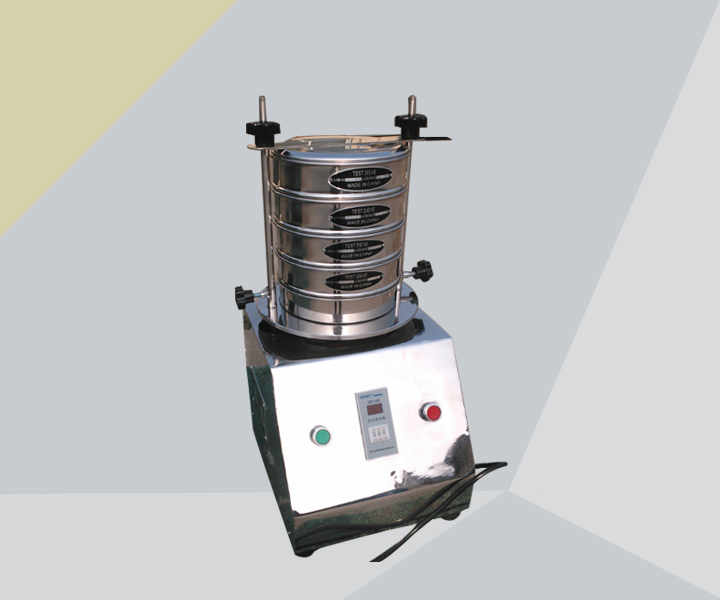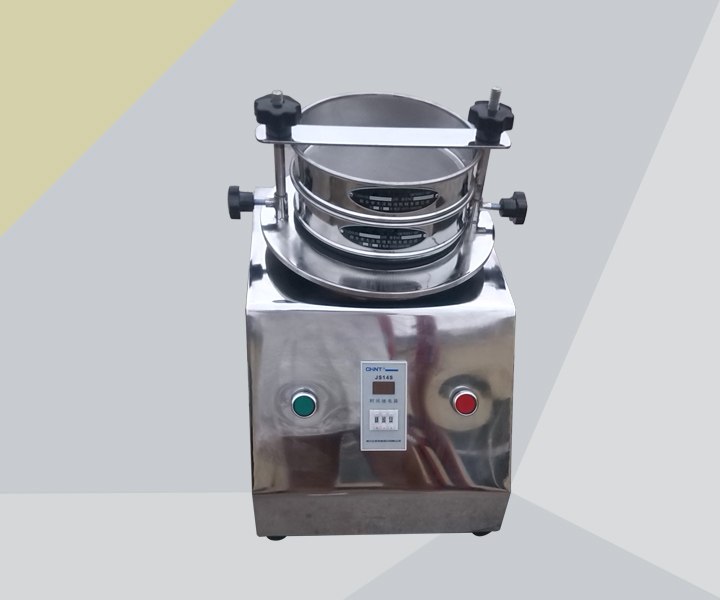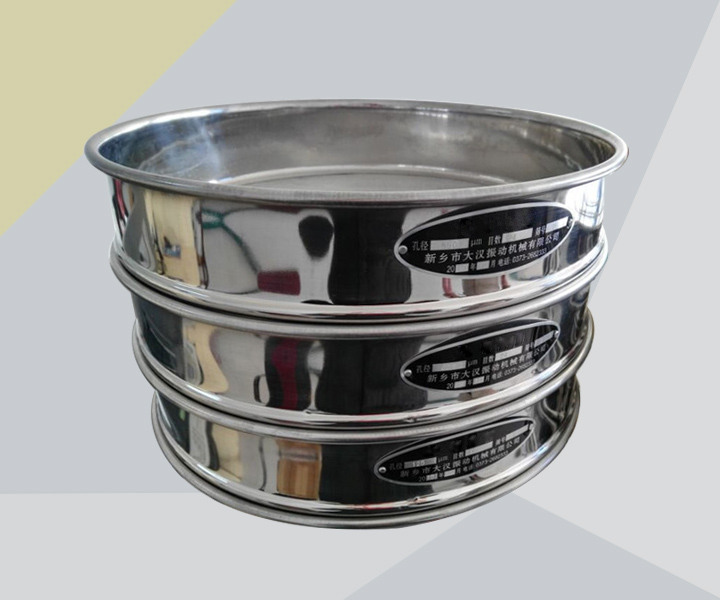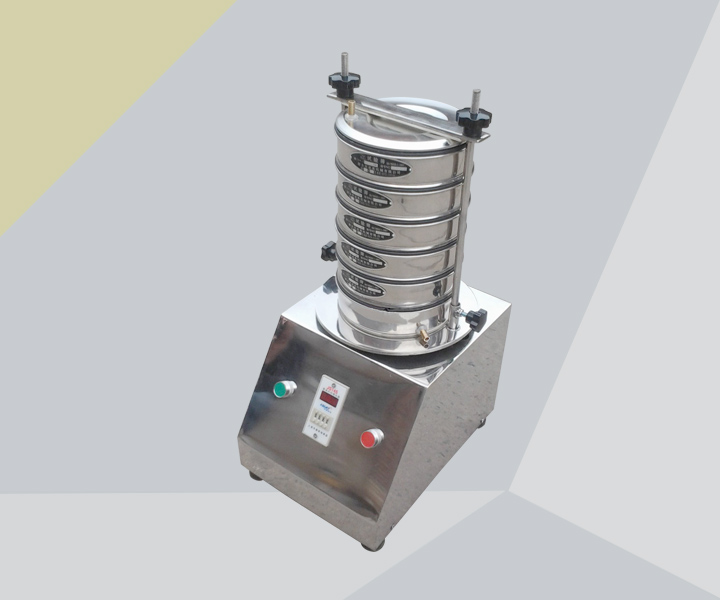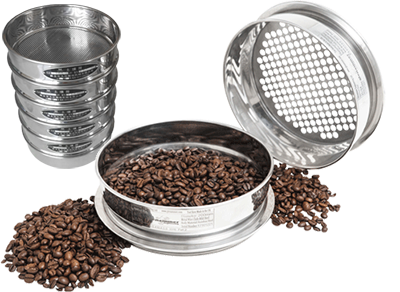
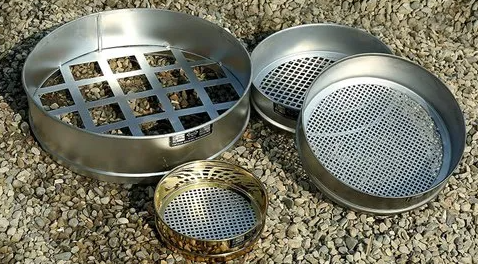
Laboratory sieves for aggregates are usually made of brass or stainless steel: brass sieves are soft and durable, suitable for general aggregate testing, but they are easy to oxidize and need to be cleaned frequently; stainless steel sieves are rust-proof and resistant to deformation, and are particularly suitable for screening wet or corrosive materials. In aggregate analysis, the commonly used sieve meshes range from 20 to 200 meshes. Among them, 20 to 60 meshes are often used for screening coarse aggregates such as sand and gravel; 80 to 120 meshes are suitable for screening medium and fine-grained materials such as limestone, quartz sand, and basalt; and sieves above 200 mesh are mainly used for fine screening of powdered materials such as calcium carbonate, talc, and heavy carbonate.
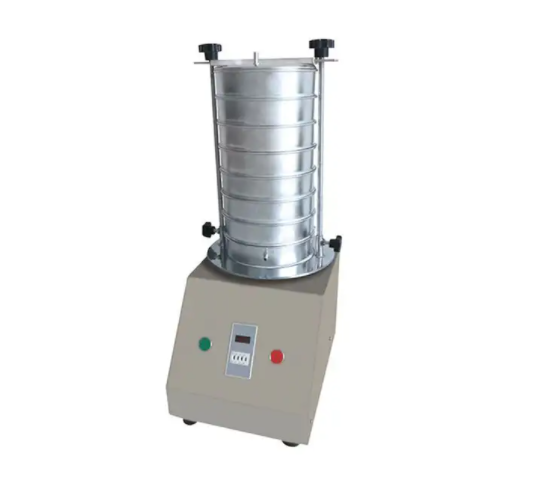
Sieving principle of Laboratory sieves for aggregates
The core working principle of laboratory sieves is to use the movement and geometric shape differences of material particles on the sieve surface for sorting. When the material enters the screening system, it will be evenly distributed to the top sieve through the feeding device. Under the action of gravity or mechanical vibration, the material will form a thin layer of particle flow on the screen surface, and collide and move relative to the screen surface.
In this process, the sieve holes will have a dual effect on the particles: particles smaller than the sieve hole size will pass through the sieve holes under the combined action of gravity, inertia and screen surface vibration to complete the screening process; while particles larger than the sieve hole will move along the screen surface and eventually reach the discharge end.
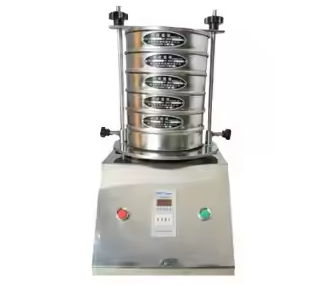
Sieve frame size of Laboratory sieves for aggregates
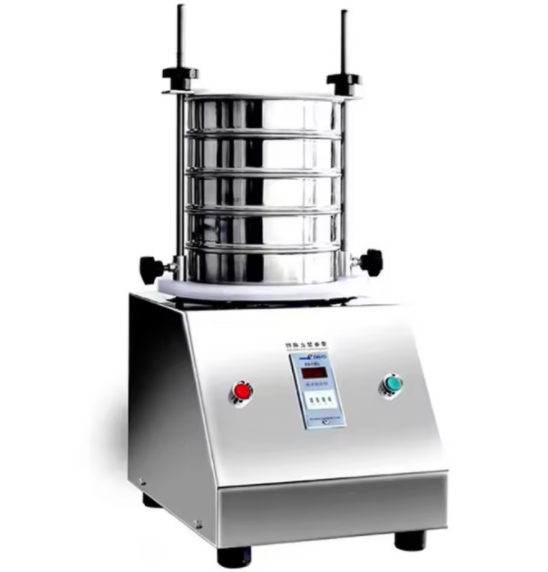
200mm diameter sieve frame: widely used in particle size analysis of fine aggregates (such as natural sand and machine-made sand). Its effective screening area can meet the technical requirements of relevant standards for sand sample screening.
300mm and 400mm diameter sieve frames: used for grading detection of coarse aggregates (such as crushed stone and pebbles). These larger sieve frames can accommodate larger particle sizes to ensure the smooth progress of the screening process.
The material selection of the sieve frame is also crucial, and both strength and corrosion resistance need to be taken into account. Metal sieve frames are usually made of stainless steel or carbon steel and are treated with rust prevention to extend their service life. The sieves are woven with copper wire or stainless steel wire, and the hole shape is strictly kept square to ensure the stability of the opening rate. For special application scenarios, such as high-temperature material screening, ceramic sieves can be used to improve the heat resistance of the equipment.
Sieving materials of Laboratory sieves for aggregates
The screening effect of laboratory sieves is significantly affected by the physical properties of the materials. For coarse aggregates, particle shape (such as needle-like content), particle size distribution and moisture content are key influencing factors. For example, when the content of needle-like particles in crushed stone is too high, it will affect the fluidity of the concrete mixture and the strength of hardened concrete. Therefore, when conducting coarse aggregate sieving tests, it is usually necessary to dry the material to constant weight to eliminate the interference of moisture content on the screening results.
For fine aggregates (such as natural sand), it is necessary to focus on indicators such as mud content and chloride ion concentration during the screening process. Excessive chloride content in sea sand will accelerate the corrosion rate of steel bars inside concrete and reduce the durability of the structure. Therefore, the cleanliness and harmful substance content of sand can be comprehensively evaluated through multi-stage screening and auxiliary means (such as methylene blue test).
In the treatment of special materials, such as the screening of recycled aggregates, it is necessary to deal with the challenges of removing attached mortar and impurities. By optimizing the conditions such as the screen surface inclination angle and vibration parameters, the screening efficiency of recycled aggregates can be effectively improved and secondary crushing of aggregates can be avoided.
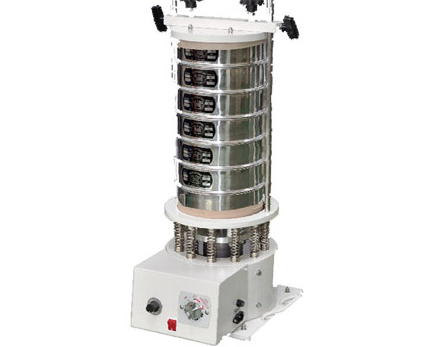
Laboratory sieves for aggregates can achieve accurate particle size classification of materials such as sand and gravel, recycled aggregates, etc. through standardized sieve frame size and sieve mesh system, providing an objective basis for material performance evaluation. The application of brass and stainless steel sieves covers a variety of needs from ordinary building materials detection to special environment screening. For example, stainless steel has a significant advantage in the detection of chloride ion content in marine engineering aggregates.